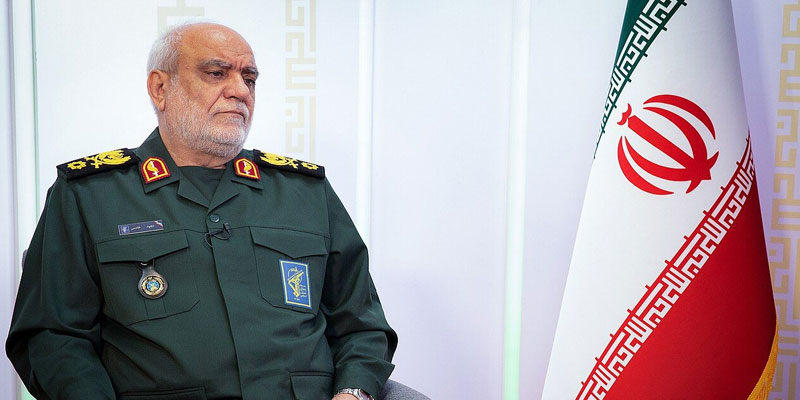
Top Iranian Spy Chief Eliminated in Major Escalation
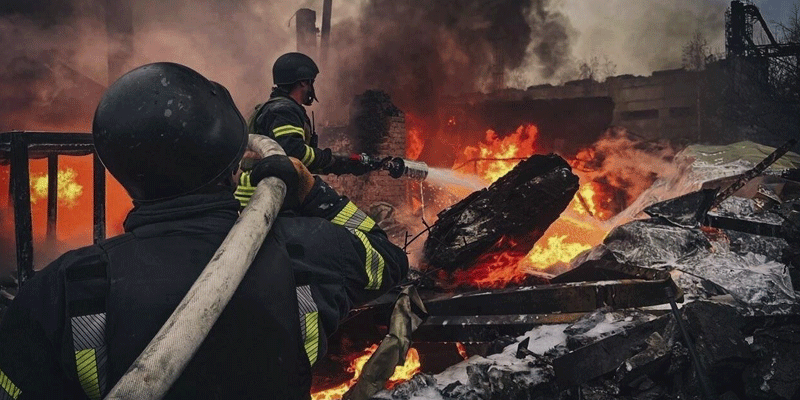
In a dramatic escalation of the ongoing West Asia conflict, Iran’s elite Islamic Revolutionary Guard Corps (IRGC) has confirmed the killing of its intelligence chief, Majid Khademi, in targeted US-Israeli airstrikes on Tehran. The strikes, carried out early Monday, hit key command and intelligence centers in the Iranian capital, marking one of the most significant blows to Iran’s security establishment in recent years.
The development comes amid already heightened tensions, with over 900 coordinated strikes reported since the conflict began, and fragile ceasefire negotiations yet to yield results.
Who Was Majid Khademi?
Majid Khademi was considered one of the most influential and shadowy figures within Iran’s military-intelligence network. A veteran of the post-1979 Islamic Revolution era, he served the IRGC for nearly five decades, steadily rising through its ranks to head its powerful intelligence wing.
Khademi played a central role in counterintelligence operations, overseeing efforts to neutralize foreign espionage from agencies such as the CIA and Mossad. He was also instrumental in managing internal security, including crackdowns on dissent, most notably during the 2022 protests following Mahsa Amini’s death.
Internationally, he was viewed as a key architect of Iran’s “shadow warfare” strategy—coordinating proxy operations through groups aligned with Iran across the region. His influence extended across intelligence gathering, covert operations, and strategic planning, making him a high-value target.
Escalating Conflict and Diplomatic Deadlock
The strike follows aggressive posturing by Donald Trump, who has issued ultimatums to Iran over reopening the Strait of Hormuz. At the same time, diplomatic channels—mediated by countries like Oman and supported by nations including India—are attempting to secure a temporary ceasefire.
However, continued military actions, including strikes on Iranian nuclear-linked facilities, have deepened mistrust and reduced the chances of immediate de-escalation.
Strategic Consequences and Global Impact
Khademi’s death represents a major disruption to Iran’s intelligence and operational capabilities. As the head of IRGC intelligence, he was central to coordinating Iran’s asymmetric warfare doctrine, including potential retaliatory actions through regional proxies.
Tehran has already vowed “severe revenge,” raising concerns about further escalation. One immediate risk is the possible closure or disruption of the Strait of Hormuz, a critical global oil transit route. Such a move could trigger a sharp spike in oil prices, potentially by 30–50%, with cascading effects on global economies.
The strike also signals a continued willingness by the US and Israel to target high-ranking officials, reminiscent of past operations like the killing of Qasem Soleimani. This raises the stakes significantly, increasing the likelihood of a broader regional conflict.
A Dangerous Turning Point
The killing of Majid Khademi marks a decisive moment in the unfolding crisis. While it delivers a tactical blow to Iran’s intelligence apparatus, it also risks provoking a far more aggressive response. With diplomacy struggling to keep pace with military escalation, the region stands on the edge of a wider conflict—one that could have far-reaching geopolitical and economic consequences.
(With agency inputs)