Punjab-Haryana Borders Sealed as Farmers March Towards Delhi
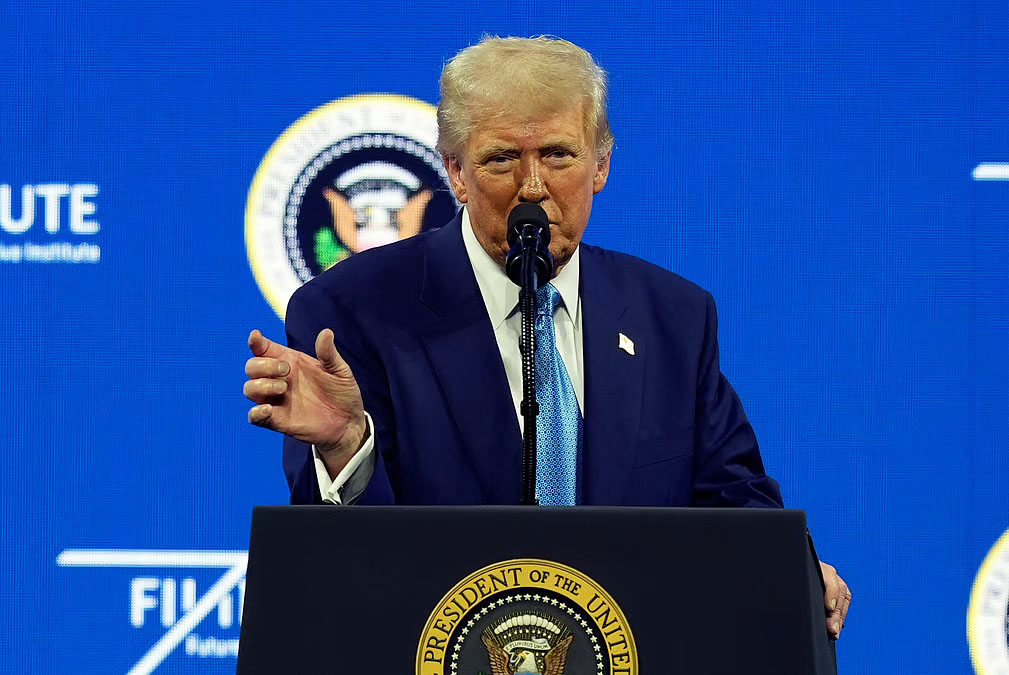
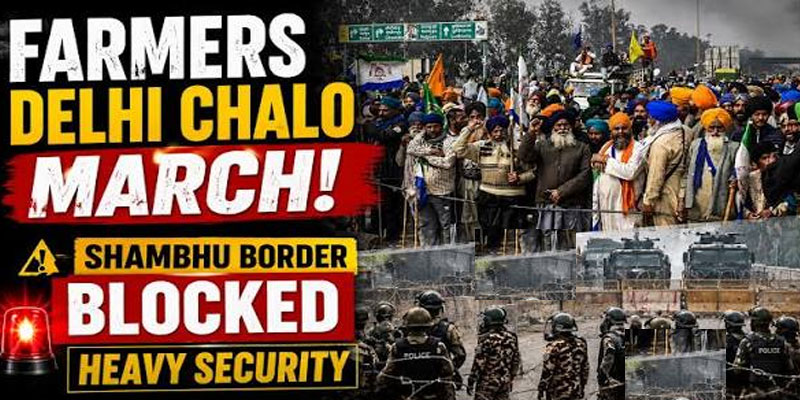
Heavy security has been deployed along the Punjab-Haryana borders as thousands of farmers attempt to march towards Delhi to protest the proposed India-US trade agreement. Barricades, concrete blocks, heavy police deployment and traffic restrictions have turned key border points into high-security zones, with authorities determined to prevent a repeat of the prolonged farmers' agitations witnessed in recent years. The protesters, however, insist that their movement is peaceful and aimed at safeguarding the interests of India's farming community.
From Farm Laws to Trade Agreement Concerns
The latest mobilisation draws its strength from the legacy of the historic 2020-21 farmers' agitation against the three farm laws and the "Delhi Chalo-2" protests of 2024. Those movements transformed Delhi's borders into symbols of farmers' resistance and established powerful networks among organisations such as the Samyukta Kisan Morcha (SKM), Kisan Mazdoor Morcha and other regional groups.
This time, the focus has shifted from domestic agricultural reforms to international trade policy. Farmer organisations fear that the proposed India-US trade agreement could expose Indian agriculture to cheaper imports, particularly dairy products, livestock goods and processed food, thereby weakening the Minimum Support Price (MSP) system, government procurement and the country's food security framework. They argue that such negotiations have proceeded without adequate consultation with farmers, increasing concerns that the interests of small and marginal cultivators may be compromised.
Farmers Gather at Shambhu Border and Kisan Ghat
On July 21, convoys of farmers from Punjab began moving towards Delhi under the banner of the "Desh Bachao Morcha" to participate in a "Kisan Mahapanchayat" at Kisan Ghat. More than a thousand farmers reportedly assembled at the strategically significant Shambhu border, raising slogans against the proposed trade pact and demanding its withdrawal.
Farmers from Haryana and several other states also planned to converge in the national capital. While organisers have described the Mahapanchayat as a peaceful four-hour gathering, they have also indicated that prolonged protests cannot be ruled out if their concerns remain unaddressed.
Security Clampdown Reflects Official Concerns
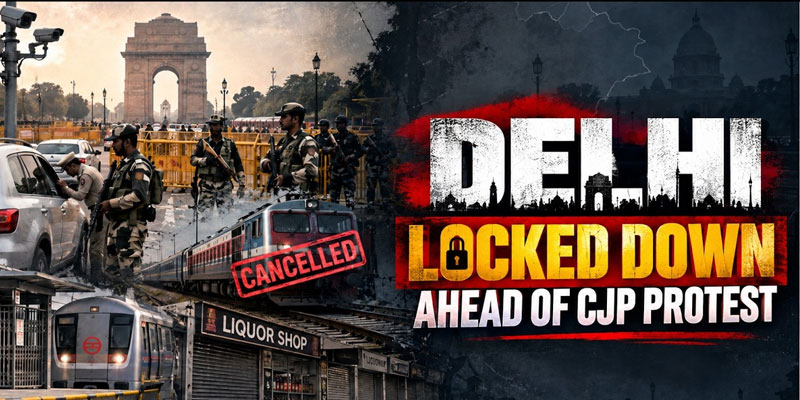
Anticipating large-scale mobilisation, Haryana Police sealed portions of the Shambhu border with multi-layered barricades, cement blocks and extensive security deployment. Access along stretches of the National Highway has been restricted, closely resembling the security measures adopted during the 2024 Delhi Chalo agitation.
Farmer leaders, including Sarwan Singh Pandher, have criticised the restrictions, arguing that peaceful protesters are being prevented from exercising their democratic right to assemble. Delhi Police have simultaneously strengthened security at Kisan Ghat and other traditional protest sites while issuing traffic advisories to minimise disruptions in the capital.
Why the Proposed Trade Deal Is Facing Resistance
Farmer organisations contend that greater access for American agricultural products could increase competition for Indian producers, particularly in sensitive sectors such as dairy and livestock. They fear that liberalised imports may reduce farm incomes, weaken procurement mechanisms and adversely affect millions of rural household’s dependent on agriculture.
The Centre, however, views trade negotiations as part of India's broader strategy to expand economic cooperation with major global partners, improve market access and strengthen long-term economic growth. The absence of publicly available details about the agreement has further fuelled speculation and mistrust among farmer groups.
Trade Policy, Farmer Politics and Securitisation
· Trade policy and trust deficit: Farmers' concerns stem less from the final provisions of the proposed agreement than from the perceived lack of transparency and consultation during negotiations, deepening distrust between rural communities and policymakers.
· Farmer politics remains a powerful force: The renewed mobilisation demonstrates that agrarian organisations retain the ability to rapidly organise large-scale protests around issues extending beyond farm laws to broader economic and trade policies.
· Securitisation as the state's preferred response: The swift deployment of barricades, police personnel and traffic restrictions highlight an administrative approach that increasingly prioritises preventing large-scale mobilisation rather than engaging with protesters before tensions escalate.
Will Dialogue Prevent Another Prolonged Standoff?
The latest farmer mobilisation underscores that questions surrounding agricultural livelihoods remain politically and economically sensitive. While the government seeks to maintain public order and advance its trade agenda, farmers are demanding greater transparency and stronger safeguards before any agreement is finalised. Whether this protest develops into another prolonged border standoff will depend on two crucial factors: the Centre's willingness to clarify and, if necessary, revisit provisions of the proposed India-US trade deal, and the readiness of farmer organisations to escalate their agitation if they believe their concerns continue to be ignored.
(With agency inputs)