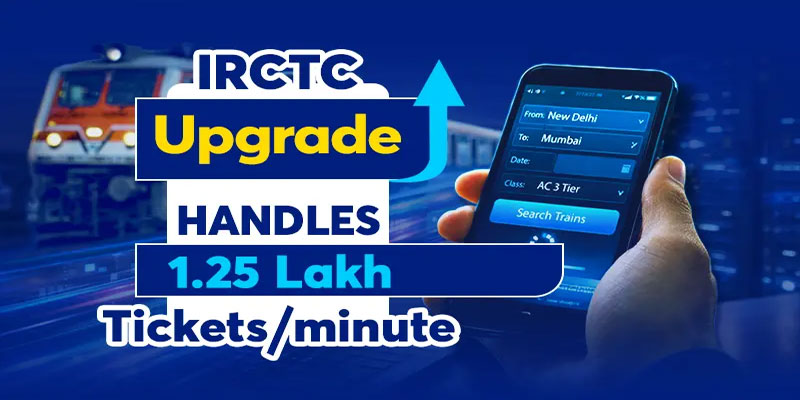
The Indian Railway Catering and Tourism Corporation (IRCTC) is preparing to launch the beta version of its redesigned website, marking a significant step towards making online train ticket booking faster, simpler and more reliable. The revamped platform is expected to offer a cleaner interface, easier navigation, improved seat availability display and a more seamless booking process. Backed by integration with Indian Railways' Passenger Reservation System (PRS), the initiative is aimed not merely at improving the website's appearance but at modernising the country's most extensively used public transport booking platform.
Modernising a Critical Digital Service
IRCTC occupies a central position in India's railway ecosystem, facilitating millions of ticket bookings every day. As the primary online gateway for rail reservations, the platform has become indispensable for passengers travelling across the country. However, despite its importance, the website has often faced criticism for slow performance, complicated navigation and technical glitches, particularly during Tatkal bookings and festive travel seasons when demand surges dramatically.
Over the years, passengers have frequently experienced server congestion, failed transactions, repeated captcha verification and delays in accessing seat availability. Such issues have not only caused inconvenience but have also affected public confidence in one of the country's most essential digital public services.
Recognising these challenges, IRCTC has undertaken a comprehensive technological overhaul aimed at improving both the user interface and the supporting backend infrastructure.
What the New Beta Platform Offers
The upcoming beta website introduces several features designed to make ticket booking more user-friendly. The interface has been simplified to reduce unnecessary steps, allowing passengers to complete reservations more efficiently. Seat availability is expected to be displayed in a clearer format, enabling users to make quicker travel decisions.
The new platform also facilitates easier repeat bookings, minimises captcha-related interruptions and streamlines navigation across various booking options. More importantly, the integration with the Passenger Reservation System indicates that the improvements extend beyond cosmetic redesign to include backend optimisation capable of handling higher booking volumes with greater stability.
The beta launch will also allow IRCTC to gather user feedback before rolling out the upgraded platform nationwide, ensuring that operational issues can be identified and addressed early.
Why the Upgrade Matters
The significance of this modernisation extends well beyond convenience. Every day, millions of Indians—including students, migrant workers, senior citizens, business travellers and families—depend on IRCTC for affordable transportation. A smoother booking experience can substantially reduce failed transactions, minimise waiting time and improve overall accessibility.
An efficient digital platform also strengthens public trust in government-operated online services. By simplifying the booking process, the upgraded website can make railway reservations easier not only for digitally experienced users but also for first-time internet users and passengers from smaller towns and rural areas.
Furthermore, improved backend efficiency can enhance operational reliability during peak booking periods, reducing congestion and ensuring more equitable access to railway tickets.
Building Confidence Through Better Digital Governance
The launch of IRCTC's new beta platform represents an important milestone in India's ongoing digital governance journey. As railway services continue to serve millions of passengers daily, a robust, efficient and user-friendly booking system becomes essential for improving public service delivery. While the success of the initiative will ultimately depend on its real-world performance under heavy demand, the modernisation effort demonstrates a clear commitment to enhancing user experience through technology. If implemented effectively, the upgraded platform could significantly strengthen public confidence in one of India's most vital digital infrastructures while setting new benchmarks for citizen-centric e-governance.
(With agency inputs)