India–US Landmark Trade Deal Unlocks $30T Market
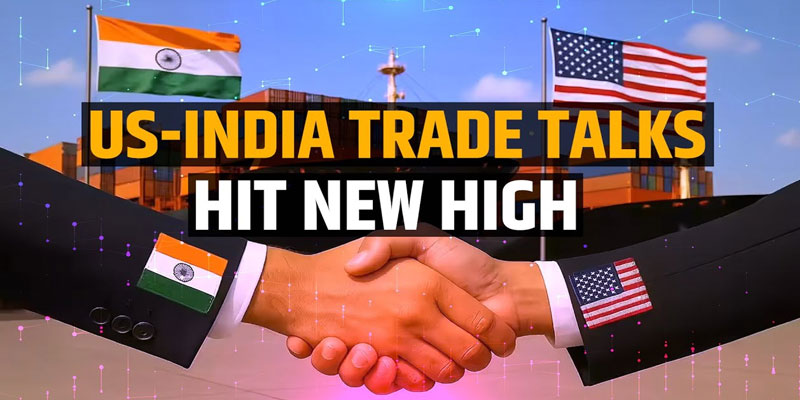
A newly concluded bilateral trade agreement between India and the United States marks a turning point in economic ties, offering Indian exporters preferential access to the world’s largest consumer economy. The February 2026 pact is projected to significantly expand India’s $86 billion annual exports to the US by easing tariffs, improving market access, and strengthening cooperation in digital and advanced technology sectors.
Scope and Strategic Context
The agreement represents one of the most consequential commercial arrangements between the two countries in recent years. It addresses longstanding tariff disputes, aligns supply-chain priorities, and deepens cooperation in high-technology industries. Indian officials frame the deal as a boost for small manufacturers, farmers, and exporters, while also balancing strategic commitments such as increased US energy and technology imports. With the US economy valued at roughly $30 trillion, improved access is expected to accelerate export growth and reinforce India’s position in global supply chains.
Massive Tariff Relief for Indian Exports
A central feature of the agreement is the steep reduction of US reciprocal tariffs on Indian goods. Duties on a large portion of Indian exports—previously reaching as high as 50 percent—are being lowered significantly, with some categories moving to zero-duty status. This applies to tens of billions of dollars’ worth of shipments, ranging from industrial inputs to consumer goods.
The scale of the reductions gives Indian exporters a pricing advantage over competitors facing higher US tariffs, including major manufacturing hubs in Asia. By narrowing or eliminating tariff gaps, the pact is expected to enhance competitiveness and drive export expansion in the near term. Policymakers anticipate a double-digit growth trajectory in shipments to the US, particularly in sectors where price sensitivity and market share are closely tied to tariff levels.
Sector-Wise Gains
· Textiles, Leather and Footwear: Lower duties on labour-intensive products are likely to benefit small and medium enterprises, which form the backbone of these industries. Improved access to US retail markets could lift shipments of apparel, home textiles, and leather goods.
· Gems and Jewellery: Tariff reductions on polished diamonds and jewellery are expected to improve margins and help Indian exporters compete more effectively against global rivals.
· Agriculture and Fisheries: Relief on seafood exports and calibrated openings for select agricultural imports aim to balance farmer protection with expanded trade. Exporters of marine products stand to gain from reduced barriers in the US market.
· Pharmaceuticals and Machinery: Zero-duty access for generic medicines and selected engineering goods could strengthen India’s foothold in US healthcare and manufacturing supply chains, supporting higher-value exports.
Digital Trade Framework
The agreement also addresses digital commerce and services. Provisions easing data-flow restrictions, protecting intellectual property such as source code, and simplifying cross-border e-commerce are expected to support India’s large IT and digital-services sector. With digital exports already substantial, clearer rules and reduced barriers could unlock additional growth and align both countries with broader Indo-Pacific economic frameworks.
Semiconductors and Technology Cooperation
Beyond trade in goods, the pact underscores collaboration in critical technologies. Duty-free access to certain minerals, joint research initiatives, and faster approvals for semiconductor and aerospace projects form part of the framework. Investments in chip manufacturing and defence-related technology cooperation signal a broader push to build resilient supply chains and reduce reliance on dominant global suppliers.
Toward a Deeper Economic Partnership and Supply-Chain Realignment
Overall, the agreement blends tariff relief with strategic cooperation, positioning India to expand exports while deepening technology partnerships with the United States. While challenges such as global trade tensions and regulatory scrutiny remain, the deal marks a significant step toward a more integrated economic relationship and a stronger role for India in global commerce.
(With agency inputs)