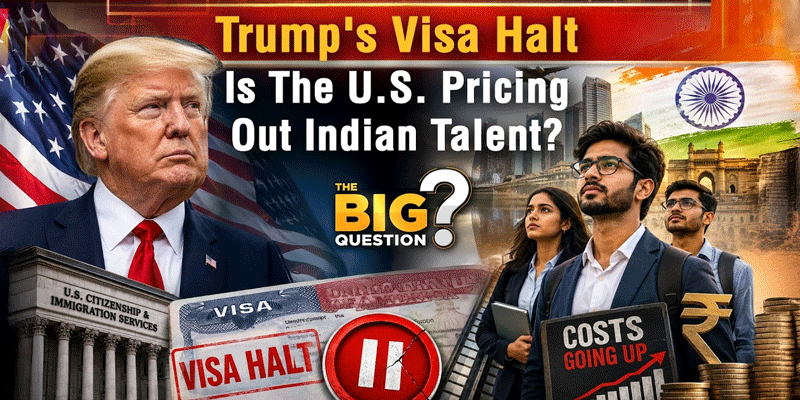
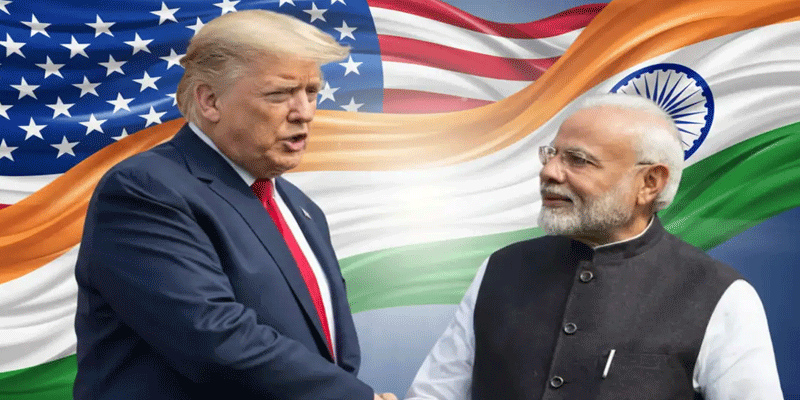
Trade, oil, and diplomacy have converged once again at the center of India’s foreign policy. U.S. President Donald Trump’s imposition of steep tariffs — 50% on Indian goods and an additional 25% specifically targeting India’s imports of Russian oil — was designed to pressure New Delhi into curtailing its energy ties with Moscow. Yet, India has chosen pragmatism over submission, reinforcing its historic partnership with Russia. Against this backdrop, External Affairs Minister S. Jaishankar’s recent visit to Moscow underscores New Delhi’s determination to safeguard national interests while managing global headwinds.
The Tariff Shock and India’s Defiance
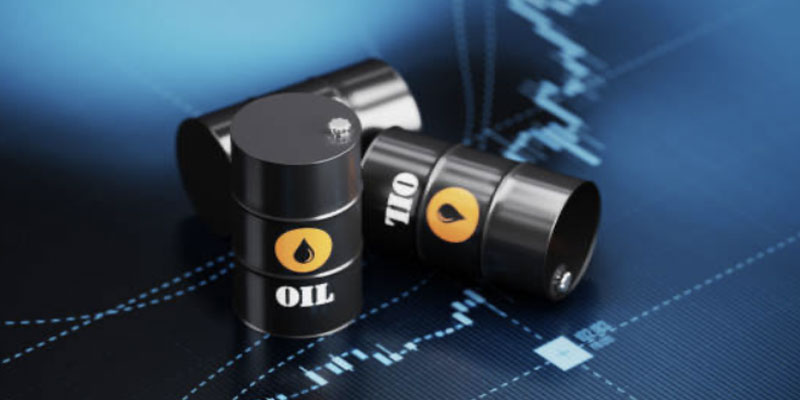
Trump’s tariffs aimed to create economic pain that might dissuade India from buying Russian crude, which has grown into a key pillar of India’s energy security. Washington argues that such purchases indirectly fund Moscow’s war effort in Ukraine, but New Delhi has consistently emphasized that its decisions are driven by strategic autonomy and domestic needs. Instead of bowing to pressure, India has diversified its energy imports, now sourcing nearly 35% of its crude oil from Russia — up from just 1% before the Ukraine conflict.
This defiance sets the stage for Jaishankar’s Moscow mission, which focuses not only on sustaining energy flows but also on recalibrating the wider economic relationship.
Addressing the Trade Imbalance
During his engagement at the India-Russia Inter-Governmental Commission on Trade, Economic, Scientific, Technological and Cultural Cooperation (IRIGC-TEC), Jaishankar flagged a critical issue: the widening trade imbalance. Bilateral trade has soared from $13 billion in 2021 to $68 billion in 2024–25. Yet, India’s imports — dominated by energy and raw materials — vastly outstrip its exports, creating an imbalance of nearly $59 billion.
Jaishankar stressed that solutions lie in leveraging the complementary strengths of both economies. While Russia provides stable energy and resource supplies, India’s fast-growing market, infrastructure development, and manufacturing initiatives open vast opportunities for Russian businesses. From fertilizers and chemicals to machinery and urban infrastructure, the minister invited Russian firms to deepen engagement with Indian counterparts. The “Make in India” initiative, coupled with India’s $4 trillion GDP and projected 7% growth trajectory, presents fertile ground for partnerships that can help correct the imbalance.
Reviving the EAEU Trade Talks
A crucial dimension of Jaishankar’s visit was the push to restart talks on a trade agreement with the Russia-led Eurasian Economic Union (EAEU), which also includes Armenia, Belarus, Kazakhstan, and Kyrgyzstan. Negotiations stalled after the outbreak of the Ukraine war, but both sides have now finalized terms of reference for renewed discussions.
For India, an early conclusion of the EAEU deal is vital. It would unlock wider market access, expand trade beyond hydrocarbons, and integrate India more deeply into Eurasian supply chains. The EAEU bloc accounted for $69 billion in trade with India in 2024 — a 7% increase from the previous year. By institutionalizing economic cooperation, New Delhi aims to secure both stability and diversification in its trade footprint.
Energy at the Core
Despite U.S. restrictions, Russia remains a cornerstone of India’s energy security strategy. Russian officials, including First Deputy Prime Minister Denis Manturov, have assured India that oil, petroleum products, and coal shipments will continue. Russia is also eyeing opportunities to expand LNG exports to meet India’s growing energy demand.
This continuity is central for New Delhi. With its rising population and industrial base, India requires assured supplies at affordable rates. Russian oil provides precisely that, helping India manage inflationary pressures and fuel its growth. For Moscow, India represents a reliable market at a time when Western sanctions have severely curtailed its traditional buyers.
A Time-Tested Friendship
Jaishankar’s Moscow visit reflects the resilience of India-Russia ties, which have endured across decades and global shifts. From Soviet mediation during the 1965 India-Pakistan war to Russia’s role as a dependable arms supplier, the relationship has been marked by mutual support. Even during the ongoing Russia-Ukraine conflict, India has maintained a careful neutrality, refusing to vote against Moscow at the United Nations while continuing to engage with both Russia and the West.
Defense remains a pillar of this bond. According to SIPRI, 36% of India’s weapons imports still come from Russia. Beyond defense, major connectivity projects such as the Chennai-Vladivostok maritime corridor and the International North-South Transport Corridor aim to expand logistical linkages, boosting trade and strategic mobility.
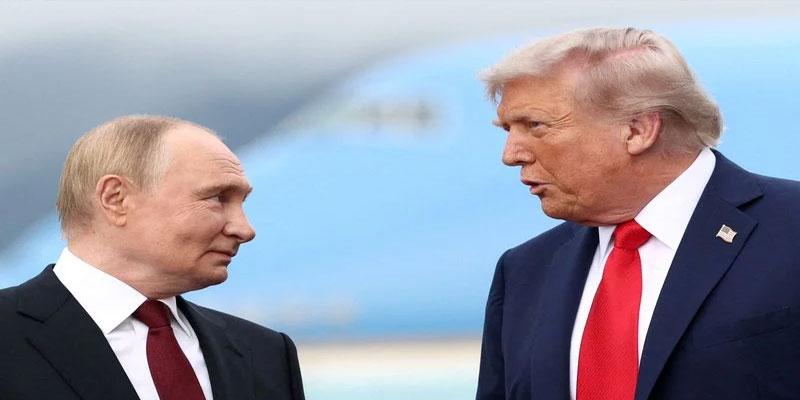
India’s pragmatic stance was highlighted by Prime Minister Narendra Modi’s meeting with President Vladimir Putin last year. The expectation of Putin’s visit to India later this year further reinforces the depth of this partnership — even as Moscow faces international isolation.
Navigating Between Washington and Moscow
India’s balancing act is not without challenges. Washington remains an important partner for New Delhi, particularly in technology, defense, and countering China’s rise in the Indo-Pacific. At the same time, energy security and legacy defense ties bind India closely to Russia. Trump’s tariffs add another layer of complexity, attempting to coerce India into recalibrating its Moscow ties.
Yet, New Delhi’s approach has been consistent: strategic autonomy above all. India will not allow itself to be cornered into choosing sides but will instead pursue its national interest with pragmatism and resilience.
Jaishankar’s Moscow visit highlights India’s determination to balance competing pressures while deepening ties with a trusted partner. Trump’s tariff gambit may have been designed to isolate Russia, but India views energy flows and trade with Moscow as indispensable to its economic stability and strategic autonomy.
The challenge ahead lies in correcting trade imbalances, expanding exports, and securing a sustainable framework for cooperation through initiatives like the EAEU deal. As India and Russia aim to lift bilateral trade to $100 billion by the decade’s end, their enduring partnership seems poised not only to survive external pressures but to evolve further.
For New Delhi, the path forward will remain one of cautious pragmatism — nurturing old friendships while forging new ones, all in service of its national interest.
(With agency inputs)