Iran has unveiled a sweeping 14-point proposal aimed at ending its prolonged conflict with the United States, offering a framework that combines economic relief, military de-escalation, and regional security guarantees. While the move signals Tehran’s willingness to negotiate, the response from Donald Trump has been cautious and sceptical, raising questions about whether this ambitious plan can translate into a workable peace agreement.
What the 14-Point Plan Proposes
Iran’s proposal is designed as a comprehensive roadmap to end hostilities within a 30-day window, moving beyond temporary ceasefires toward a permanent resolution. At its core, the plan demands the lifting of US-imposed economic sanctions, the release of frozen Iranian assets, and the dismantling of the US-led naval blockade.
A critical component involves the Strait of Hormuz, one of the world’s most vital oil transit routes. Iran seeks a new regional security framework for the strait, which would likely require a reduction—or complete withdrawal—of US military presence in surrounding waters. Additionally, Tehran is asking for firm guarantees that Washington will refrain from future military actions.
These demands reflect Iran’s dual objective: immediate economic recovery and long-term strategic security. However, they also directly challenge the primary levers of US influence in the region.
Trump’s Response: Cautious and Critical
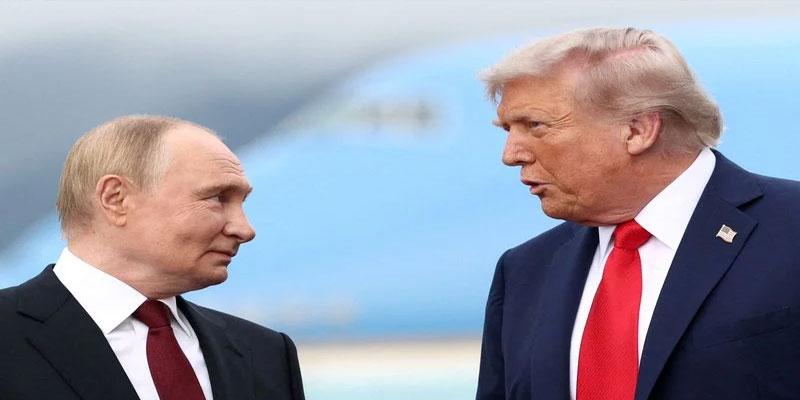
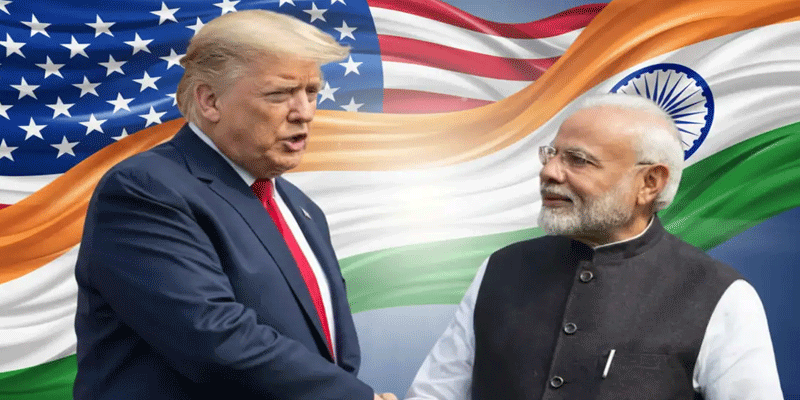
Despite formally reviewing the proposal, Trump has signalled clear reservations. Public statements suggest he believes Iran has not yet made sufficient concessions to justify the scale of relief it is seeking. His administration has maintained a firm stance on ensuring that any agreement includes strict, verifiable limits on Iran’s nuclear and missile programmes.
This divergence highlights a fundamental gap: Iran prioritizes sanctions relief and security guarantees, while the US insists on addressing nuclear compliance and regional behaviour first. Trump’s characterization of the plan as “unacceptable” in its current form indicates that Washington is likely to push for significant revisions.
At the same time, the continued military posturing by the US underscores a strategy of maintaining pressure while keeping diplomatic options open—a hallmark of Trump’s approach to high-stakes negotiations.
Background: A Conflict Rooted in Mistrust
The tensions between Iran and the United States have deep historical roots, shaped by decades of geopolitical rivalry, economic sanctions, and disputes over nuclear development. The collapse of earlier agreements and escalating regional conflicts have only intensified mistrust on both sides.
Iran’s latest proposal can be seen as a response to an earlier US framework, but also as an attempt to shift the narrative from confrontation to negotiation. However, the inclusion of demands such as troop withdrawal and sweeping sanctions relief reflects Tehran’s insistence on addressing what it sees as the root causes of the conflict.
For Washington, these demands risk undermining its strategic position in the Middle East, particularly in safeguarding allies and ensuring the security of global energy routes.
Negotiation, Not Resolution—Yet
Most analysts view the 14-point plan not as a final deal, but as a starting point for renewed negotiations. A prospective compromise could involve phased sanctions relief tied to incremental compliance by Iran on nuclear commitments, alongside limited adjustments in US military deployment rather than a full withdrawal.
The key sticking points—nuclear oversight and control of the Strait of Hormuz—are unlikely to be resolved quickly. Both sides have strong incentives to avoid escalation, yet neither appears ready to concede on core strategic interests.
A Fragile Opening for Diplomacy
Iran’s 14-point peace plan represents a significant diplomatic overture, but its success depends on bridging deep divides in priorities and trust. Trump’s scepticism suggests that any agreement will require extensive negotiation and compromise.
While the proposal keeps diplomatic channels alive, it also highlights the tough path to peace. Whether this initiative evolves into a breakthrough or remains another missed opportunity will depend on both sides’ willingness to move beyond entrenched positions and engage in pragmatic dialogue.
(With agency inputs)