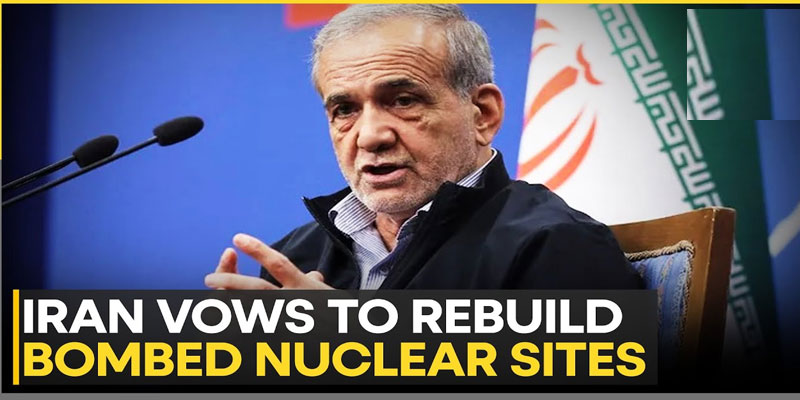
Tehran’s Defiance: Pezeshkian Announces Nuclear Rebuild
Iran’s President Masoud Pezeshkian has vowed to rebuild the country’s nuclear facilities “with greater strength”, signaling a bold new phase in Tehran’s standoff with Washington.
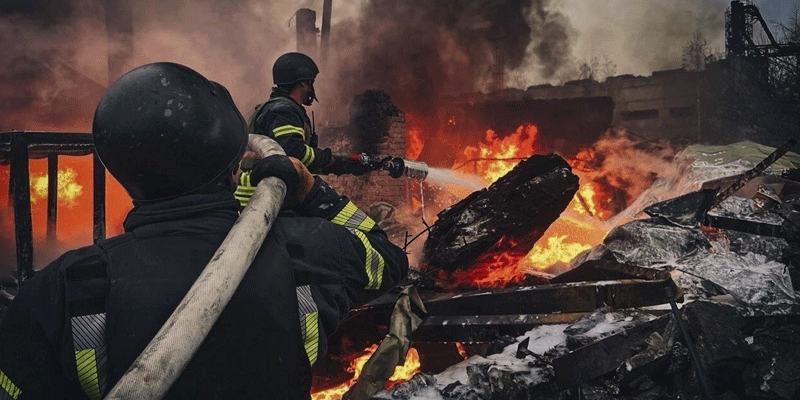
The declaration comes months after the United States bombed several of Iran’s key nuclear sites in June 2025 during Operation Midnight Hammer, a coordinated military strike that left facilities in Fordow, Natanz, and Isfahan severely damaged.
Speaking during a visit to the Atomic Energy Organization of Iran in Tehran, Pezeshkian emphasized that Iran’s nuclear program would not be derailed by destruction or sanctions. “Destroying our buildings and laboratories will not stop us,” he said, pledging to rebuild “stronger and more advanced” facilities in defiance of mounting international pressure.
The Fallout from Operation Midnight Hammer
The June 2025 airstrikes marked one of the most direct U.S. military actions against Iran in recent years. B-2 stealth bombers reportedly dropped bunker-buster munitions on fortified underground facilities believed to house uranium enrichment programs.
The United States and Israel justified the strikes by claiming Iran had resumed clandestine weapons development in violation of global non-proliferation norms.
Iran, however, categorically denies pursuing nuclear weapons, maintaining that its program is intended for peaceful purposes, including energy generation and medical research. Pezeshkian reaffirmed this stance, saying the program “serves the Iranian people’s health, energy, and scientific needs—not military ambitions.”
From Diplomacy to Destruction: The Collapse of the JCPOA
The current tensions trace back to the unraveling of the 2015 Joint Comprehensive Plan of Action (JCPOA), widely known as the Iran nuclear deal.
The agreement, designed to restrict Iran’s nuclear activities in exchange for sanctions relief, collapsed after the U.S. withdrawal in 2018 and subsequent accusations of non-compliance on both sides.
In the years that followed, Iran resumed uranium enrichment beyond JCPOA limits, installed advanced centrifuges, and limited access for international inspectors. These developments triggered a new cycle of sanctions, threats, and military posturing, culminating in the June strikes.
The destruction of key sites was meant to cripple Iran’s nuclear capacity—but it appears to have had the opposite effect, galvanizing Tehran’s resolve and reinforcing its narrative of resistance against Western aggression.
Dueling Narratives: Security vs. Sovereignty
The escalating confrontation highlights two irreconcilable worldviews.
For Washington and its allies, preventing Iran from obtaining nuclear weapons is viewed as a regional security necessity, essential to contain threats to Israel, Gulf allies, and global energy routes.
For Tehran, nuclear technology represents sovereignty, scientific progress, and self-reliance—a national right under the Non-Proliferation Treaty (NPT) and a necessity for a nation facing crippling sanctions and chronic energy shortages.
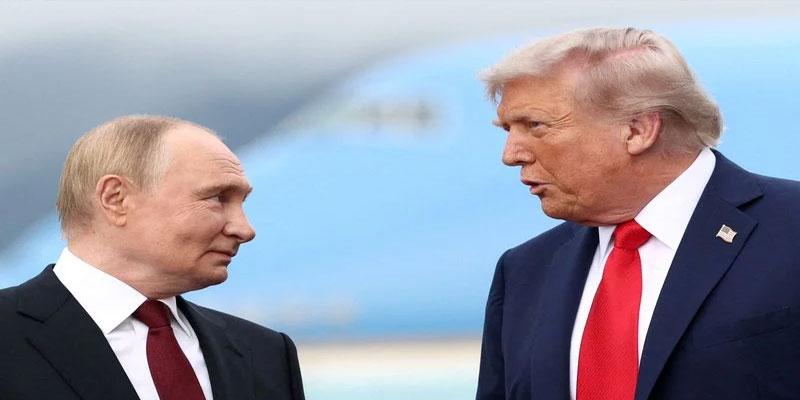
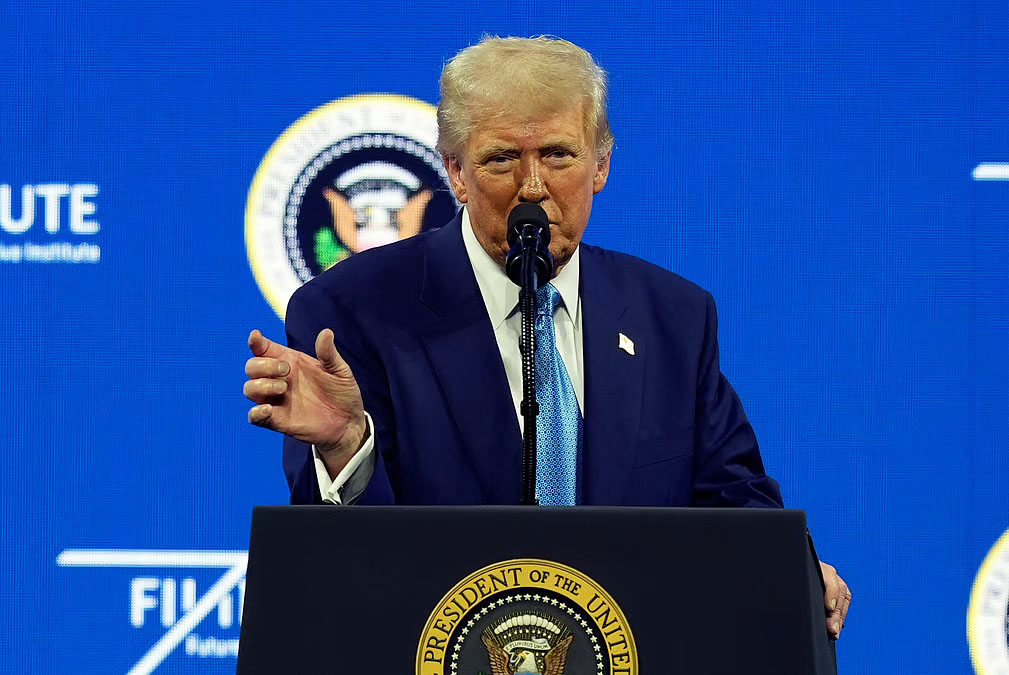
President Donald Trump’s renewed threats to launch fresh strikes if Iran restarts its facilities have further strained the already fragile diplomatic landscape, raising fears of another military escalation in the Middle East.
A Precarious Standoff in a Volatile Region
Iran’s pledge to rebuild its nuclear facilities “with greater strength” is more than a technical ambition—it is a symbolic defiance of U.S. power and a statement of national resilience.
Yet, it also sharpens the risk of renewed confrontation, as Washington warns of further military responses and global powers struggle to revive diplomatic engagement.
The June bombings and Pezeshkian’s fiery response reveal a deepening cycle of provocation and retaliation, leaving the prospects of a negotiated solution increasingly remote.
As Iran moves forward and the United States doubles down, the Middle East once again stands on the brink—caught between the pursuit of sovereignty and the perils of escalation.
(With agency inputs)