Tehran Sets Terms as War Intensifies
As the conflict in the Middle East enters its third week, Masoud Pezeshkian has issued a stark ultimatum for ending hostilities with the United States and Israel. In a public statement posted on March 11, the Iranian leader said Tehran would only consider halting the war if three core conditions are met: recognition of Iran’s “legitimate rights,” financial reparations for wartime damage, and binding international guarantees preventing future attacks.
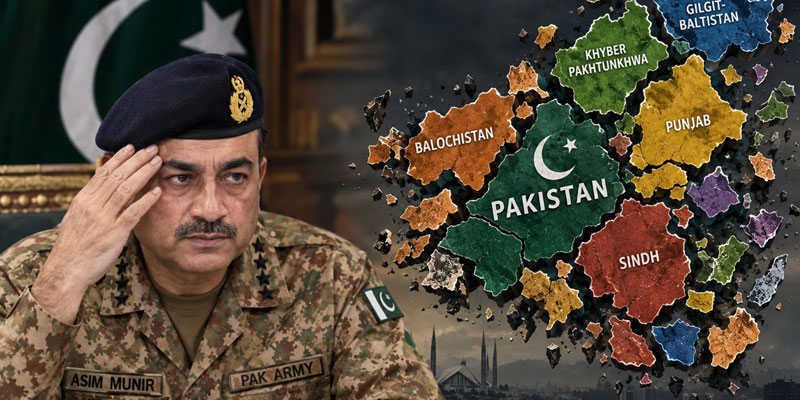
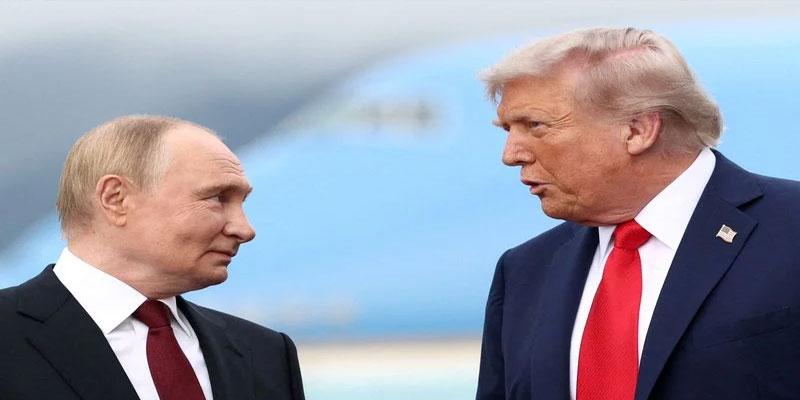
Pezeshkian blamed the conflict on what he called aggression by Israel and Washington, asserting that Iran would not accept a ceasefire without political and legal assurances. The war—now in its 13th day—has triggered diplomatic outreach by Tehran to partners including Russia and Pakistan, as the government seeks broader international backing for its demands.
Conflict Background: From Truce to Escalation
The present war evolved from earlier tensions and intermittent clashes following a fragile truce in 2025. Hostilities escalated after a series of strikes and counterstrikes involving Iran, Israel, and the United States, including targeted operations against military leadership and strategic infrastructure.
Iranian reports say the conflict intensified following the death of Supreme Leader Ali Khamenei, after which his son Mojtaba Khamenei emerged as a key power figure. The leadership transition coincided with renewed missile barrages and strikes across the region, including attacks on energy facilities and military positions.
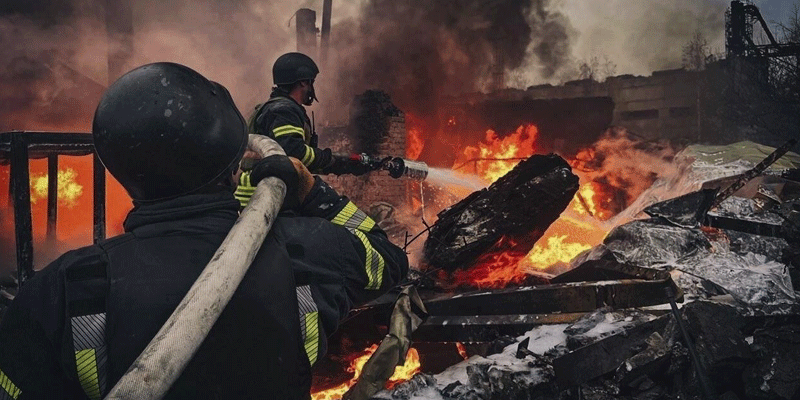
Iranian authorities report more than 1,200 deaths and over 10,000 injuries so far, with many casualties reportedly civilians. Infrastructure damage, including oil facilities and medical centers, has compounded the humanitarian toll.
Humanitarian Fallout Across the Region
The war’s impact has spread beyond Iran and Israel into the broader Middle East. According to the United Nations, at least 1,100 children have been killed or injured across the conflict zone. Agencies such as UNICEF have condemned attacks on civilian infrastructure, reporting damage to schools and hospitals in several locations.
In addition to the direct casualties, the conflict has disrupted oil markets and trade routes, raising global energy prices. Regional groups, including Hezbollah, have become increasingly involved, raising fears of a wider regional war.
What are Israel’s Demands in the War?
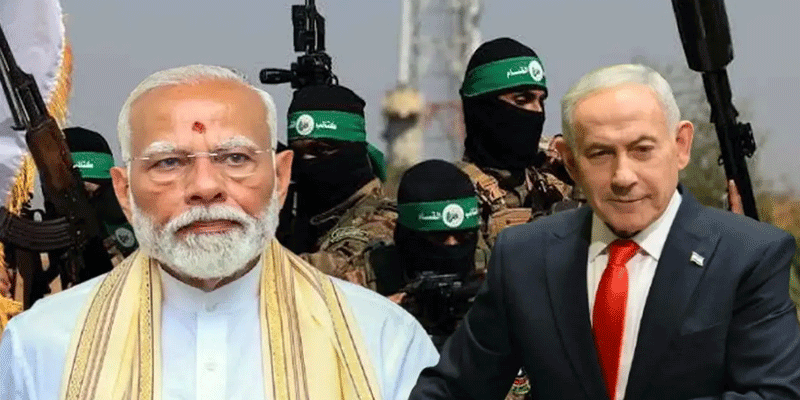
While Iran has outlined its peace conditions, Israel’s position remains uncompromising. Israeli leadership, led by Benjamin Netanyahu, insists that any ceasefire must include the dismantling of Iran’s nuclear program.
Israel demands a complete halt to uranium enrichment, the removal of enriched nuclear material from Iranian territory, and strict oversight by the International Atomic Energy Agency through intrusive inspections. Jerusalem also wants limits on Iran’s ballistic missile program—specifically restricting missile ranges to under 300 kilometers.
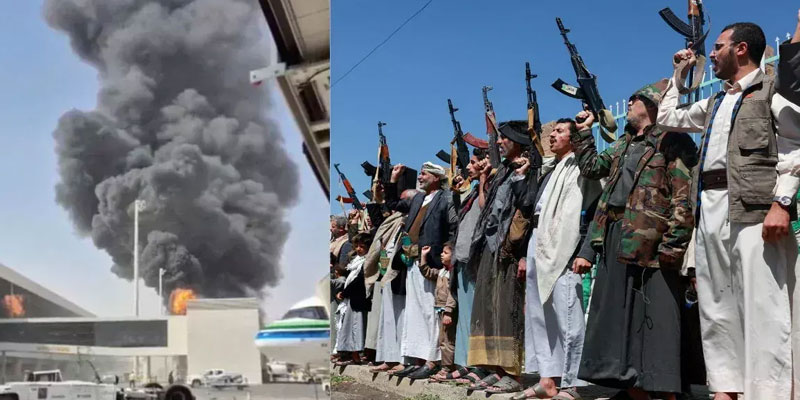
Another key demand is the cessation of Iranian support for armed regional groups such as Hezbollah, Hamas, and the Houthis. Israeli officials argue that these groups have served as Iran’s proxy network for decades, threatening Israel’s security.
A Dangerous Deadlock
The war’s diplomatic outlook remains bleak. Iran’s insistence on recognition, reparations, and international guarantees clashes sharply with Israel’s demand for sweeping disarmament and strategic rollback. With both sides framing their positions as essential to national security and sovereignty, compromise appears distant.
Meanwhile, the humanitarian toll continues to mount and regional instability deepens. Global powers are watching closely, aware that prolonged hostilities could disrupt energy supplies, trigger broader proxy conflicts, and reshape the strategic balance of the Middle East. Without sustained diplomatic intervention, the conflict risks sliding into a prolonged and destructive stalemate.
(With agency inputs)