UK Raises Alarm Over Energy Market Destabilization
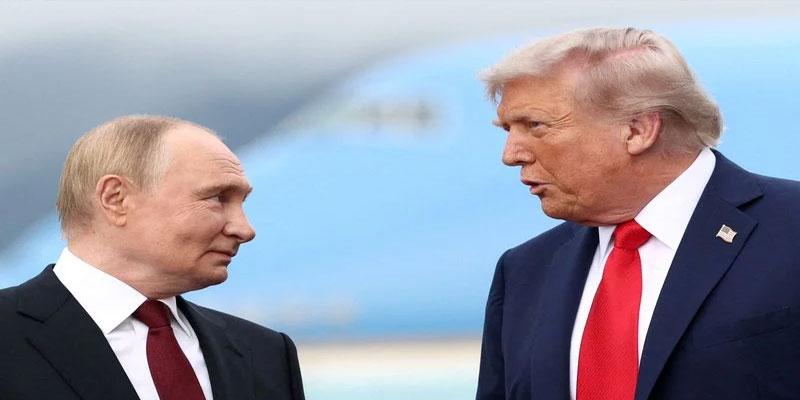
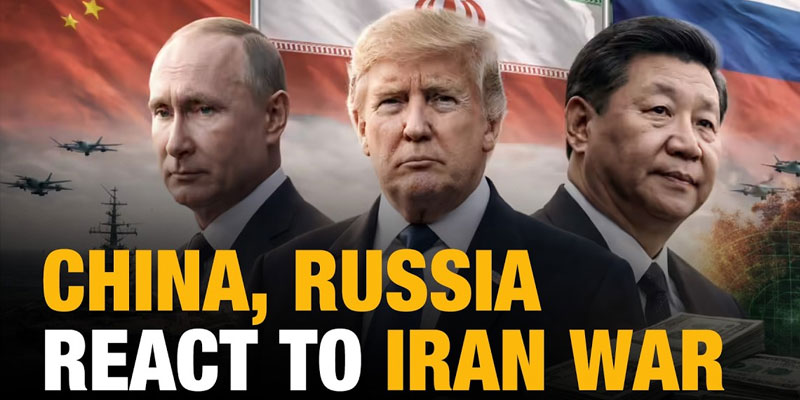
As the conflict involving the United States, Israel and Iran intensifies, a new geopolitical fault line has emerged around global energy supplies. Speaking in Riyadh, the UK’s Home Secretary Yvette Cooper accused Russia and Iran of working together to destabilize global energy markets.
Cooper warned that the two countries are attempting to “hijack the global economy” by exploiting disruptions triggered by tensions around the Strait of Hormuz. The accusation comes as the war involving Iran enters its second week and concerns grow over tanker seizures, shipping attacks, and threats to one of the world’s most important oil routes.
According to British officials, the collaboration between Moscow and Tehran could magnify market volatility, driving up oil prices and amplifying economic pressure on Western economies.
The Emerging Russia–Iran Strategic Link
Cooper emphasized that cooperation between Russia and Iran is not new. Over recent years, both countries have deepened ties in military technology, energy strategy, and geopolitical coordination.
Moscow’s ongoing war in Ukraine has already reshaped global energy flows, forcing Europe and its allies to reduce reliance on Russian oil and gas. Meanwhile, Iran has faced extensive Western sanctions that limit its formal participation in global markets.
According to British officials, this shared pressure has pushed the two nations closer together. Cooper argued that disruptions in the Strait of Hormuz—allegedly encouraged by Iran’s leadership under Mojtaba Khamenei—could indirectly benefit Russia by pushing global oil prices higher.
Higher prices help Moscow offset reduced export volumes caused by sanctions, while Iran gains leverage by demonstrating its ability to influence critical shipping lanes. In this sense, Western policymakers increasingly view the energy turmoil not merely as a consequence of war, but potentially as a calculated strategy.
Oil Prices Surge Amid Gulf Tensions
The geopolitical tensions have already begun to ripple through global energy markets. Benchmark crude prices surged sharply as traders factored in the risk of supply disruptions in the Persian Gulf.
Brent crude futures climbed above $100 per barrel, reaching around $101.48, marking nearly a 10 percent weekly gain. Meanwhile, US benchmark West Texas Intermediate crude rose to about $96.67 per barrel, reflecting a weekly increase of more than 6 percent.
Analysts note that the Strait of Hormuz alone carries roughly 20 percent of the world’s oil supply. Any disruption in this narrow shipping corridor immediately triggers market anxiety, pushing prices upward.
Over the past month, crude prices have surged more than 45 percent amid fears that Iran could escalate its blockade threats or expand attacks on commercial shipping.
Washington’s Attempt to Stabilize Markets
In an effort to contain the price surge, Scott Bessent, the US Treasury Secretary, introduced a temporary measure aimed at easing supply pressures.
The United States issued a 30-day license allowing purchases of Russian oil that had already been loaded onto tankers before March 12. The exemption, valid until April 11, was designed to prevent supply bottlenecks from stranded shipments without significantly boosting Russia’s revenues.
Officials emphasized that the move would not weaken existing sanctions. However, the policy drew criticism from Ukraine and skepticism from market analysts who argued that the measure covers only around 100 million barrels already in transit—roughly a few weeks’ worth of global demand.
Analysts Warn of Prolonged Energy Volatility
Energy experts believe that the temporary license will have limited impact on market stability. The deeper issue remains geopolitical risk in the Persian Gulf and uncertainty over Iran’s actions.
Even if oil supply technically remains sufficient, traders tend to build a “risk premium” into prices whenever critical shipping routes face threats. With tensions persisting and diplomatic solutions appearing distant, analysts warn Brent crude could climb beyond $107 per barrel if hostilities escalate further.
Energy Markets at the Center of Geopolitics
The latest accusations from the United Kingdom highlight how energy has once again become a central battleground in global politics. Whether or not Russia and Iran are deliberately coordinating their strategies, the perception alone is enough to shake markets and amplify economic uncertainty.
As conflicts expand and strategic alliances shift, the global energy system remains highly vulnerable to geopolitical shocks. The crisis underscores a broader reality: in a world dependent on interconnected energy flows, regional conflicts can quickly evolve into worldwide economic disruptions.
(With agency inputs)