Rising Tensions Over the Strait
Iran has declared that it—not Washington—will determine when military actions against US and Israeli targets end, sharply rejecting predictions from the United States that the conflict could soon wind down. The war of words intensified further after US President Donald Trump warned that Washington could take control of the Strait of Hormuz if Iran interferes with global oil shipments. Tehran responded with a stark message: if attacks continue, “not a litre of oil” will be allowed to leave the Middle East.
The exchange reflects the increasingly volatile geopolitical climate surrounding the Iran conflict, now stretching beyond direct military engagement to strategic threats over energy supply routes. At the center of the confrontation lies the Strait of Hormuz, a narrow but critical maritime corridor through which nearly 20% of the world’s oil supply passes every day.
Trump’s Mixed Signals: Confidence and Deterrence
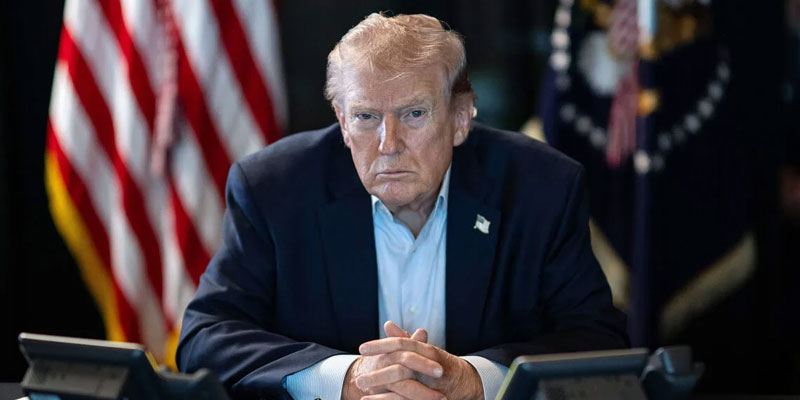
Speaking from his golf club in Miami on March 9, Trump projected confidence about the direction of the conflict. According to him, US and Israeli military operations were progressing “very far ahead of schedule,” raising the possibility that the war—now in its second week—could end quickly, perhaps within a month.
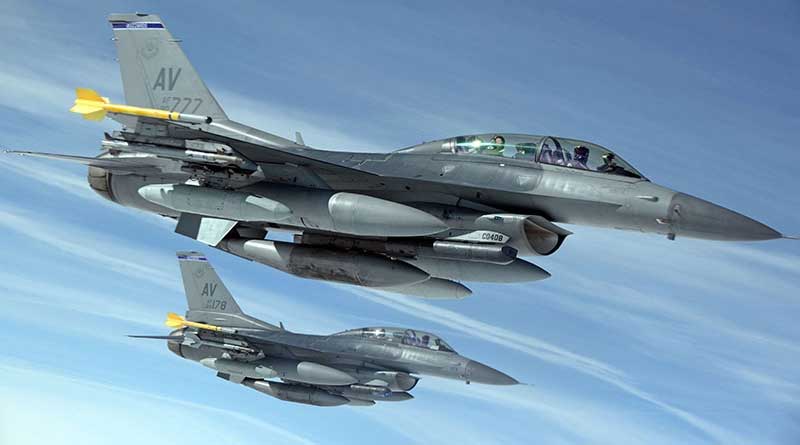
Trump pointed to heavy damage inflicted on Iran’s air force and naval assets, suggesting that Tehran’s ability to sustain prolonged confrontation had already been weakened. At the same time, however, he issued a strong warning aimed at deterring any disruption of global oil flows. If Iran attempts to block tanker traffic in the Strait of Hormuz, the US response would be overwhelming, he said, threatening strikes “20 times harder” that could bring “death, fire, and fury” to Iran.
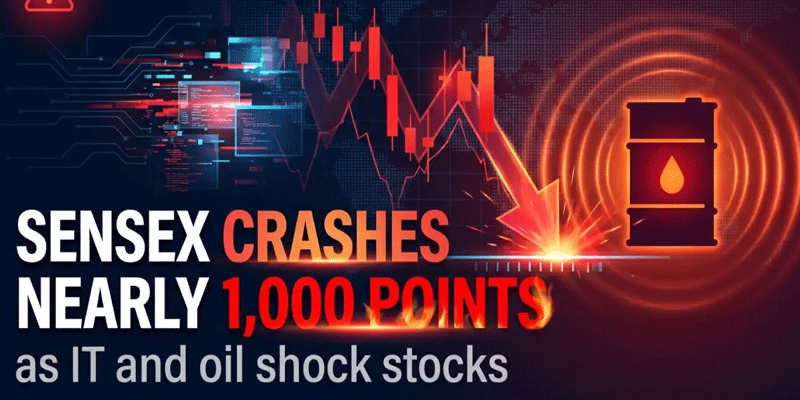
This dual messaging appears designed to serve two purposes: reassuring global markets and allies that the conflict is under control, while also signaling strong deterrence to prevent further escalation. Oil markets initially reacted nervously, with Brent crude briefly touching $120 per barrel before retreating.
Iran’s Hardline Response
Iran’s Islamic Revolutionary Guard Corps (IRGC) quickly rejected Trump’s claims and timeline. Officials insisted that Iran retains full control over the course of the war and that outside powers cannot dictate when hostilities will end. The IRGC warned that if US and Israeli attacks continue, Tehran could escalate by choking off oil exports from the region entirely.
This posture reflects a broader show of defiance from Iran’s leadership. The country’s political establishment has hardened in recent months, particularly following the rise of a new conservative leadership aligned with Supreme Leader Ayatollah Ali Khamenei’s inner circle. Iranian military officials have also hinted at expanding their missile capabilities, including the deployment of heavier warheads.
By emphasizing the possibility of blocking oil exports through the Gulf, Tehran is leveraging its geographic advantage. Even limited disruption to tanker traffic in the Strait of Hormuz can quickly send global energy prices soaring and rattle international markets.
Strategic Calculations on Both Sides
Behind the heated rhetoric lies a complex strategic calculation. Trump’s warnings about potentially securing the Strait of Hormuz and releasing oil from US strategic reserves are meant to stabilize energy markets and reassure allies concerned about supply shocks. At the same time, the US has reportedly explored sanction waivers and alternative oil supply arrangements to soften the economic impact of the conflict.
Iran, meanwhile, is projecting strength to maintain domestic unity and reassure its regional allies and proxy networks. Analysts suggest that Tehran’s tough messaging may also aim to mask internal vulnerabilities, including limited missile inventories and economic strain from sanctions.
Yet both sides understand the risks of a full blockade of the Strait. Such a move would disrupt global trade and severely damage economies across the Middle East—including Iran’s own oil revenues, which remain crucial despite international sanctions.
Oil Routes as the Battlefield of Power
The confrontation between Washington and Tehran illustrates how modern conflicts extend far beyond traditional battlefields. Control over strategic energy routes like the Strait of Hormuz has become a powerful geopolitical tool capable of influencing global markets and diplomacy alike.
While both sides are attempting to project strength, their rhetoric also reflects a delicate balancing act. A prolonged standoff could deepen volatility in energy markets and heighten global economic uncertainty. For now, the world watches as the Strait of Hormuz—one of the planet’s most vital oil arteries—remains at the center of a dangerous geopolitical contest.
(With agency inputs)