A Brief Snapshot of the Crisis
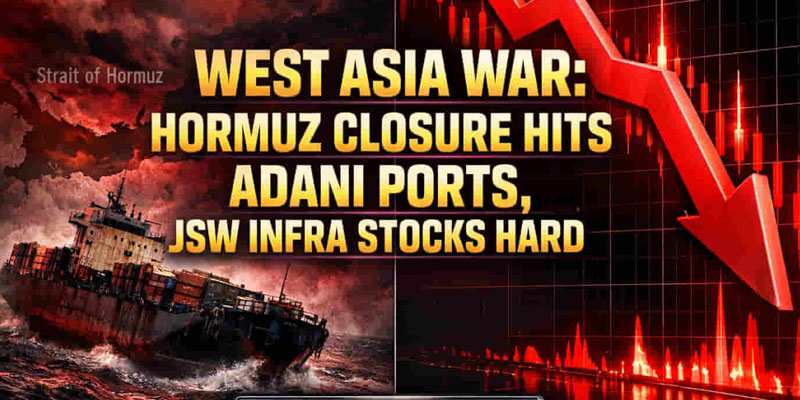
Amid escalating geopolitical tensions in West Asia, India finds itself navigating a sensitive maritime challenge. Fifteen Indian-flagged vessels are currently positioned near the Strait of Hormuz, one of the world’s most strategically vital shipping corridors. As uncertainty deepens following global developments, the Indian government has initiated swift measures to ensure the safety of its ships, cargo, and seafarers, while preparing contingency plans to bring them back safely.
A Flashpoint in Global Energy Routes
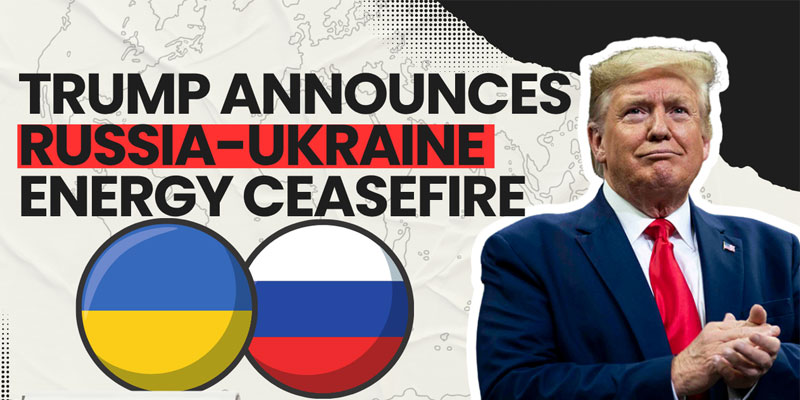
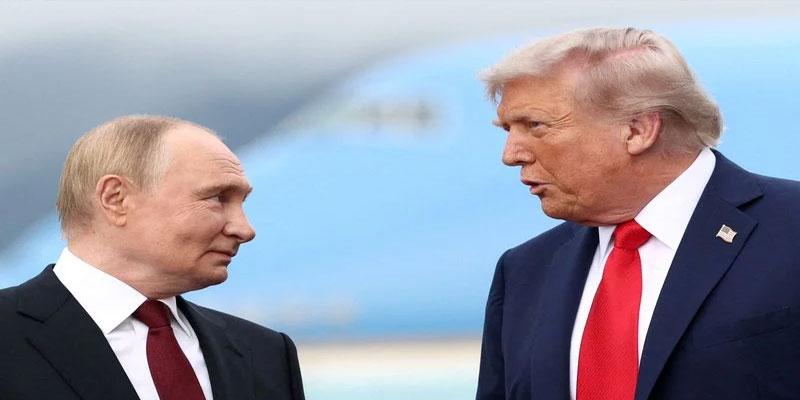
The situation intensified after U.S. President Donald Trump announced a proposed blockade of the Strait of Hormuz following unsuccessful ceasefire talks between the United States and Iran held in Pakistan. The announcement triggered immediate concerns across global shipping networks, as the U.S. Navy was reportedly preparing to restrict maritime movement in and out of the strait.
However, conflicting signals—such as allowing transit between non-Iranian ports—have added layers of ambiguity. For shipping operators, this lack of clarity complicates route planning, increases operational risk, and raises insurance costs. The Strait of Hormuz, through which a significant portion of the world’s oil and gas supplies pass, is not merely a regional chokepoint but a global economic artery. Any disruption here reverberates far beyond the Gulf.
Why It Matters for India
India’s dependence on Gulf energy imports makes this development particularly critical. A substantial share of India’s crude oil, LPG, and petrochemical imports flows through the Strait of Hormuz. Disruptions threaten not only energy availability but also freight timelines, pricing stability, and downstream supply chains.
The presence of Indian-flagged vessels in the region heightens concerns around crew safety and cargo security. Indian seafarers, who form a significant part of the global maritime workforce, are directly exposed to risks in such volatile zones. Therefore, the issue is not confined to trade—it also involves human safety and national economic resilience.
Government Response: Coordinated and Cautious
Recognizing the gravity of the situation, Indian authorities have activated a coordinated response. The Ministry of Ports, Shipping and Waterways, in collaboration with the Ministry of External Affairs, is closely monitoring developments and working on plans to facilitate the safe return of the vessels.
Officials have emphasized that all Indian seafarers in the region are currently safe, and no incidents involving Indian vessels have been reported in the past 24 hours. This indicates a strategy focused on vigilance, risk mitigation, and preparedness rather than reactive evacuation. The approach reflects India’s broader crisis-management doctrine: measured, multi-agency coordination with an emphasis on stability.
The Jag Vikram Signal: A Ray of Operational Continuity
Amid the uncertainty, a positive development has emerged. The Indian LPG carrier Jag Vikram successfully crossed the Strait of Hormuz on April 11 and is expected to dock at Kandla, Gujarat, on April 14. Carrying approximately 20,400 metric tonnes of LPG and 24 crew members, its journey underscores that maritime movement, though strained, has not come to a complete halt.
This transit is significant beyond a single shipment. LPG plays a crucial role in India’s domestic and industrial energy consumption, and timely deliveries are essential. The vessel’s safe passage provides reassurance that controlled navigation through the strait remains possible under careful monitoring.
Beyond Immediate Risks
The unfolding situation highlights the enduring vulnerability of global energy routes to geopolitical tensions. For India, it reinforces the need to balance diplomacy, maritime preparedness, and energy security. The Strait of Hormuz is not just a passage—it is a strategic pressure point where military signaling can disrupt global commerce.
A Test of Preparedness and Policy
India’s handling of the current crisis will serve as a benchmark for its maritime crisis-management capabilities. If stability returns quickly, the episode may be remembered as a short-lived disruption. However, prolonged uncertainty could compel India to rethink shipping routes, diversify energy sourcing, and strengthen contingency frameworks.
In an increasingly volatile geopolitical landscape, the safe navigation of these 15 vessels is more than an operational task—it is a reflection of India’s ability to safeguard its economic lifelines while maintaining strategic composure.
(With agency inputs)