A Fresh Financial Shock
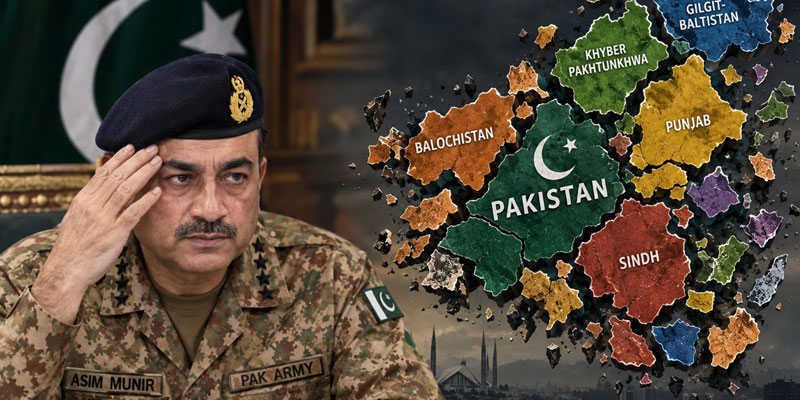
Pakistan is once again in urgent financial distress, seeking support from Saudi Arabia and China after the United Arab Emirates reportedly asked for repayment of its $3 billion loan. Islamabad is now weighing “all options” to meet the obligation, exposing the fragile nature of its external financing system and the growing strain on its economy.
Debt Pressure: A Narrow Buffer Against Crisis
Pakistan’s foreign-exchange reserves stood at approximately $16.4 billion as of late March, barely sufficient to cover three months of imports. This thin buffer leaves the country highly vulnerable to sudden outflows, especially as global oil prices and import costs remain elevated.
The pressure is not new—it is deeply structural. Pakistan has long relied on repeated assistance from the International Monetary Fund, along with bilateral deposits and short-term loan rollovers. Persistent fiscal deficits, rising debt-servicing costs, and a weak export base have created a cycle where borrowing becomes essential just to maintain economic stability.
The UAE Shock: End of a Lifeline
The immediate crisis was triggered when the United Arab Emirates ended its seven-year practice of rolling over a $3 billion loan and instead demanded full repayment. This decision removed a critical cushion that had helped Pakistan avoid sudden depletion of its reserves.
Without this rollover, Islamabad must now secure alternative funding quickly. The government is exploring a range of financial instruments, including Eurobonds, Islamic sukuks, rupee-linked bonds, and yuan-denominated debt. These options reflect an attempt not only to raise funds but also to maintain investor confidence and prevent a sharp currency or balance-of-payments crisis.
Turning to Traditional Backers
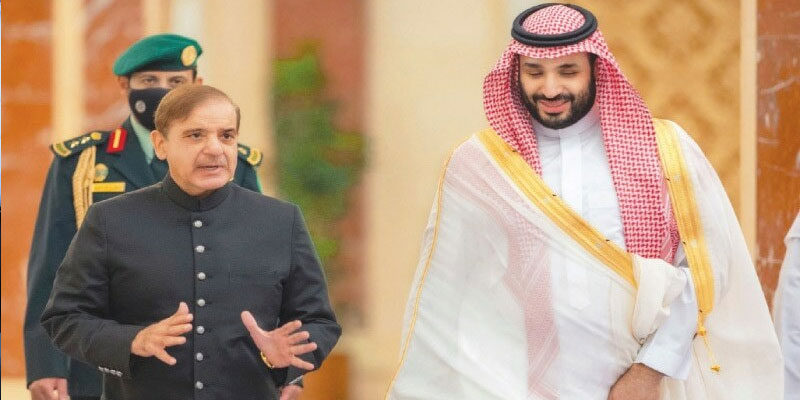
Pakistan’s outreach to Saudi Arabia and China highlights its continued dependence on bilateral partners. Both countries have historically stepped in with deposits, loans, or deferred payment arrangements during periods of financial stress.
However, this reliance also reveals a structural weakness. When one creditor tightens terms, Pakistan has little choice but to approach another, often under less favourable conditions. This cycle of dependency limits Islamabad’s bargaining power and increases long-term financial vulnerability.
Global Context: A Tougher External Environment
Pakistan’s financial challenges are unfolding against a difficult global backdrop. Rising geopolitical tensions in the Middle East have pushed up oil prices, directly impacting Pakistan’s import bill. For an energy-import-dependent economy, this translates into higher outflows and additional pressure on reserves.
At the same time, participation in meetings of the IMF and World Bank is critical for Pakistan’s finance leadership. These forums are key to securing multilateral support, but global economic uncertainty has made financing more expensive and harder to access.
Structural Weakness: A Cycle of Dependence
The recurring nature of Pakistan’s financial crises points to deeper systemic issues. High debt servicing consumes a large portion of government revenues, leaving limited room for development spending. Weak export growth and reliance on imports further strain the balance of payments.
Each bailout or emergency loan provides temporary relief but delays structural reforms. Without significant improvements in tax collection, industrial productivity, and export diversification, Pakistan remains trapped in a cycle of borrowing and repayment.
A Crisis Beyond One Loan
The current crisis is not just about repaying a $3 billion loan—it is a reflection of the fragility of Pakistan’s entire economic model. The country faces overlapping challenges of liquidity, debt sustainability, and external vulnerability.
To break free from this cycle, Pakistan must move beyond short-term fixes and implement long-term reforms that strengthen its fiscal and export base. Until then, each repayment deadline will continue to trigger a search for new lenders, rather than marking a step toward genuine financial stability.
(With agency inputs)