Bankipur Bypoll Signals a Dramatic Shift in Bihar Politics
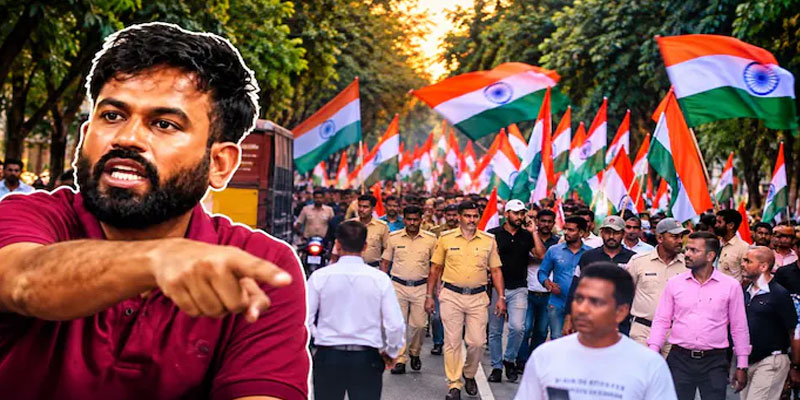
The BJP has held Bankipur in Patna since 1995, but Jan Suraaj Party founder Prashant Kishor's widening lead has put its three-decade grip on the seat under threat. What was initially expected to be a routine victory for the BJP has transformed into one of Bihar's most significant political contests. As counting progressed, Kishor steadily expanded his lead over the BJP candidate, raising the possibility of a historic upset in one of the party's safest urban constituencies. If the trend holds, the Bankipur bypoll could become a defining moment not only for Prashant Kishor's political journey but also for Bihar's evolving electoral landscape.
Why Bankipur Is More Than Just Another Assembly Seat
Situated in the heart of Patna and forming an important part of the politically influential Patna Sahib parliamentary constituency, Bankipur has long symbolised the BJP's dominance in urban Bihar.
The party has retained the constituency continuously since 1995, making it one of its most secure electoral bastions. The bypoll was necessitated after sitting BJP MLA Nitin Nabin vacated the seat following his election to the Rajya Sabha.
Given this history, the contest carried prestige far beyond its numerical importance. A BJP victory would have reaffirmed its enduring appeal among Patna's urban middle-class electorate, while any defeat would inevitably trigger questions about changing political equations in Bihar.
How Prashant Kishor Changed the Electoral Contest
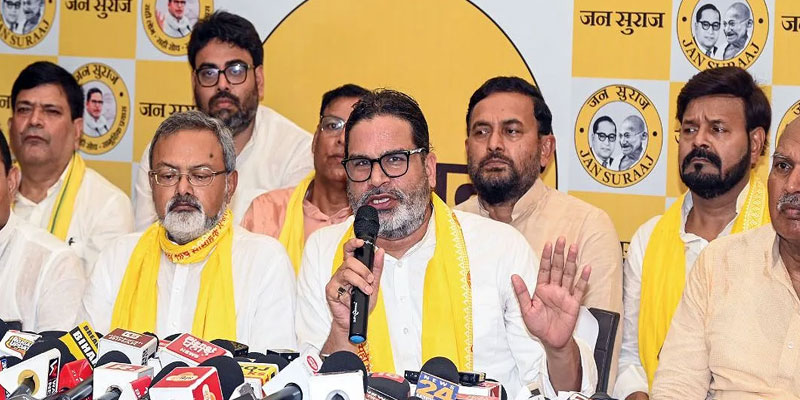
The political dynamics shifted dramatically with the entry of Prashant Kishor, the renowned election strategist who has now transitioned into active electoral politics through his Jan Suraaj Party.
Positioning himself as a reform-oriented political alternative, Kishor campaigned extensively on issues of governance, civic infrastructure, corruption and political accountability. His outsider image contrasted sharply with traditional party politics, helping him attract voters seeking a fresh political choice.
The BJP fielded Neeraj Kumar Sinha, while the Rashtriya Janata Dal (RJD) nominated Rekha Gupta, turning the election into a triangular contest. Rather than merely dividing opposition votes, Kishor's campaign appears to have mobilised a distinct section of urban voters dissatisfied with the existing political establishment.
Why Kishor's Victory Would Be a Major Blow to the BJP
If Prashant Kishor ultimately wins the Bankipur bypoll, the result would represent far more than the loss of a single Assembly seat.
It would end the BJP's uninterrupted 30-year dominance in one of its strongest urban constituencies, denting the perception that its core vote base in Patna remains unassailable. Such an outcome could also encourage rival parties to challenge the BJP more aggressively in constituencies previously considered politically secure.
For Jan Suraaj, a victory would instantly transform the party from an emerging political platform into a credible electoral force. It would validate Kishor's years of grassroots mobilisation and strengthen his campaign centred on governance reforms and political renewal.
Latest Counting Trends Point Towards a Historic Upset
As counting progressed, Kishor consistently widened his advantage over the BJP candidate. Early rounds showed him leading by 862 votes, followed by 1,162 votes, before the margin expanded significantly.
Subsequent counting rounds reportedly pushed his lead beyond 11,000 votes, later reaching nearly 15,000 to 16,000 votes, prompting celebrations among Jan Suraaj supporters across Patna. Political observers have described the contest as one of the most significant electoral upsets witnessed in Bihar in recent years.
A Defining Moment for Bihar's Political Future
The Bankipur bypoll could emerge as a watershed in Bihar politics. For the BJP, it represents a serious challenge to a long-standing urban stronghold that has symbolised its organisational strength for three decades. For Prashant Kishor, it offers an opportunity to convert years of political advocacy into tangible electoral success. Beyond the immediate result, the contest reflects a broader shift in voter expectations, where governance, accountability and credible alternatives are increasingly influencing electoral choices. Whether Bankipur ultimately becomes the launchpad of a new political force or merely an isolated upset, its outcome is likely to shape Bihar's political narrative well ahead of the next major electoral battles.
(With agency inputs)