From Military Threats to Peace Talks: A Dramatic Shift
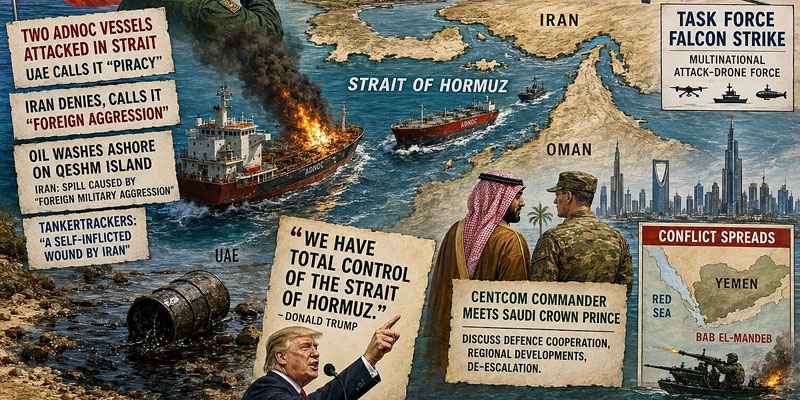
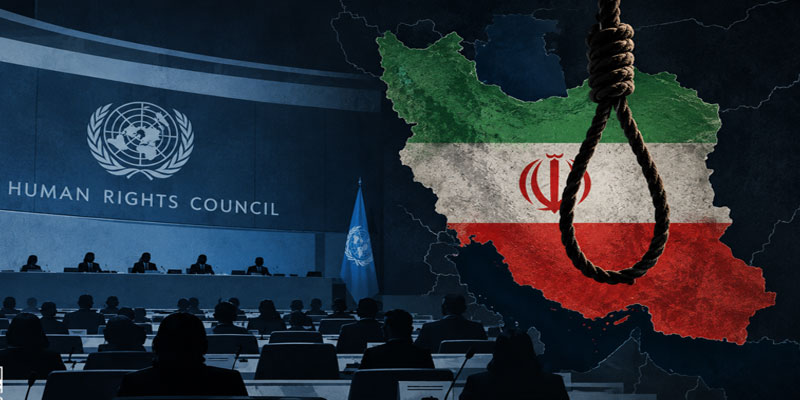
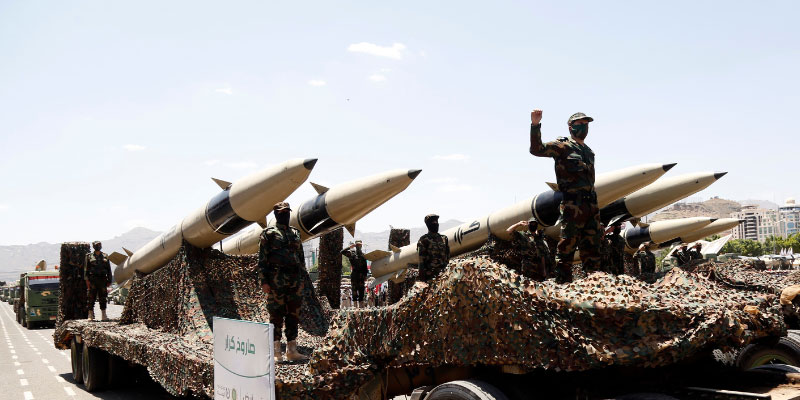
"Trump cancels strikes on Iran, says talks to resume." In a dramatic reversal that has caught global attention, US President Donald Trump has pulled back from his earlier threat of launching "very hard strikes" against Iran, announcing instead that diplomatic negotiations will resume. The sudden pivot comes amid reports that Iran and several influential Gulf nations urged Washington to delay military action while negotiations over the Strait of Hormuz and Iran's nuclear programme gather momentum. While the decision lowers immediate fears of conflict, it also underscores the fragile balance between coercive diplomacy and the risk of another regional crisis.
A Familiar Pattern in a Long-Running Standoff
The latest development unfolds against the backdrop of years of fluctuating US-Iran tensions marked by alternating periods of confrontation and dialogue. Since returning to office, Trump has repeatedly adopted a strategy of combining military pressure with transactional diplomacy, using threats to strengthen America's negotiating position before opening the door for talks.
At the heart of the dispute lies not only Iran's nuclear ambitions but also the strategic significance of the Strait of Hormuz, one of the world's busiest maritime chokepoints through which nearly a fifth of global oil supplies pass. Any disruption in the narrow waterway would have immediate consequences for global energy prices, shipping costs, and economic stability.
Decoding Trump's Strategic U-Turn
Trump's decision appears to be driven more by strategic calculation than by any fundamental shift in policy. According to his own statement, he agreed to suspend military action after Iran and several Middle Eastern countries requested additional time to finalise a diplomatic understanding. He later confirmed that negotiations would resume on Monday.
Three major factors appear to explain this reversal.
· The first is regional pressure. Gulf powers including Saudi Arabia, the United Arab Emirates, and Qatar have reportedly encouraged Washington to avoid military escalation. Their economies depend heavily on uninterrupted oil exports, secure maritime trade, and investor confidence, making regional stability a top priority.
· Second is operational realism. While military strikes could have demonstrated American resolve, they also carried unpredictable consequences—from retaliation against US assets to disruptions in international shipping and wider regional instability.
· Finally, the move reflects Trump's long-established deal-making approach. Throughout his political career, he has often used aggressive rhetoric to create negotiating leverage before pursuing agreements that allow him to project both strength and diplomatic success. Suspending strikes while keeping the military option alive fits that pattern.
Diplomatic Momentum Gains Ground
Recent developments indicate that negotiations will focus on two interconnected issues—ensuring freedom of navigation through the Strait of Hormuz and addressing concerns surrounding Iran's nuclear programme.
Parallel diplomatic efforts are also reportedly underway between Iran and Oman regarding maritime security in the Hormuz region. If these discussions progress alongside US-Iran negotiations, they could significantly reduce tensions in one of the world's most strategically sensitive waterways.
Nevertheless, Washington has made it clear that military options remain available should diplomacy fail, keeping pressure firmly on Tehran.
Latest Developments Signal Cautious Optimism
The immediate threat of military confrontation has receded, but the situation remains fluid. The coming days will determine whether the current pause evolves into a meaningful diplomatic breakthrough or merely delays another cycle of confrontation.
For global markets, particularly energy traders, the renewed emphasis on dialogue has brought cautious optimism. However, policymakers remain alert, recognising that any collapse in negotiations could quickly revive security concerns across the Gulf.
Diplomacy Offers Hope, But the Risk Remains
Trump's decision to suspend strikes represents a calculated tactical pause rather than a strategic retreat. By balancing military pressure with diplomatic engagement, Washington seeks to maximise leverage while avoiding the enormous costs of another Middle East conflict. Whether this gamble succeeds will depend entirely on the outcome of the resumed talks. If negotiators can produce even a limited framework on maritime security and nuclear restraint, the U-turn may be remembered as a successful exercise in crisis management. If not, the region could once again find itself on the brink of a dangerous escalation.
(With agency inputs)