Tariffs as a Tool of Pressure
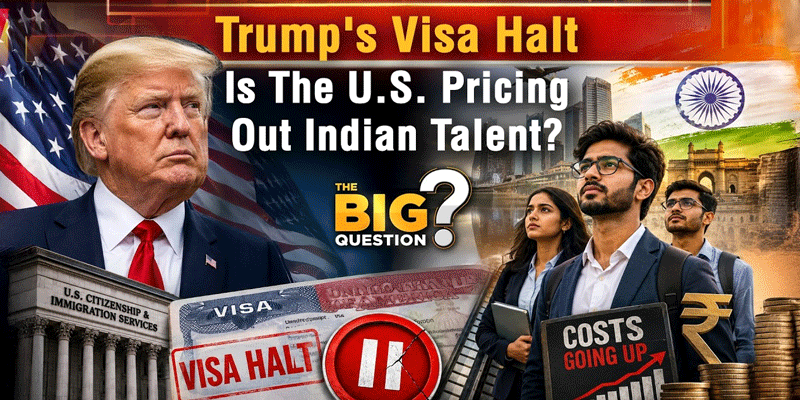
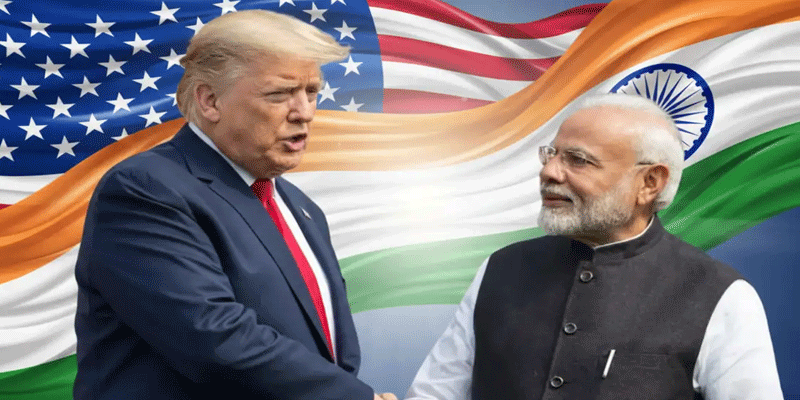
A fresh flashpoint has emerged in the global energy and trade landscape as U.S. President Donald Trump slapped steep tariffs on Indian goods in retaliation for New Delhi’s continued purchases of Russian crude oil. Effective August 27, the U.S. levy has been raised by 25%—and later doubled to 50%—on Indian exports, making it one of the harshest trade actions against New Delhi in recent years.
The move comes against the backdrop of Washington’s broader strategy to squeeze Moscow financially over the Ukraine conflict and discourage nations from buying Russian oil. India, alongside China, has become one of Russia’s largest energy customers since Western sanctions drove Moscow to redirect its oil supplies eastward.
India Resumes Buying Russian Crude
Despite mounting U.S. pressure, India’s state-run refiners—Indian Oil Corporation (IOC) and Bharat Petroleum Corporation Limited (BPCL)—have resumed purchases of Russian oil for September and October deliveries. Company officials confirmed that discounts on Russia’s flagship Urals crude widened to about $3 per barrel, making it financially attractive once again.
Indian refiners had paused imports in July, both due to narrowing discounts and after sharp criticism from Washington. But with economics once more favoring Russian barrels, they have restarted sourcing not only Urals but also other grades such as Varandey and Siberian Light.
IOC, the country’s top refiner, recently told analysts that future Russian oil purchases would depend purely on commercial logic, signaling India’s stance of “energy pragmatism” over political pressure.
Impact on Global Buyers, Especially China
India’s return to Russian oil imports could potentially squeeze supplies available for China, which had stepped up buying during India’s temporary absence. Industry trackers noted that Chinese refiners snapped up at least 15 cargoes of Russian crude for October and November, underscoring the intense competition between Asia’s two largest energy importers.
The shifting balance highlights how price dynamics and geopolitical risks are shaping supply chains, leaving both India and China competing for discounted barrels even as Washington attempts to curb the trade.
Russia’s Reassurance and Support
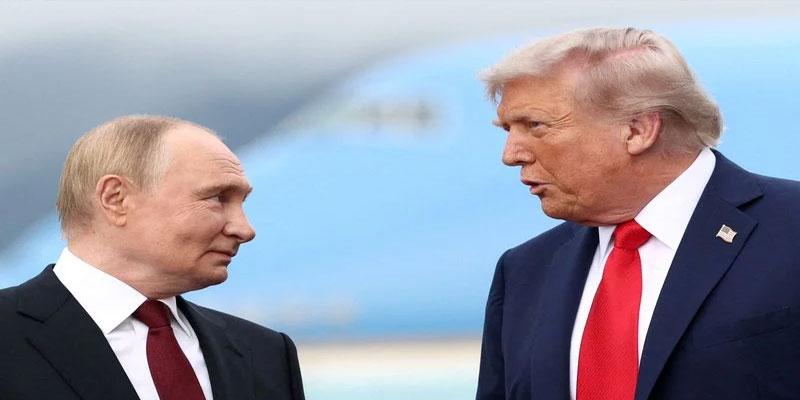
Reacting to Trump’s tariff escalation, Moscow strongly defended India’s right to buy Russian crude. At a press conference in New Delhi, Russian Deputy Chief of Mission Roman Babushkin dismissed Washington’s pressure as “unilateral, unjustified, and neocolonial.”
Babushkin emphasized that:
· Russia remains India’s largest crude supplier, and demand from New Delhi is expected to rise.
· India is welcome to increase exports to Russia if U.S. tariffs obstruct access to American markets.
· The India-Russia energy partnership is a “perfect case of mutual accommodation and complementarity.”
He added that Western sanctions have historically backfired on those who impose them, describing the U.S. move as an example of “blackmail, double standards, and unlawful competition.”
India’s Diplomatic Balancing Act
The tariff escalation coincides with External Affairs Minister S. Jaishankar’s three-day visit to Moscow, where discussions with Russian Foreign Minister Sergei Lavrov are expected to cover energy cooperation and wider geopolitical coordination.
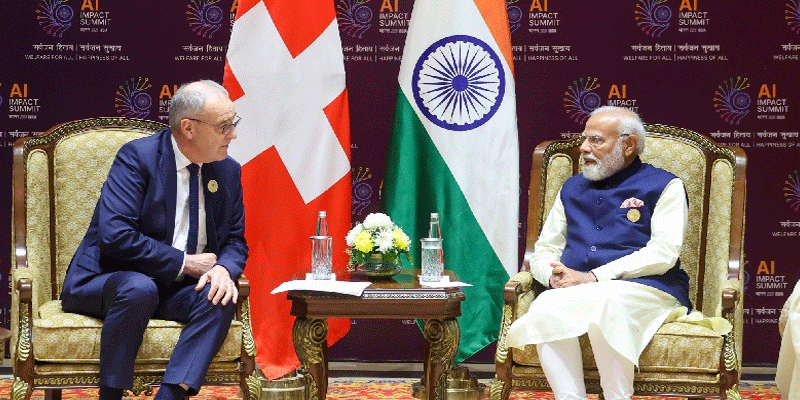
India has already conveyed its disapproval of Washington’s tariff hike, calling it “unfair, unjustified and unreasonable.” Prime Minister Narendra Modi has reiterated that New Delhi will not yield to external pressure in securing energy supplies that are vital for its economy.
For New Delhi, the challenge lies in balancing its strategic autonomy—maintaining strong ties with both Washington and Moscow—while safeguarding its economic interests.
U.S. Justification and Strategic Goals
The White House has framed Trump’s decision as part of a wider attempt to undercut Russia’s war financing. Press Secretary Karoline Leavitt said the new tariffs on India were meant to deter Moscow’s aggression in Ukraine by making it harder for countries like India to continue buying Russian crude.
She noted that Trump was determined to “bring the war to a close” and that sanctions and tariffs were tools to apply pressure not only on Russia but also on its key trade partners.
However, critics argue that the tariffs risk alienating a key strategic ally in the Indo-Pacific at a time when Washington is trying to counterbalance China’s influence in Asia.
The Broader Economic Fallout
The punitive tariff regime could severely impact Indian export sectors such as textiles, leather, and marine products, which rely heavily on U.S. markets. With the duty now at 50%—the highest level imposed on any U.S. trade partner alongside Brazil—India’s competitiveness in the American market may erode significantly.
Meanwhile, Russia has assured that its economy, despite being under Western sanctions for years, continues to grow. Babushkin noted that Russia’s trade with India has expanded sevenfold in recent years, and both sides remain committed to deepening cooperation within frameworks like BRICS.
Between Tariffs and Energy Security
The clash over Russian oil imports has placed India at the intersection of geopolitics and economics. Trump’s tariff offensive underscores Washington’s willingness to use trade weapons to advance strategic goals, even at the cost of straining ties with a democratic partner.
For India, the message is clear: its energy security cannot be compromised, even if that means facing punitive tariffs from the U.S. At the same time, New Delhi will need to navigate carefully, ensuring that its strategic autonomy is preserved without permanently damaging relations with either Washington or Moscow.
Ultimately, this episode highlights the fragile balance in a multipolar world, where nations like India must constantly weigh economic necessity against diplomatic fallout. Whether the tariffs push India closer to Russia—or force a rethinking in Washington—will be watched closely in the months ahead.
(With agency inputs)