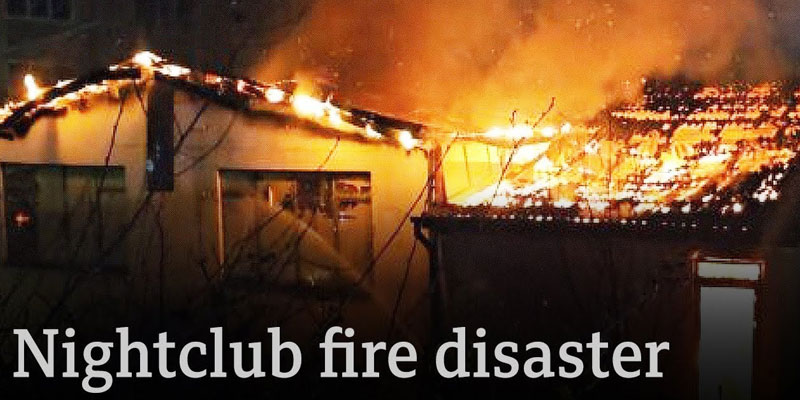
Switzerland is grappling with shock and grief after a devastating fire tore through Le Constellation nightclub in the alpine resort town of Crans-Montana during New Year’s Eve celebrations. The blaze, one of the deadliest civilian disasters in recent Swiss history, left 47 people dead and more than 115 injured, many with critical burns or smoke inhalation. What was meant to mark the arrival of 2026 instead became a night of chaos, fear, and irreversible loss.
A Rare but Jarring Disaster
Known globally for precision, safety, and strong regulatory frameworks, Switzerland is not often associated with mass-casualty accidents in public venues. This is precisely why the Crans-Montana fire has triggered intense scrutiny. Early evidence suggests that a combination of unsafe practices, structural vulnerabilities, and enforcement gaps may have converged in a setting designed for celebration, raising uncomfortable questions about safety compliance in high-risk nightlife environments—especially in tourist-heavy resort towns.
How the Night Unfolded
The fire broke out shortly after 1:30 a.m. on January 1, 2026, in a basement nightclub crowded with more than 100 patrons, most of them young tourists aged between 16 and 25. Crans-Montana, a premium ski destination, had drawn an international crowd for the holiday. Many of the victims were foreign nationals, particularly from Italy and France.
Witnesses described thick, choking smoke filling the venue within seconds, ceilings giving way, and a desperate rush toward a single narrow staircase. Wooden interiors and flammable materials accelerated the spread of flames, quickly overwhelming local emergency services. Hospitals in the region were pushed beyond capacity, forcing authorities to airlift the injured to major cities including Geneva, Lausanne, and Zurich.
Cause and Safety Failures: A Preventable Chain
Investigators are focusing on the use of indoor pyrotechnics as the likely trigger. Promotional practices at the club reportedly included sparklers or flaming candles placed on champagne bottles—an apparent crowd-pleasing feature that proved fatal in an enclosed space. An initial explosion was reported before the fire spread, though officials have ruled out terrorism, emphasizing negligence as the central line of inquiry.
More troubling are the apparent safety violations: the presence of only one functional exit, inadequate ventilation, and the absence of sprinklers or effective fire alarms. These factors severely limited escape options and delayed response, turning panic into catastrophe.
Swiss Nightclub Safety Codes: Strong on Paper, Uneven in Practice
Switzerland enforces strict fire and building regulations at both federal and cantonal levels. Public venues are generally required to have multiple exits, fire suppression systems for large capacities, and explicit bans on indoor pyrotechnics without special permits. Annual inspections and evacuation plans are mandatory, particularly in cantons like Valais.
However, the Crans-Montana case suggests that enforcement may be more flexible—or inconsistently applied—in resort settings catering to tourists and “special events.” While Switzerland does not have a history of frequent nightclub fires, minor violations such as overcrowding or temporary exemptions have been noted in the past. This tragedy exposes how even isolated lapses can have devastating consequences.
Broader Implications and Lessons
The fire has prompted nationwide audits of nightlife venues, particularly in alpine resorts. Prosecutors are investigating potential criminal negligence, while safety experts are calling for outright bans on indoor pyrotechnics, stricter exit requirements, and the end of informal exemptions for VIP or temporary events. Comparisons are already being drawn to global disasters like Brazil’s Kiss nightclub fire, underscoring that the risks are universal when safety is compromised.
Regulation Must Match Reputation
The Crans-Montana tragedy stands as a stark reminder that strong laws are meaningless without rigorous enforcement. Switzerland’s reputation for safety now depends on its willingness to confront uncomfortable truths, close regulatory loopholes, and prioritize prevention over spectacle. Honoring the victims will require more than mourning—it will demand decisive reforms to ensure that celebration never again turns into catastrophe.
(With agency inputs)