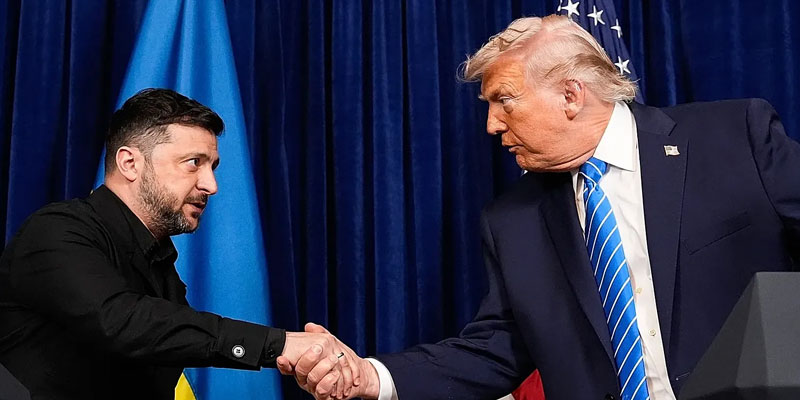
The proposed US sale of F-35 stealth fighter jets to Saudi Arabia—spotlighted during Crown Prince Mohammed bin Salman’s ceremonial White House visit—has triggered global controversy. The package signals a dramatic policy shift, with Donald Trump championing future F-35 deliveries alongside Riyadh’s pledge of nearly $1 trillion in US investments. The announcement has ignited debates around Israel’s security guarantees, human-rights concerns, China-related technology risks, and the broader regional military balance.
A Deal at the Crossroads of Security, Diplomacy and Optics
Few arms deals cut across as many strategic, ethical, and geopolitical fault lines as the proposed F-35 sale to Saudi Arabia. In showcasing the agreement during MBS’s visit—replete with pomp, praise, and rhetorical dismissal of the Khashoggi murder—Trump has elevated a transactional partnership into a lightning rod for global scrutiny. The F-35, central to US and NATO air power, has long been restricted in the Middle East to protect Israel’s qualitative military edge (QME). Breaking that tradition introduces both opportunities and far-reaching risks.
Inside the F-35 Package: Capabilities, Commitments, and Strategic Ambitions
At the core of the deal lies the US decision to approve future sales of up to 48 F-35s to Riyadh—making Saudi Arabia the first Arab state to potentially operate the fifth-generation platform. The aircraft’s stealth systems, advanced sensors, and integrated battlefield capabilities represent the apex of American military aviation.
But the fighter jets are only one piece of a sweeping strategic framework. The package also includes:
· A US–Saudi Strategic Defence Agreement
· Civil nuclear cooperation
· Partnerships in AI, critical minerals, and defense technologies
· Nearly 300 US-made tanks
· And Saudi promises of massive, long-term US investments
For Trump, the deal is framed domestically as a victory for American jobs, industry, and “burden sharing.”
Takeaway from the Visit:
MBS’s tour—treated as a diplomatic spectacle—signaled a deliberate reset: Riyadh positioning itself as an indispensable US economic partner while seeking the world’s most advanced weapons platform. Washington, in turn, sought to reassert strategic primacy amid Saudi Arabia’s increasingly multi-aligned foreign policy that includes China.
Israel’s Security Fears: Eroding the Qualitative Military Edge
Israel has emerged as the loudest critic. Under US law, Israel’s QME must be preserved to maintain its regional military dominance. The IDF’s formal objection warns that Saudi access to the F-35—even a downgraded variant—could narrow Israel’s technological advantage and complicate future conflict planning.
Concerns include:
· Strain on production lines delaying Israel’s own F-35 orders
· Potential future hostility if political alignments shift
· Reduced air-superiority buffer against an Arab heavyweight
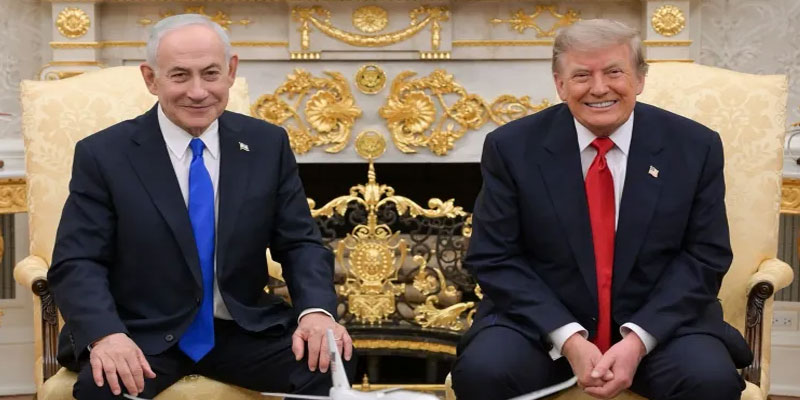
Trump has brushed these concerns aside, assuring Israel it “will be very happy,” though no concrete compensatory measures have been detailed.
Human Rights and the Khashoggi Shadow
The optics of rewarding Saudi Arabia with cutting-edge weaponry so soon after US intelligence linked MBS directly to the murder of journalist Jamal Khashoggi are troubling for human-rights advocates. Trump praised MBS lavishly, called his rights record “incredible,” and suggested Khashoggi was “extremely controversial”—remarks widely seen as attempts to normalize impunity.
Critics argue the move:
· Undercuts US claims of championing human rights
· Reinforces authoritarian confidence
· Signals that economic and strategic leverage override accountability
· Technology Leakage Risks: The China Factor
Saudi Arabia’s deepening ties with China—including joint drills and defense-industrial cooperation—have raised alarm within the Pentagon. The F-35’s stealth materials, sensor architecture, and electronic-warfare systems are among the most guarded technologies in the world.
Even with downgraded software, skeptics fear that:
· Chinese technicians could gain indirect exposure
· Intelligence gathering could occur via long-term industrial partnerships
· A political pivot by Riyadh could jeopardize US secrets
Regional Arms Race and India–Pakistan Implications
A Saudi F-35 fleet could fuel intensified military competition across the Middle East. For India, the concern is indirect: Pakistan’s close defense partnership with Saudi Arabia may enable Pakistani officers to gain familiarity with F-35-level tactics, complicating New Delhi’s long-term air-power planning.
For Iran and others, the move could accelerate procurement of advanced systems from Russia or China, escalating regional tensions further.
A High-Stakes Bet with Long-Term Consequences
The F-35 proposal reflects Trump’s preference for spectacle-driven diplomacy—big deals, big praise, and immediate political gains. Yet beneath the theatrics lies a decision with profound strategic implications. The sale risks undermining Israel’s security edge, emboldening an authoritarian ally, enabling technological vulnerabilities, and destabilizing regional balances.
As Washington weighs short-term benefits against long-term costs, the F-35 deal stands out as one of the most contentious and consequential arms decisions in recent US history.
(With agency inputs)