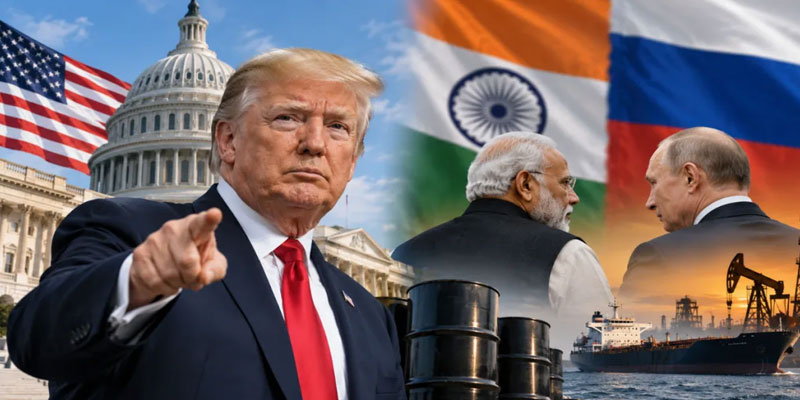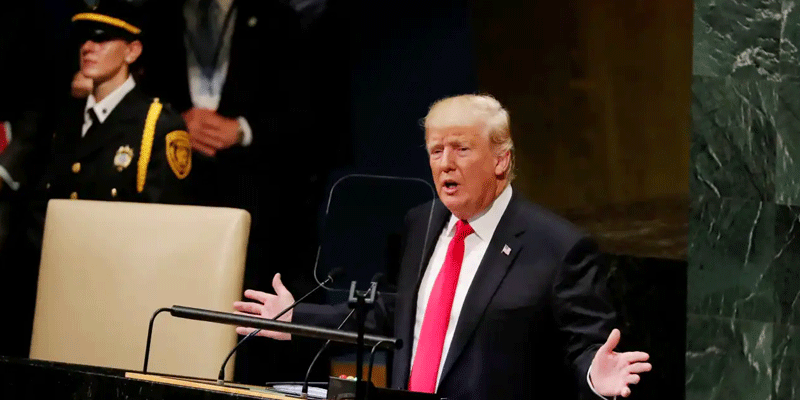
Trump at UNGA 2026: Iran threats, Ukraine diplomacy and the race for AI dominance defined the central themes of US President Donald Trump’s 37-minute address to the 81st United Nations General Assembly on September 22. His speech combined military warnings, diplomatic pressure, criticism of international institutions and an emphatic assertion of American technological leadership.
Iran Dominates Trump’s Global Message
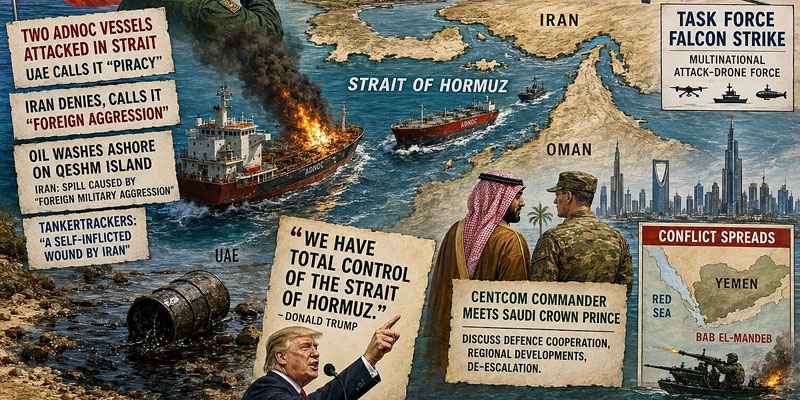
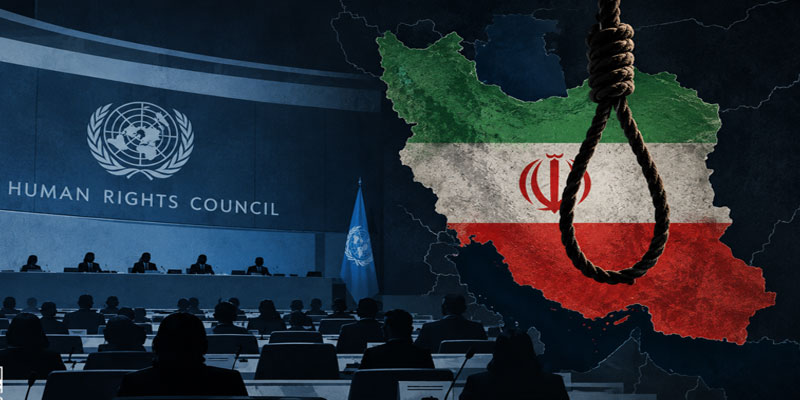
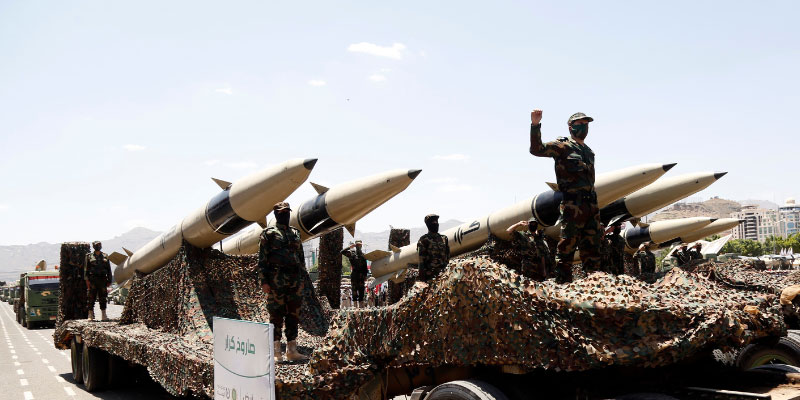
Iran was the most consequential foreign-policy issue in Trump’s address. He defended US military action against Tehran, arguing that it was necessary to prevent Iran from obtaining nuclear weapons. He warned that Iran could face “annihilation” if a peace agreement was not reached, while simultaneously leaving the door open to negotiations. Trump also called for complete economic isolation of Iran.
The contradictory combination of military pressure and diplomacy became clearer after the speech, when Trump said talks involving US representatives and Iranian mediators were continuing and expressed optimism about a possible settlement.
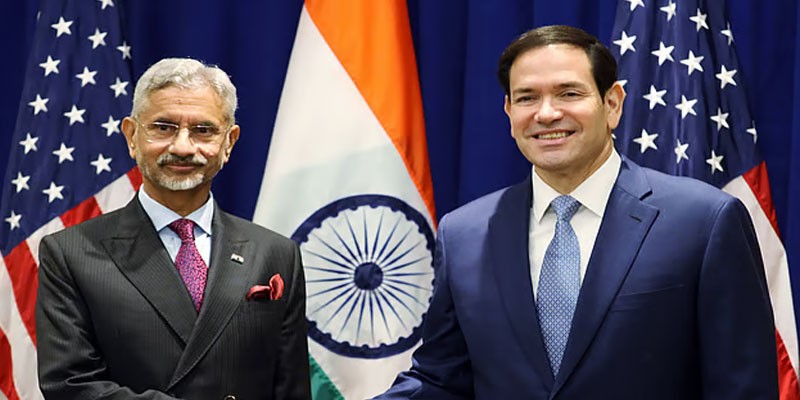
For India, the conflict carries direct economic and strategic implications. New Delhi has repeatedly stressed the importance of keeping the Strait of Hormuz open and secure because disruptions can affect energy supplies, shipping costs and wider global trade.
Ukraine: Pressure for a Negotiated Settlement
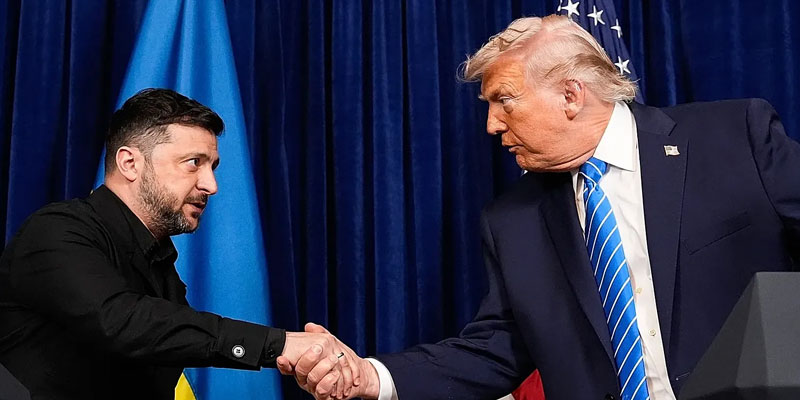
On the Russia-Ukraine war, Trump again presented negotiations as the preferred route to ending the conflict. He said Washington was working with both Moscow and Kyiv and expressed confidence that an agreement could be reached sooner than expected.
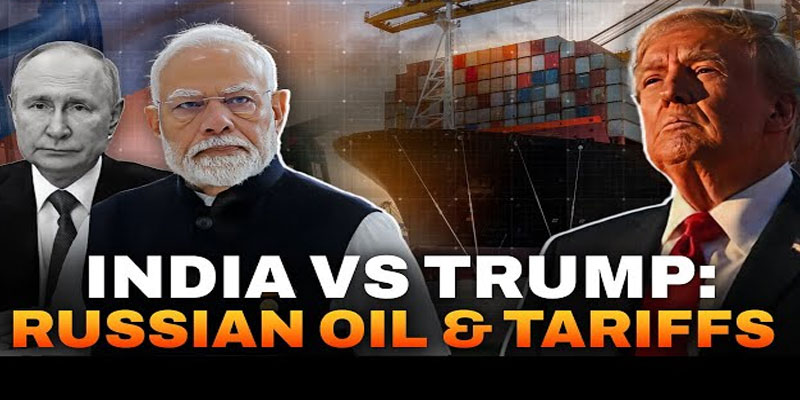
The emphasis on a settlement matter for India because prolonged conflict continues to affect energy markets, food supplies, defence calculations and the broader global economy. India has consistently advocated dialogue and diplomacy while maintaining strategic relations with both Russia and the West.
AI Becomes a Contest for Global Power
Artificial intelligence emerged as another major theme. Trump said Washington would increasingly refer to AI as “super intelligence”, arguing that the technology could surpass the impact of the Industrial Revolution. He rejected broad international regulation that could, in his view, slow innovation and claimed that the United States was substantially ahead of China.
For India, the message reinforces the importance of expanding domestic computing capacity, semiconductor manufacturing, digital infrastructure, AI research and skilled talent while maintaining engagement with both US technology ecosystems and emerging global governance frameworks.
Trump Takes Aim at the UN and Global Institutions
Trump also challenged elements of the multilateral system. He praised reductions in the UN budget and bureaucracy but argued that the organisation should not promote what he described as a “globalist” agenda. He was particularly critical of the International Criminal Court and urged its member states to withdraw.
This approach places greater emphasis on national sovereignty and US freedom of action rather than international institutional constraints.
India’s Strategic Interests Come into Focus
Trump’s endorsement of the India-Middle East-Europe Economic Corridor (IMEC) is particularly relevant for New Delhi. He argued that regional energy infrastructure should be diversified away from routes vulnerable to Iranian pressure and backed IMEC as part of that strategy.
India has already identified IMEC as a major connectivity initiative linking India with the Gulf and Europe through maritime and rail networks.
A UN Speech With Wider Strategic Consequences
Trump’s UNGA address ultimately presented a clear picture of US priorities: pressure on Iran, accelerated diplomacy over Ukraine, technological competition with China and greater resistance to international constraints. For India, the consequences extend across energy security, maritime connectivity, AI, trade and strategic autonomy.
The significance of the speech will depend less on its rhetoric than on what follows—whether Iran negotiations produce stability, whether Ukraine diplomacy delivers progress, and whether US-led technology and connectivity initiatives translate into durable international partnerships.
(With agency inputs)