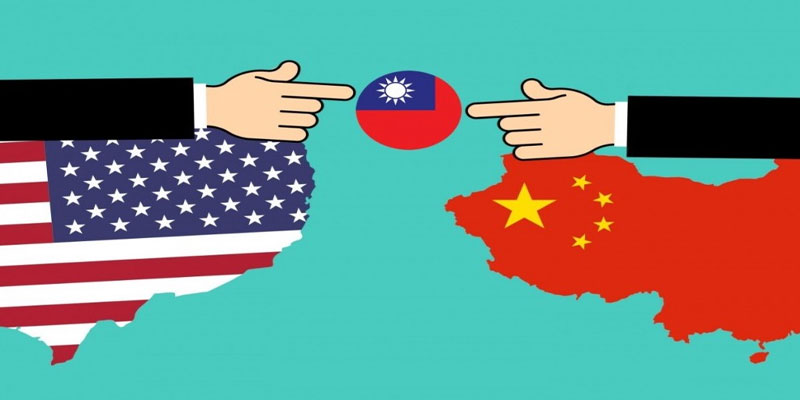
The United States and Taiwan have concluded a significant bilateral trade arrangement aimed at reshaping commercial ties and reinforcing supply-chain resilience. Finalised in February 2026 through the American Institute in Taiwan, the agreement arrives at a time of heightened geopolitical competition in the Indo-Pacific and evolving protectionist trends in global trade policy. By reducing barriers and committing to large-scale purchases of American goods, Taipei and Washington have signalled a deeper economic partnership that extends beyond conventional commerce into strategic industries.
Tariff Adjustments and Market Access
At the heart of the deal lies a broad tariff overhaul. Taiwan has agreed to remove or substantially cut duties on nearly all-American imports, opening its market to US agricultural products, automobiles, medical equipment, and industrial goods. This move effectively grants American exporters preferential access and reduces longstanding regulatory obstacles.
In contrast, Washington will maintain a 15% tariff on imports from Taiwan, a reduction from earlier higher rates but still indicative of a cautious approach toward domestic manufacturing protection. The asymmetry reflects US priorities: expanding export opportunities while retaining leverage over imports. Nonetheless, the lowered tariff ceiling provides Taiwanese exporters with greater predictability and reduces the risk of sharper trade penalties.
Major Purchase Commitments
Taipei has pledged to procure approximately $85 billion worth of American products over the next four years. These commitments are heavily weighted toward energy imports—including liquefied natural gas and crude oil—alongside aircraft, engines, and industrial machinery. The purchases are expected to diversify Taiwan’s energy supply, support American manufacturing sectors, and deepen long-term commercial interdependence.
Beyond trade flows, the arrangement is also linked to substantial Taiwanese investments in US technology and infrastructure sectors. These include expanded collaboration in semiconductors, energy systems, and artificial intelligence, underscoring the agreement’s strategic dimension.
Implications for the Semiconductor Sector
The deal carries significant consequences for Taiwan’s globally dominant semiconductor industry, led by firms such as TSMC. Semiconductors—constituting a major share of Taiwan’s exports—are largely shielded from steep tariff increases under the new framework. By keeping duties on advanced chips relatively moderate and providing certain exemptions tied to US fabrication investments, the agreement protects Taiwan’s critical technology sector from disruptive trade barriers.
At the same time, the pact encourages Taiwanese chipmakers to expand manufacturing capacity in the United States. This aligns with Washington’s broader strategy to localise advanced semiconductor production for national security and supply-chain resilience. While such expansion strengthens bilateral technological integration, it also raises long-term questions about whether Taiwan’s dominance in leading-edge fabrication could gradually erode as production footprints shift abroad.
Strategic and Economic Considerations
For the United States, the agreement secures new markets for energy, aviation, and industrial exports while strengthening ties with a key partner in advanced technology. For Taiwan, it ensures continued access to the American market and reinforces political and economic support amid regional security pressures.
However, the deal is not without risks. Increased import commitments may strain Taiwan’s fiscal balance, and potential retaliation from China remains a concern given Beijing’s opposition to closer US–Taiwan ties. The arrangement therefore reflects both economic pragmatism and strategic calculation.
Trade as Strategy in a Fragmented Order
The US–Taiwan trade agreement illustrates how commerce and geopolitics are increasingly intertwined. By lowering tariffs, expanding purchases, and reinforcing semiconductor cooperation, the pact strengthens bilateral economic alignment while hedging against supply-chain disruptions. For Taiwan, the agreement offers protection and partnership but also accelerates structural shifts in its core industries. For Washington, it underscores a broader strategy of building resilient alliances through trade. Together, the two sides have crafted an arrangement that is as much about strategic stability as it is about market access.
(With agency inputs)