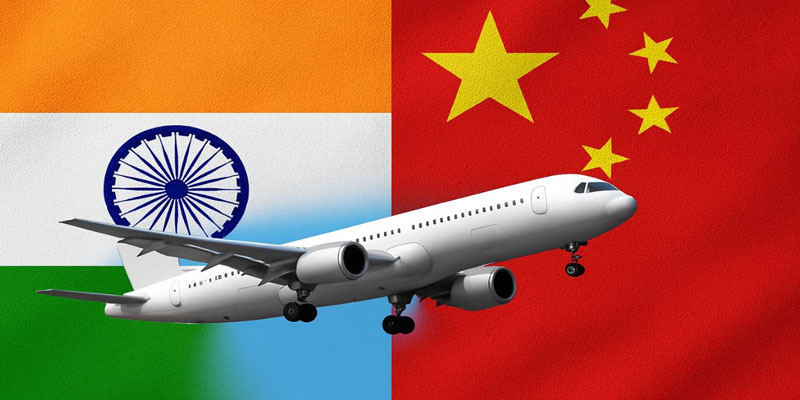
Air India is set to restart non-stop flights between New Delhi and Shanghai from February 1, 2026, nearly six years after suspension. This move marks a milestone in restoring India-China air connectivity, following disruptions caused by the COVID-19 pandemic and heightened geopolitical tensions. Air India also plans to launch a Mumbai-Shanghai route later in 2026, subject to regulatory approvals, reflecting cautious optimism about the gradual revival of bilateral travel and trade links.
The Cause of Suspension
Direct flights between India and China were largely halted in early 2020 amid the COVID-19 pandemic to limit international travel and contain virus spread. The situation was compounded by violent border clashes along the Line of Actual Control (LAC) in June 2020, resulting in loss of lives and heightened diplomatic friction. These developments led to curtailed passenger and cargo flights, strict visa restrictions for Chinese nationals, and broader regulatory controls. India also restricted investments from China and banned several apps, signaling a cautious decoupling approach driven by national security and geopolitical considerations. Despite China’s eagerness to resume air links, India maintained a measured stance, balancing commercial interests with strategic sensitivities.
Economic and Strategic Implications
The resumption of direct flights carries significant economic and strategic weight. The Delhi-Shanghai route reconnects two major economic hubs, facilitating trade, investment, and people-to-people exchanges. Business travelers, students, and tourists will benefit from faster, more reliable connectivity, enhancing sectors such as technology, pharmaceuticals, e-commerce, education, and manufacturing. Cargo logistics are also expected to improve, potentially boosting bilateral trade volumes and reducing transit times for critical shipments.
Tourism, a sector severely impacted by the pandemic, is poised for revival as direct flights make cultural, heritage, and wellness destinations more accessible. This could provide a much-needed boost to airlines, hotels, travel agencies, and ancillary services, catering to the pent-up demand from both countries.
From a diplomatic perspective, resuming flights signals a pragmatic thaw in strained relations. While geopolitical disputes persist, reopening air corridors demonstrates a willingness to compartmentalize challenges, rebuild dialogue, and strengthen economic and cultural linkages. It reflects growing commercial confidence and sets a framework for broader cooperation amid strategic rivalry and mutual economic dependence. Regulatory authorities and airlines will soon finalize schedules, frequencies, and operational slots, with passenger bookings expected to open across multiple channels.
A Step Toward Rebuilding Bilateral Ties
Air India’s planned February 2026 restart of non-stop flights to Shanghai is more than a transportation initiative; it is a strategic and economic milestone. Following nearly six years of suspension due to pandemic restrictions and border tensions, the move is expected to facilitate trade, tourism, student mobility, and commercial exchanges. By reconnecting India and China through reliable air services, the resumption signals cautious diplomatic thawing and reinforces economic interdependence. As connectivity expands, it promises broad benefits across multiple sectors, underscoring India’s intent to engage strategically and commercially with one of its most significant global partners.
(With agency inputs)