Bangladesh is holding its first contested presidential election in 35 years, with lawmakers voting today to choose a successor to former President Mohammed Shahabuddin. Although the presidency is largely ceremonial, the unusual contest carries considerable political significance as Bangladesh navigates its post-Hasina transition. The election is also an early test of whether the new parliamentary order can convert its electoral mandate into stable constitutional institutions and orderly transfers of power.
A Presidential Contest After Three Decades
Bangladesh elects its president indirectly, with members of the Jatiya Sangsad casting ballots rather than the public voting directly. The Constitution requires an election within 90 days when the presidency becomes vacant.
Shahabuddin resigned on July 24, citing health reasons, before completing his five-year term. His departure carried political significance because he had been elected during the Awami League government and was regarded as close to former Prime Minister Sheikh Hasina, whose political era ended amid the country's dramatic transition.
Parliamentary Speaker Hafiz Uddin Ahmad subsequently assumed presidential functions as acting president. The Election Commission scheduled the presidential election for August 20, with candidates requiring support from at least two lawmakers.
Why This Election Is Historically Significant
Presidential elections in Bangladesh have generally been uncontested since 1991, reflecting the dominance of parliamentary majorities and political consensus around individual candidates. The return of an actual ballot therefore represents an unusual moment for an office that has traditionally changed hands without a competitive vote.
The development is particularly important in the aftermath of the political upheaval surrounding the fall of the Hasina government. A contested parliamentary presidential election offers the new political establishment an opportunity to demonstrate that constitutional mechanisms, rather than political expediency, are guiding the transition.
Voting Begins with BNP Favourite
Voting began at 2 pm local time in Parliament's session chamber and is scheduled to continue until 5 pm. As many as 349 lawmakers are eligible to participate, with the Chief Election Commissioner overseeing the process. The result is expected to be formally notified through the official gazette, with the president-elect scheduled to take oath at Bangabhaban on Friday evening.
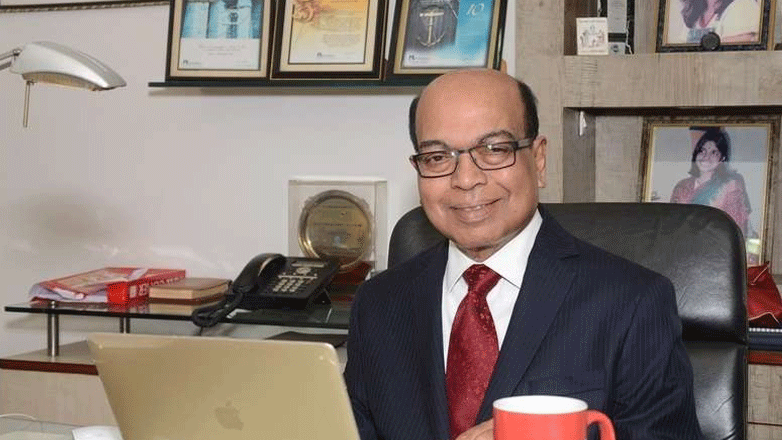
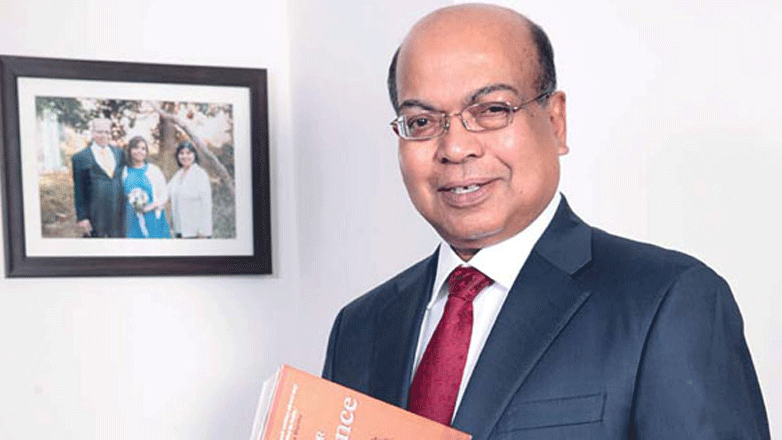
The contest is between BNP nominee Mirza Fakhrul Islam Alamgir, 78, and retired Colonel Oli Ahmed, 84, chairman of the Liberal Democratic Party and nominee of the Jamaat-e-Islami-led 11-party opposition alliance.
Fakhrul is widely considered the clear favourite because the BNP and its allies possess the parliamentary numbers needed to secure victory. Consequently, the contest is expected to generate greater political significance through its process than through uncertainty over its likely outcome.
More Than a Ceremonial Office
While Bangladesh's president normally exercises limited executive authority, the office can assume greater constitutional importance during periods of political instability, government formation disputes or transitional arrangements.
A Fakhrul victory would further consolidate BNP influence across Bangladesh's political and institutional establishment. For the opposition, however, participating in the ballot provides an opportunity to establish a visible alternative voice within the country's emerging political framework.
The Real Test Is Constitutional Stability
The significance of Bangladesh's presidential election extends beyond the identity of its winner. After years of intense political polarisation and the dramatic departure of the Hasina era, an orderly and transparent vote could help restore confidence in constitutional procedures. The larger challenge is whether today's competitive ballot becomes evidence of a broader institutional reset—one in which political power changes hands through established rules rather than extraordinary upheaval. For Bangladesh, the credibility of the transition may ultimately matter more than the result itself.
(With agency inputs)