A Region on Edge
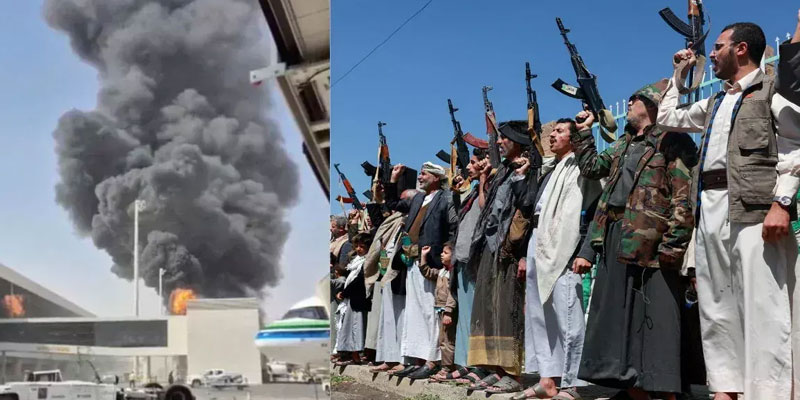
Tensions between Pakistan and Afghanistan have once again erupted into open conflict, marking one of the most volatile escalations since the Taliban’s return to power in 2021. The borderlands, already scarred by decades of insurgency and mistrust, are witnessing fierce battles reminiscent of wartime hostilities. Both Islamabad and Kabul are trading accusations of unprovoked attacks, while each side claims heavy casualties and military victories. The latest clashes highlight not only the fragility of regional peace but also the deep-rooted grievances that have simmered for over a year across the porous Durand Line.
Fresh Fighting Along the Border
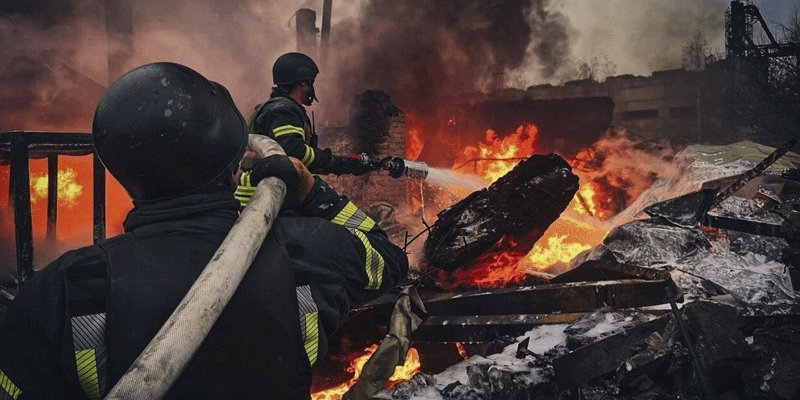
According to Pakistani state broadcaster PTV News, heavy fighting broke out late Tuesday night in Kurram district of Khyber Pakhtunkhwa province. Pakistan accused the Afghan Taliban and militants of the Tehreek-e-Taliban Pakistan (TTP) — whom Islamabad labels “Fitna al-Khawarij” — of launching “unprovoked fire.” In response, the Pakistani Army retaliated “with full force,” reportedly destroying multiple Taliban posts and tank positions, including those at Shamsadar post.
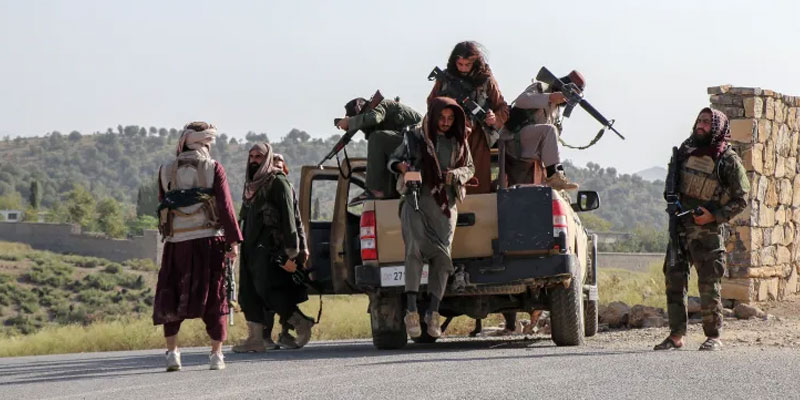
However, the Taliban’s version sharply contradicts this narrative. Spokesperson Zabihullah Mujahid claimed that Pakistan carried out “aggressive attacks” in Afghanistan’s Spin Boldak district using heavy weaponry, killing at least 12 civilians and wounding over 100. He said Afghan forces were “compelled to retaliate,” capturing Pakistani posts, weapons, and tanks. Videos shared online purportedly show Taliban fighters driving what they claim to be captured Pakistani military vehicles.
Cycle of Retaliation and Blame
The recent hostilities come just days after a deadly exchange that left 23 Pakistani soldiers dead, according to Pakistan’s military media wing, the Inter-Services Public Relations (ISPR). Islamabad says it launched retaliatory operations that killed over 200 Taliban and affiliated militants. Kabul counters that the Pakistani assault was preceded by airstrikes inside Afghan territory, which Islamabad has not officially confirmed.
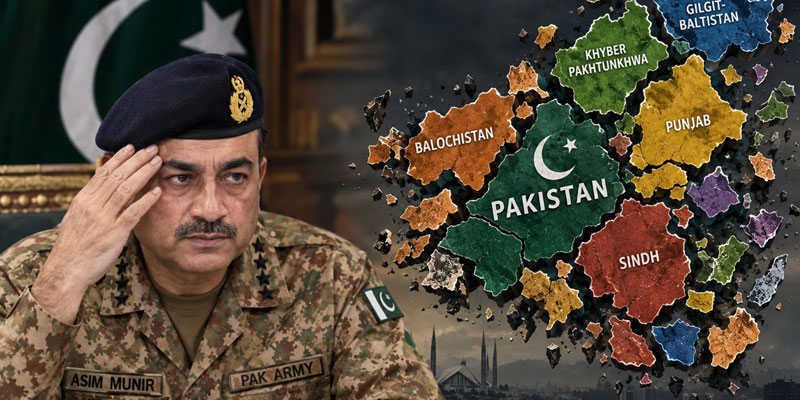
Pakistan’s Foreign Secretary Amna Baloch briefed diplomats in Islamabad, emphasizing that Pakistan has “legitimate security concerns” and will not tolerate violations of its sovereignty. The Foreign Office reiterated its demand that the Taliban government “stop harbouring the TTP on Afghan soil.”
Kabul, however, continues to reject these accusations, insisting that Afghan territory is not being used for attacks against any neighbour and that Pakistan’s repeated cross-border strikes are “provocations violating Afghan sovereignty.”
A Year of Border Disputes and Diplomatic Stalemates
This escalation follows a year of intensifying disputes along the Durand Line — a boundary Afghanistan has never formally recognized. Clashes have erupted periodically since 2022, particularly after Pakistan began fencing parts of the border and conducting counterterrorism operations.
Efforts at mediation by regional players such as China and Qatar have so far yielded little progress. While Beijing, invested heavily through the China-Pakistan Economic Corridor (CPEC), has urged restraint, neither side appears willing to compromise amid growing domestic pressures and mutual distrust.
Both countries accuse each other of undermining security: Pakistan blames the Taliban for sheltering the TTP, while Kabul accuses Islamabad of violating Afghan airspace and supporting anti-Taliban factions.
The Road Ahead
The escalating violence underscores how fragile the post-2021 regional balance has become. What began as sporadic skirmishes now risks spiralling into sustained confrontation, threatening not only bilateral relations but also regional stability.
For lasting peace, analysts argue, both Islamabad and Kabul must pursue dialogue through multilateral channels such as the Shanghai Cooperation Organisation (SCO) or UN-backed mediation. A durable ceasefire and intelligence-sharing framework could help curb cross-border militancy and rebuild trust.
Until then, the gunfire along the border serves as a grim reminder that without political will and regional cooperation, the shadow of conflict will continue to haunt South Asia’s most volatile frontier.
(With agency inputs)