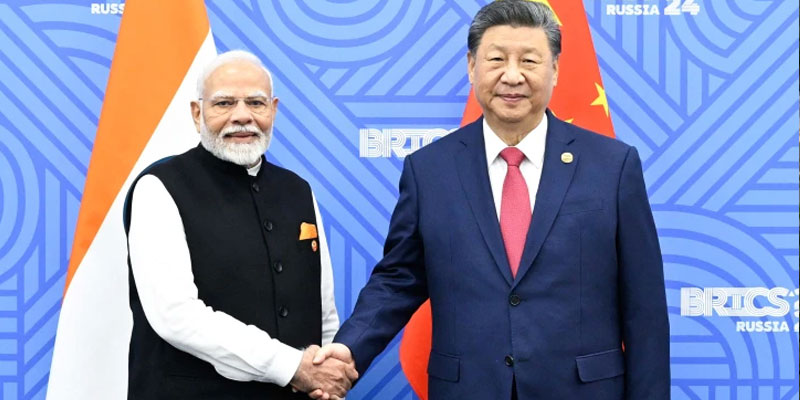
Prime Minister Narendra Modi and Chinese President Xi Jinping met in Tianjin, China, on Sunday in a bid to reset relations strained since the 2020 Galwan Valley clashes. Both leaders underlined the need for India and China to act as “good friends and neighbours,” especially as global markets grapple with economic uncertainty triggered by U.S. President Donald Trump’s tariff offensive.
Modi, on his first visit to China in seven years, announced the resumption of Kailash Mansarovar Yatra and direct flights between the two countries. “Our cooperation is linked to the interests of 2.8 billion people of our two countries,” he said.
Xi echoed the sentiment, calling India and China “civilizational giants” with a key role in the Global South. “It is essential for the dragon and the elephant to come together,” he stressed.
The timing is significant: India, China, and Russia—all facing Trump’s sweeping tariffs and sanctions—together represent nearly one-fourth of global GDP in nominal terms, giving them considerable leverage.
Modi recalled his “productive discussions” with Xi at the 2024 BRICS summit in Kazan, which led to a breakthrough in border disengagement and fresh agreements on border management. Recent Chinese commitments on rare earths, fertilizers, and other critical supplies also point toward warming ties.
Foreign Minister Wang Yi’s visit to New Delhi earlier this year reinforced these efforts, signaling Beijing’s intent to stabilize relations.
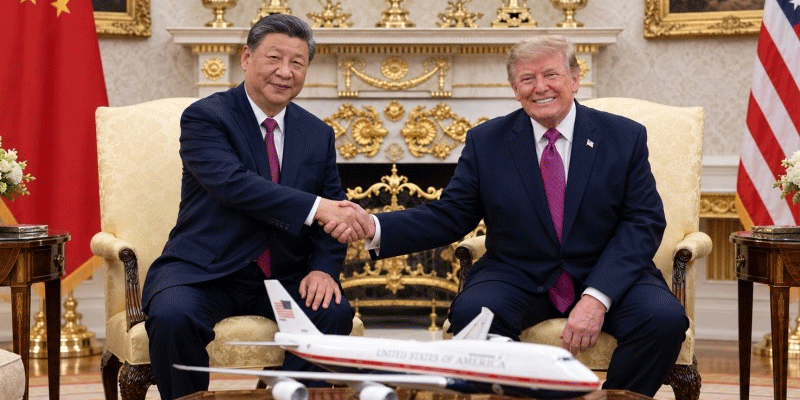
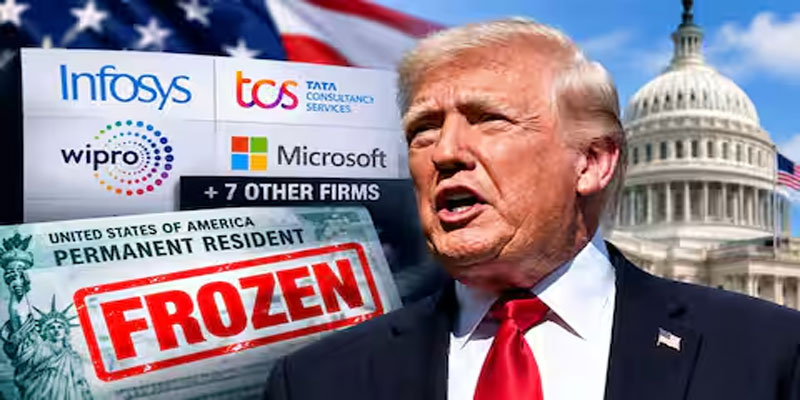
Trump’s latest tariff hikes—50% on Indian exports over Russian oil trade and 30% on Chinese goods—have further intensified the need for regional cooperation. Modi is also set to meet Russian President Vladimir Putin, underlining the strategic importance of India-China-Russia alignment in countering U.S. economic pressure.