India in Active FTA Talks with Six Countries
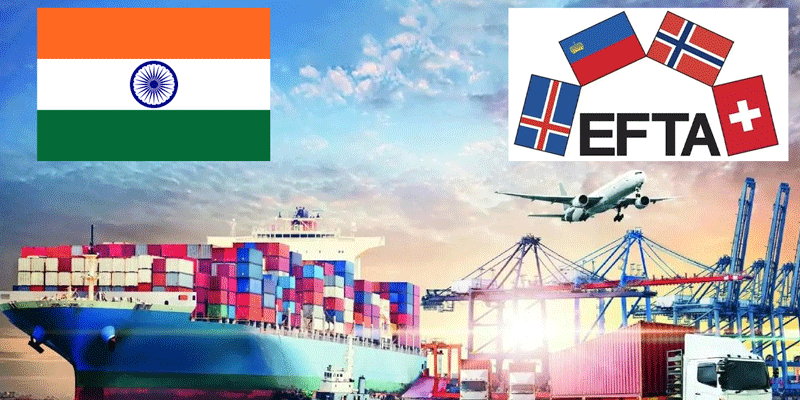
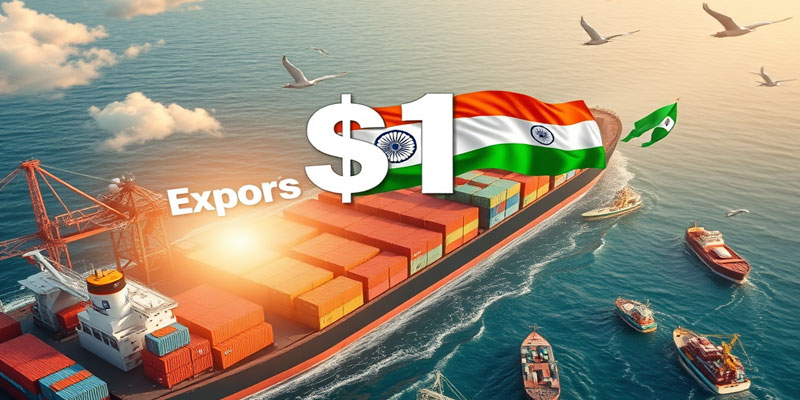
India is intensifying its trade diplomacy as it negotiates new Free Trade Agreements (FTAs) with six partners—Australia, Sri Lanka, Peru, Chile, Israel and the Eurasian Economic Union (EAEU). The effort, led by the Ministry of Commerce and Industry, aims to expand market access for Indian goods and services while helping the country achieve its ambitious goal of $1 trillion in exports by 2030.
These negotiations are part of a broader trade strategy aligned with India’s long-term development vision and its effort to diversify global supply chains. By strengthening trade partnerships across regions—from Latin America and the Middle East to Eurasia—New Delhi hopes to secure new markets for sectors such as textiles, pharmaceuticals, information technology, automobiles and engineering goods.
Status of Negotiations and Expected Timelines
Among the ongoing discussions, the Comprehensive Economic Cooperation Agreement (CECA) with Australia is one of the most advanced. India and Australia have already completed more than eleven rounds of negotiations since 2023 to expand the interim trade agreement signed earlier. However, differences remain over agricultural market access and services mobility. Officials expect a full CECA to be concluded within the next one to two years if negotiations continue at the current pace.
Negotiations with Sri Lanka under the proposed Economic and Technology Cooperation Agreement (ETCA) have been underway since 2015 but gained renewed momentum after being revived in 2023. With fourteen rounds of discussions completed, both countries aim to finalise a framework agreement by around 2027, although political sensitivities in Sri Lanka may influence the timeline.
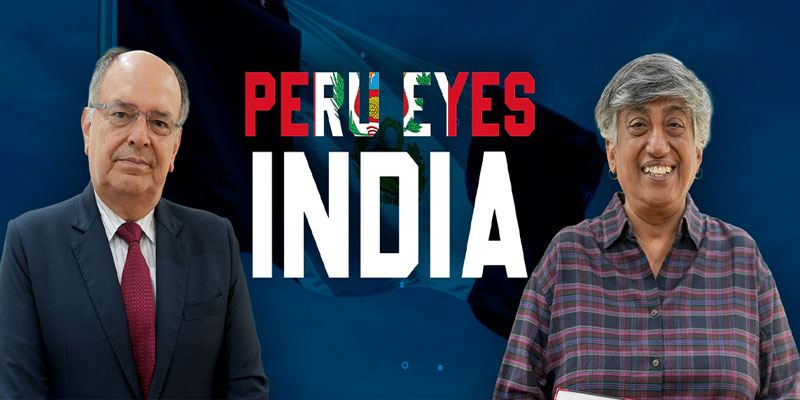
India’s FTA talks with Peru began in 2017 and have completed nine negotiation rounds so far. Officials expect significant progress during the next rounds scheduled through 2026, with a potential conclusion targeted by late 2026 or early 2027.
Similarly, negotiations for a Comprehensive Economic Partnership Agreement (CEPA) with Chile are relatively recent but progressing quickly. Talks began in 2025 and are expected to move toward finalisation within the next two years, potentially expanding trade in minerals, agriculture and services.
India has also initiated its first round of discussions with the Eurasian Economic Union—comprising Russia, Belarus, Armenia, Kazakhstan and Kyrgyzstan. Given the complexity of negotiating with a multi-country bloc, experts believe the process may take three to four years before a final agreement is signed.
Meanwhile, exploratory talks with Israel began in early 2026. A bilateral FTA has been under consideration for years, particularly to strengthen cooperation in technology, defence manufacturing and agriculture.
Why FTAs Matter for India’s Trade Strategy
India already has over a dozen trade agreements in force with regions such as ASEAN and countries including Japan, South Korea and the UAE. The United Arab Emirates agreement signed in 2022 has been particularly successful, boosting exports of gems, jewellery and petroleum products.
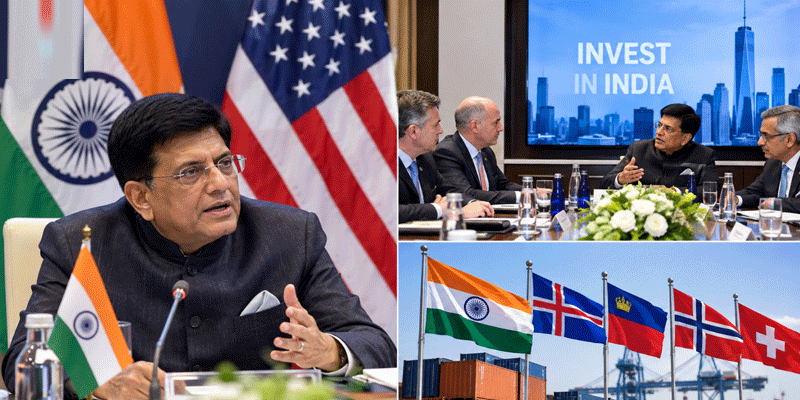
New FTAs are expected to reduce tariffs on goods to as low as 0–5 percent in many sectors, making Indian exports more competitive. They can also encourage foreign investment, expand supply chains and create employment in export-driven industries.
Strategically, India’s trade expansion also reflects its attempt to reduce overdependence on any single market and strengthen economic partnerships across multiple regions.
Building a Global Trade Network
India’s ongoing FTA negotiations represent a crucial step in reshaping its role in global trade. By forging agreements with partners across Asia, Latin America and Eurasia, New Delhi is working to widen market access and position its industries within global value chains.
While negotiations are often complex and time-consuming, successful agreements could significantly expand India’s export capacity and strengthen economic resilience. If concluded effectively, these deals may play a decisive role in helping India achieve its long-term ambition of becoming a major global trading power.
(With agency inputs)