Jaishankar’s Diplomacy Keeps India’s Oil Flowing
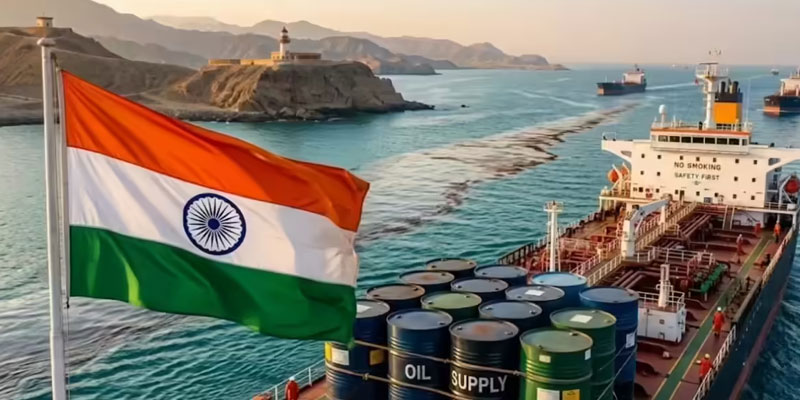
Amid rising tensions in the Gulf and fears of a global energy disruption, India has secured crucial assurances for its oil shipments through one of the world’s most strategic waterways. External Affairs Minister S. Jaishankar held a key conversation with Iranian Foreign Minister Abbas Araghchi, resulting in Tehran allowing safe passage for Indian oil tankers through the Strait of Hormuz.
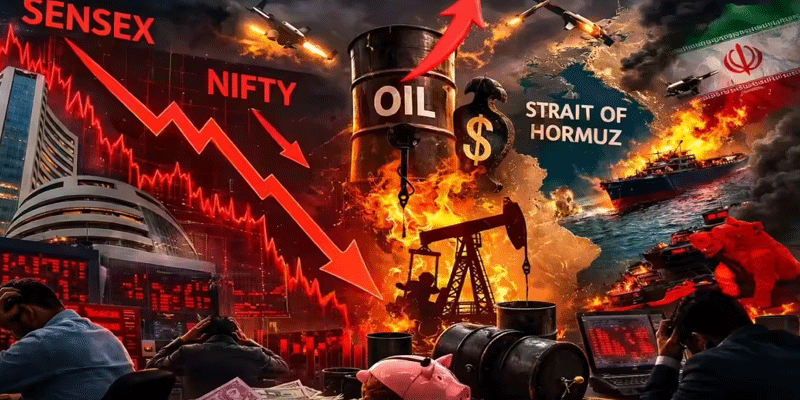
The diplomatic outreach comes as the ongoing conflict involving Iran, Israel, and the United States threatens global energy routes. Iran has reportedly imposed restrictions on several foreign vessels passing through the strait, a development that raised alarms in energy-importing countries. For India, which depends heavily on Gulf oil, the assurance represents a critical lifeline to prevent supply shocks.
The Strait of Hormuz: A Strategic Chokepoint
The Strait of Hormuz is one of the most vital energy corridors in the world. Roughly 13 million barrels of oil pass through the narrow waterway each day—about 30 percent of global seaborne crude trade. Any disruption here can quickly ripple across global markets.
Recent hostilities have made navigation increasingly risky. Reports of ship interceptions, radar disruptions, and maritime strikes have intensified fears of a partial blockade. In one notable case, the Liberian-flagged tanker Shenlong, carrying more than 135,000 metric tonnes of Saudi crude from Ras Tanura and captained by an Indian national, briefly vanished from tracking systems before safely docking in Mumbai. Such evasive tactics highlight the growing security challenges facing oil transport in the region.
Insurance costs for vessels transiting the area have surged, discouraging many Western-linked carriers from entering the route. Without diplomatic assurances, India’s energy imports could have faced severe delays or shortages.
India’s Energy Vulnerability
India remains the world’s third-largest oil importer, relying on overseas suppliers for nearly 88 percent of its crude needs. A significant portion—over 40 percent—comes from Gulf producers such as Saudi Arabia, Iraq, and the United Arab Emirates, all of whose exports travel through Hormuz.
Even minor disruptions can have major economic consequences. Analysts estimate that every one-dollar rise in crude prices adds billions to India’s annual import bill while pushing inflation higher. Oil prices nearing $80 per barrel have already strained sectors such as aviation and logistics while putting pressure on the rupee.
At the same time, India’s strategic projects in Iran—including development of the Chabahar Port—add another dimension to New Delhi’s interest in maintaining stable relations with Tehran despite broader geopolitical tensions.
Diplomacy and Multi-Alignment Strategy
India’s success in securing tanker passage highlights its pragmatic foreign policy approach. By maintaining dialogue with multiple power centers—including partners in the Quadrilateral Security Dialogue—while engaging Iran through regional forums such as the Shanghai Cooperation Organisation and the Organisation of Islamic Cooperation, New Delhi has positioned itself as a neutral interlocutor rather than a participant in the conflict.
This balancing act allows India to safeguard economic interests without becoming entangled in the region’s escalating hostilities.
Diplomacy as India’s Energy Shield
The assurance of safe passage through the Strait of Hormuz underscores how strategic diplomacy can protect national interests during geopolitical crises. For India, uninterrupted oil flows are not just an economic necessity but a matter of energy security.
While the current arrangement provides temporary relief, the conflict in West Asia continues to threaten global supply chains and energy markets. In the long term, India will need to accelerate diversification of energy sources, expand strategic reserves, and deepen partnerships with multiple suppliers. For now, however, deft diplomacy has ensured that one of the world’s most critical oil lifelines remains open for India.
(With agency inputs)