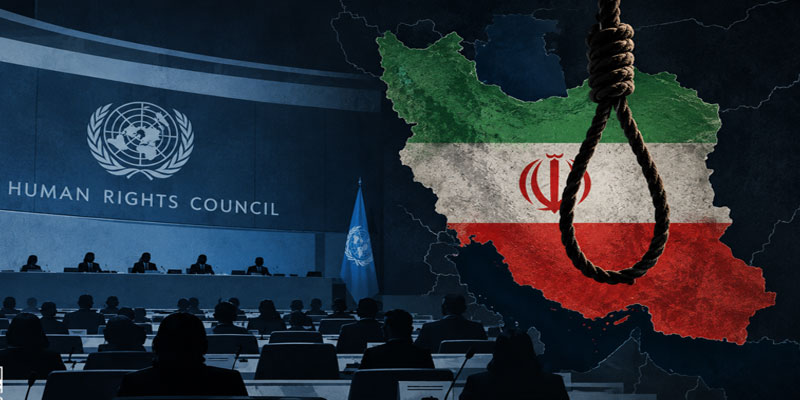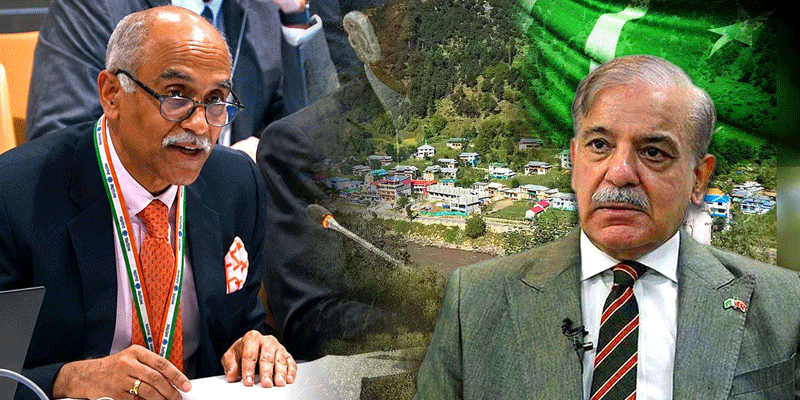
“Terror, theatrics won’t repay loans” became the sharpest message from India at the UN Human Rights Council in Geneva, as diplomat Kshitij Tyagi turned Pakistan’s allegations on Jammu and Kashmir back on Islamabad. Exercising India’s right of reply, Tyagi challenged Pakistan’s Kashmir narrative, raised concerns over Pakistan-occupied Jammu and Kashmir, recalled the exodus of Kashmiri Pandits and questioned Islamabad’s record on minorities and economic governance.
Kashmir Remains Central to the Exchange
The latest confrontation follows the familiar India-Pakistan pattern at international forums, with Islamabad raising allegations concerning human rights in Indian-administered Jammu and Kashmir and New Delhi rejecting the premise.
Tyagi reiterated India’s position that Jammu and Kashmir is an integral and inalienable part of India and called on Pakistan to vacate the territory under its control. He characterised Pakistan’s arguments as involving historical revisionism and disputed statistics.
PoK, Civilian Protests and Humanitarian Concerns
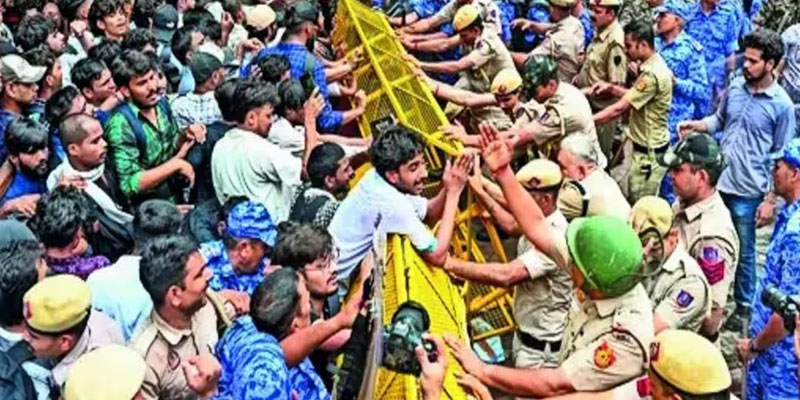
India specifically highlighted developments in Pakistan-occupied Jammu and Kashmir. Tyagi referred to reports presented before the Council concerning civilian deaths since June, arrests of students in Islamabad and Rawalpindi, and restrictions affecting essential supplies such as food and medicine.
India argued that these issues warranted scrutiny when Pakistan itself was seeking international attention on Kashmir. The exchange consequently widened from the territorial dispute to questions about governance, civil liberties and humanitarian conditions.
Kashmiri Pandit Exodus Becomes a Key Counterargument
One of the strongest elements of India’s response was its reference to the 1990 exodus of Kashmiri Pandits.
Tyagi said Kashmiri Pandits were driven from their homes by terrorists whom India alleges were armed, trained and supported by Pakistan. He further argued that the same terrorist networks subsequently killed Kashmiris belonging to different faiths, including Muslims.
India used the historical reference to challenge what it described as Pakistan’s attempt to present itself as an advocate of Kashmiri human rights while ignoring the consequences of terrorism and violence.
India Raises Pakistan’s Minority Record
New Delhi also highlighted alleged discrimination and persecution affecting religious and sectarian minorities in Pakistan, including Hindus, Sikhs, Christians, Shias, Ahmadis, Ismailis and Hazaras. Tyagi cited concerns over forced conversions, attacks on places of worship and the use of blasphemy laws against minorities.
These allegations formed part of India’s broader argument that Islamabad should address its domestic human-rights concerns before repeatedly raising similar accusations against India.
The Economic Message Behind the Sharp Remark
The most politically pointed element was Tyagi’s reference to Pakistan’s debt-dependent economy. He argued that Islamabad would better serve its people by concentrating on development rather than territorial claims or what India described as support for terrorism.
His conclusion was deliberately direct: neither terrorism nor “theatrics” at the Council would help Pakistan repay the loans on which its economy depends.
Geneva Becomes Another Battleground
The UNHRC exchange demonstrates how Kashmir remains an enduring diplomatic contest between the two neighbours. Pakistan continues to use international forums to highlight its concerns over Kashmir, while India seeks to counter those claims by focusing attention on terrorism, PoK and Pakistan’s domestic record.
Beyond Rhetoric, The Real Test Remains
The latest confrontation has produced no new pathway towards resolving the India-Pakistan dispute. Instead, Geneva once again became a platform for competing narratives over Kashmir, terrorism and human rights.
For India, Tyagi’s intervention was designed to make one message unmistakable: any discussion of Kashmir, in New Delhi’s view, cannot be separated from terrorism, the Kashmiri Pandit exodus, conditions in PoK and Pakistan’s own human-rights record. The diplomatic battle may continue, but the deeper challenge remains finding conditions under which rhetoric can give way to substantive regional stability.
(With agency inputs)