A Widening Conflict Across the Gulf
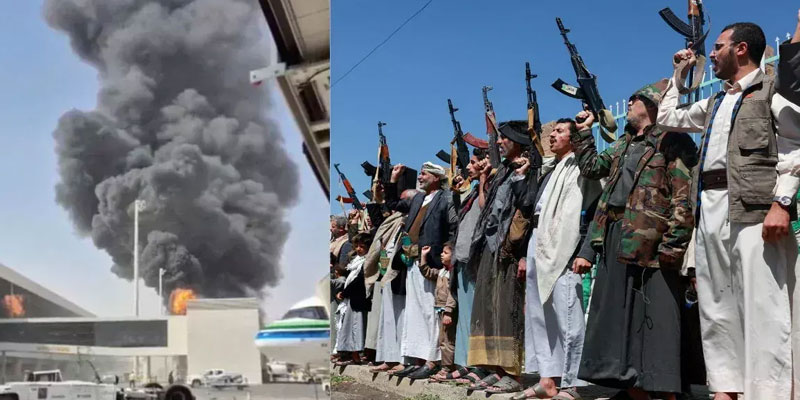
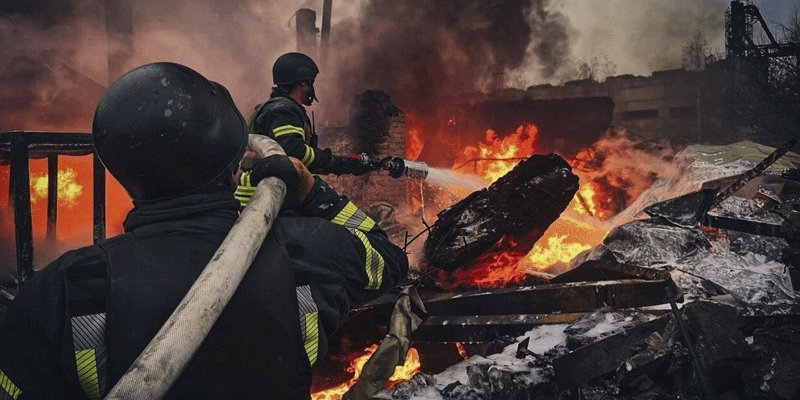
More than 200 American troops have been injured after a series of Iranian missile and drone strikes targeted US positions across the Gulf, marking a sharp escalation in the ongoing conflict between Iran and the United States. The attacks, described as precise and coordinated, have hit multiple locations simultaneously, exposing the geographic spread and intensity of the confrontation now entering its third week.
Where US Troops Were Hit
According to US military officials, the injured personnel were stationed across a wide arc of strategic locations, including Bahrain, Iraq, Israel, Jordan, Kuwait, Saudi Arabia, and the United Arab Emirates.
These locations host key American military bases, logistics hubs, and forward-operating positions critical to US operations in West Asia. The dispersed nature of these deployments, while strategically advantageous, has also made them vulnerable to Iran’s asymmetric warfare tactics.
Most injuries have been classified as minor, with many troops already returning to duty. However, several cases involve serious trauma, including delayed-onset brain injuries—a growing concern in modern missile and drone warfare.
US Casualties: Beyond the Numbers
The human cost for the United States is steadily rising. Alongside the injured, at least 13 American personnel have been confirmed dead, including casualties from direct strikes and a military aircraft crash in Iraq.
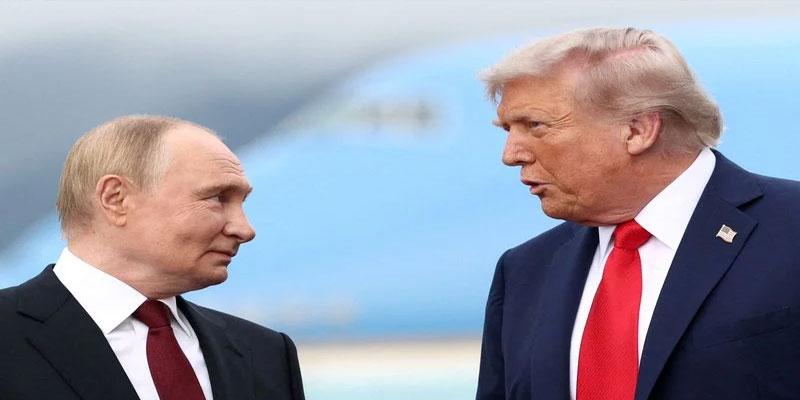
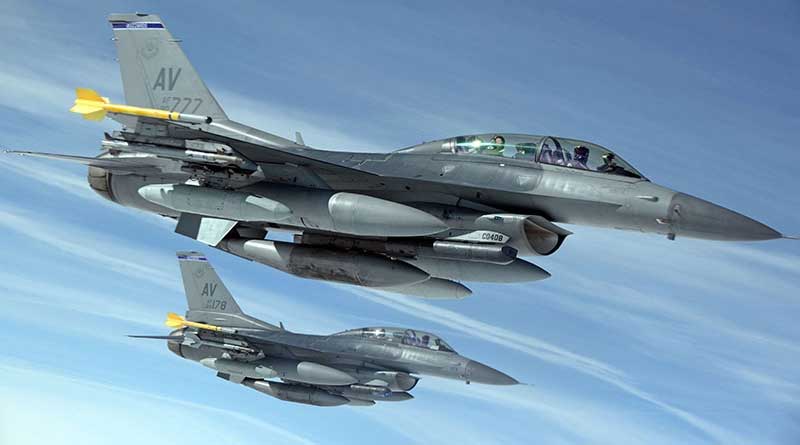
The escalation follows the announcement of expanded combat operations under Donald Trump, which intensified joint US-Israeli targeting of Iranian military infrastructure. In response, Iran has leveraged drones and missiles to strike back without engaging in direct ground conflict, inflicting both physical and psychological strain on US forces.
These attacks highlight vulnerabilities in air defence systems, particularly against low-cost, high-impact drone technology capable of bypassing traditional interception methods.
Iran’s Losses and Strategic Response
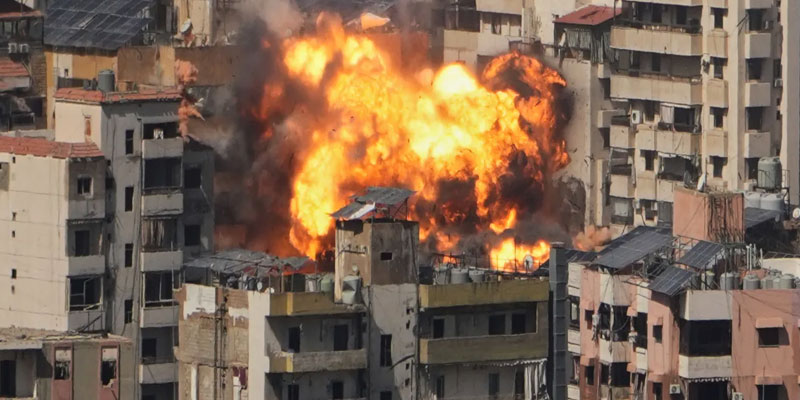
While Iran has demonstrated offensive capability, it has also borne a far heavier human toll. Official figures suggest over 2,000 people have been killed, including around 200 women and 200 children, with more than 10,000 injured due to sustained US and Israeli airstrikes.
Key infrastructure, including energy facilities such as Kharg Island, remains under threat, further compounding economic and civilian distress.
Tehran’s retaliatory strikes are not merely tactical—they serve a broader strategic purpose. By targeting US positions across multiple countries, Iran aims to signal deterrence, demonstrate regional reach, and rally domestic support amid mounting casualties at home.
Strategic Stakes and Regional Fallout
The conflict has rapidly evolved into a multi-front confrontation with significant global implications. The proximity of hostilities to critical energy routes, particularly the Strait of Hormuz, raises fears of supply disruptions and rising oil prices.
Regional allies of the US, including Gulf states, now find themselves in a precarious position—supporting Washington’s operations while bracing for potential retaliatory fallout. The risk of proxy groups opening secondary fronts further complicates an already volatile situation.
A Conflict with No Easy Exit
The rising toll on both sides underscores the dangerous trajectory of the US-Iran conflict. While Iran’s strikes have exposed vulnerabilities in US deployments, the scale of civilian losses within Iran highlights the devastating cost of sustained escalation.
With neither side showing willingness to de-escalate, the conflict risks expanding further, drawing in more actors and deepening regional instability. Ultimately, the path forward hinges not on military superiority alone, but on the political will to step back from the brink—before the human and strategic costs become irreversible.
(With agency inputs)