Ceasefire Revives Hopes for Regional De-escalation
Israel and Lebanon have agreed to a ceasefire along their volatile border, a move welcomed by the Trump administration as a potential catalyst for broader Middle East diplomacy. While the agreement offers a rare sign of progress amid persistent regional instability, its significance is amplified by escalating US-Iran tensions, highlighting the fragile balance between diplomatic breakthroughs and military confrontation in the region.
A Border Defined by Instability
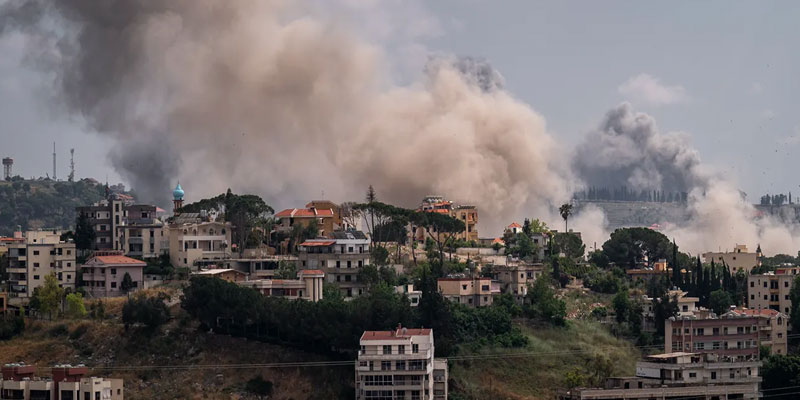
The Israel-Lebanon border has long remained one of the Middle East’s most volatile flashpoints, with periodic clashes involving Hezbollah and Israel repeatedly raising fears of a wider regional conflict. The latest ceasefire comes after months of escalating hostilities that prompted intensified diplomatic intervention by the United States and France, reflecting a broader international consensus that easing tensions along the border is critical not only for regional stability but also for creating momentum for wider diplomatic efforts across the Middle East.
Key Provisions of the Ceasefire Agreement
The ceasefire establishes a ten-day cessation of hostilities beginning on April 16, 2026, with the possibility of extension through mutual agreement.
One of its most significant provisions involves security arrangements in southern Lebanon. Under the framework, the Lebanese Armed Forces are expected to become the sole non-United Nations armed authority operating in the region. The arrangement seeks to limit the influence of non-state armed groups and strengthen state control over security matters.
The agreement also establishes a multinational monitoring mechanism involving the United States and France. This body will oversee compliance, investigate alleged violations and facilitate indirect discussions on unresolved issues, including the demarcation of land borders between the two countries.
These measures are intended not merely to halt immediate hostilities but to create a foundation for more durable stability.
Escalation Elsewhere: The US-Iran Confrontation
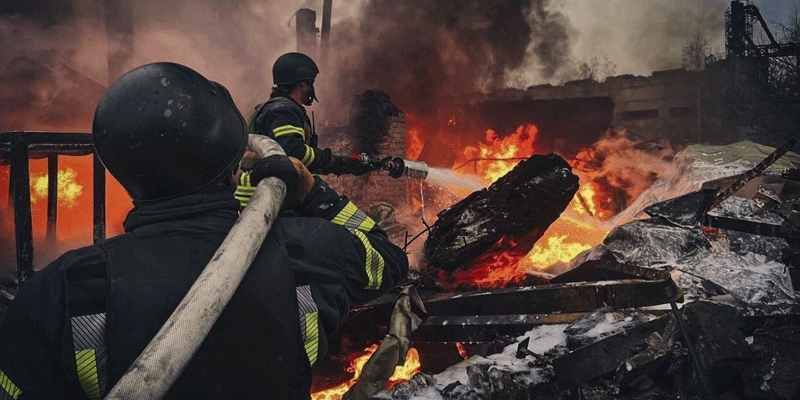
Even as Israel and Lebanon moved toward de-escalation, regional tensions surged elsewhere, with Iranian missile attacks on Kuwait and Bahrain prompting US retaliatory strikes on military targets on Iran’s strategically located Qeshm Island near the Strait of Hormuz. The exchange underscored how rapidly wider geopolitical confrontations can overshadow and potentially undermine diplomatic progress in the region.
Key Diplomatic and Economic Developments
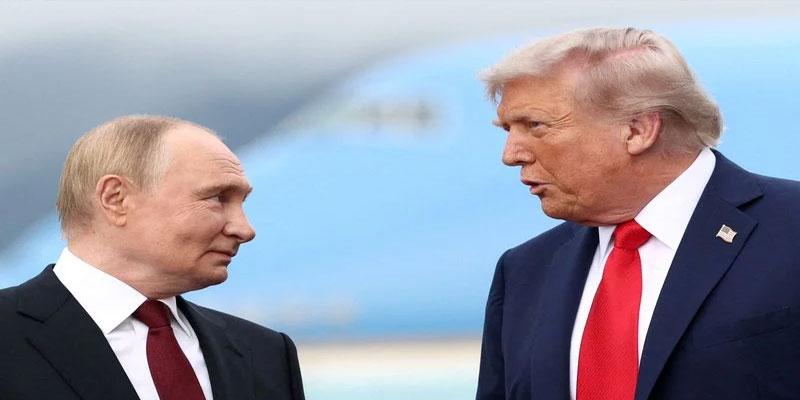
· Negotiations Continue, But Progress Remains Limited: While President Donald Trump has expressed optimism about a potential deal involving a ceasefire, the reopening of the Strait of Hormuz and renewed nuclear talks, Iran maintains that significant differences remain unresolved.
· Major Sticking Points Persist: The future status of the Strait of Hormuz and the disposal of Iran’s highly enriched uranium stockpiles continue to be the principal obstacles to a breakthrough.
· Energy Markets Feel the Impact: Ongoing disruptions around the Strait of Hormuz have pushed oil prices higher, highlighting the global economic risks posed by instability in a waterway that handles a substantial share of the world's oil and liquefied natural gas trade.
A Fragile Window for Peace
The Israel-Lebanon ceasefire demonstrates that diplomacy can still produce meaningful outcomes in one of the world's most conflict-prone regions. However, the simultaneous escalation between the United States and Iran illustrates how quickly such progress can be overshadowed by broader geopolitical rivalries.
Ultimately, the success of the ceasefire will depend not only on adherence to its provisions but also on whether regional and international actors can translate tactical agreements into a broader framework for stability. The coming weeks will be critical in determining whether the Middle East moves toward sustained de-escalation or remains trapped in a cycle where diplomatic breakthroughs and military confrontations unfold side by side.
(With agency inputs)