Moscow Downs 84 Drones; Six Killed in Ukraine
Moscow’s air defence systems shot down 84 Ukrainian drones over a 24-hour period, marking one of the largest drone assaults on the Russian capital since the start of the war. The large-scale attack came as Russian strikes across Ukraine killed at least six people in the regions of Sumy, Odesa and Zaporizhzhia, underscoring the intensifying cycle of retaliation that has increasingly defined the conflict. The latest exchange highlights how drone warfare has become a central feature of the Russia-Ukraine war, extending the battlefield far beyond traditional front lines.
The Rise of Long-Range Drone Warfare
Since Russia launched its full-scale invasion of Ukraine in February 2022, both sides have steadily expanded their use of unmanned aerial systems. What began as battlefield reconnaissance and tactical strikes has evolved into a sophisticated campaign involving long-range drones capable of targeting infrastructure, military facilities and strategic assets hundreds of kilometres from the front.
In recent months, Ukraine has intensified efforts to strike Russian energy infrastructure, logistics hubs and industrial facilities. Moscow’s only major oil refinery has reportedly faced repeated attacks, exposing vulnerabilities in critical Russian energy assets and demonstrating Kyiv’s growing ability to project force deep inside Russian territory.
The latest drone assault on Moscow is being viewed as one of the most significant operations of its kind, reflecting the increasing scale and sophistication of Ukraine’s drone capabilities.
Moscow Repels Major Drone Attack
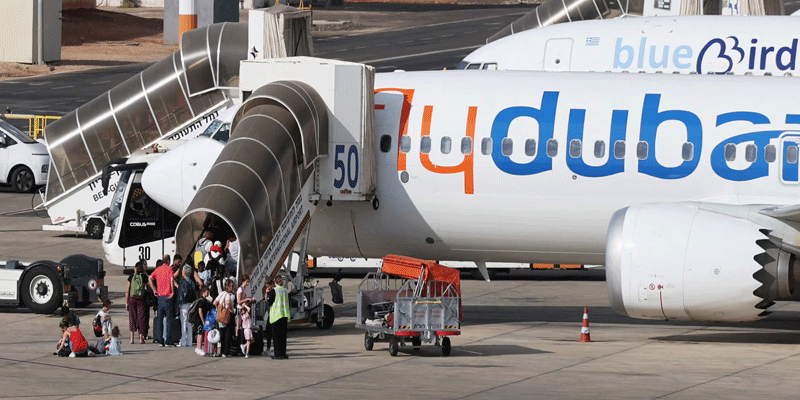
According to Moscow Mayor Sergei Sobyanin, Russian air defence forces intercepted and destroyed 84 drones approaching the capital. The attack temporarily disrupted civilian life, forcing the closure of Moscow’s three major airports and causing delays and cancellations for thousands of travellers.
Authorities later announced that airport operations had resumed after air defence systems successfully neutralised the threat. While no major damage was reported in the capital, the scale of the assault highlighted the persistent pressure that Ukrainian drone operations are placing on Russian security infrastructure.
The incident also reinforced concerns within Russia about the growing frequency of attacks targeting areas previously considered relatively secure.
Russian Strikes Kill Six Across Ukraine
As the drone battle intensified, Russian attacks struck multiple Ukrainian regions, killing at least six people. Ukrainian officials reported fatalities in Sumy near the Russian border, the southern port city of Odesa and the southeastern Zaporizhzhia region.
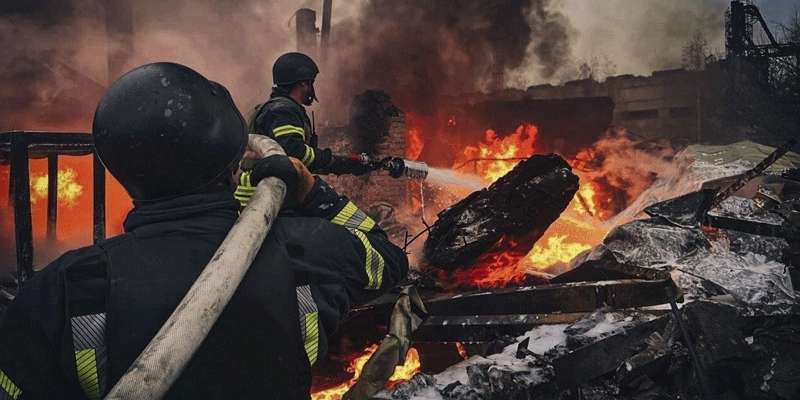
In Odesa, port infrastructure was among the reported targets. Emergency services responded quickly to fires at energy-related facilities within the cargo terminal, preventing broader damage. The strikes added to ongoing concerns about the humanitarian impact of the conflict, particularly in areas that continue to face repeated bombardment.
Merchant Vessels and Black Sea Security
A particularly troubling development was the reported strike on merchant vessels operating in Ukrainian waters. One crew member was killed in the Black Sea, raising fresh concerns about the safety of commercial shipping in the region.
The Black Sea remains a critical route for global grain exports and energy shipments. Attacks on civilian cargo vessels increase risks for international trade and could have broader implications for food security and supply chains if maritime operations become further disrupted.
A Conflict Entering a New Phase
The latest exchange demonstrates how the Russia-Ukraine war is increasingly being shaped by long-range drone operations and attacks on strategic infrastructure. Ukraine’s ability to strike near Moscow reflects significant advances in its operational reach, while Russia’s continued retaliatory strikes show its determination to maintain pressure on Ukrainian territory. As drone warfare expands and maritime security concerns grow, the conflict appears to be entering a more complex and technologically driven phase, with consequences extending well beyond the battlefield.
(With agency inputs)