Trump Reportedly Lashes Out at Netanyahu Over Lebanon Escalation
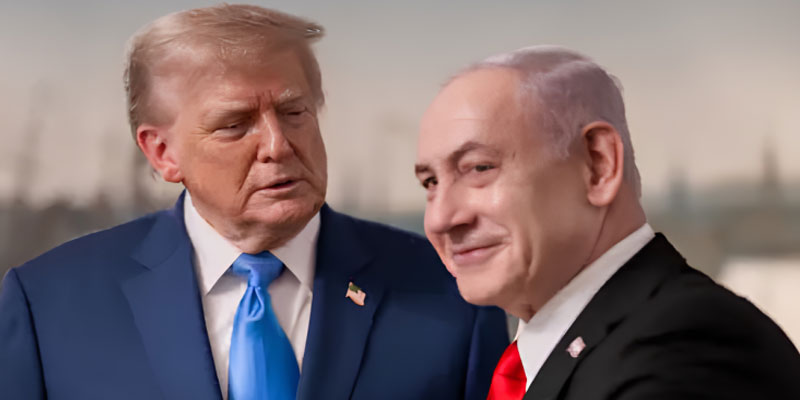
A fresh diplomatic storm has erupted in the Middle East after US President Donald Trump reportedly intervened to stop a planned Israeli military operation in Beirut, following a tense phone call with Israeli Prime Minister Benjamin Netanyahu. Reports suggest Trump expressed strong frustration over Israel’s escalating military actions in Lebanon, fearing they could derail broader regional diplomacy, particularly ongoing efforts involving Iran.
The episode highlights the increasingly complex balance between Israel’s security priorities, America’s diplomatic objectives, Hezbollah’s military activities, and Iran’s growing influence in the conflict.
A Region on the Edge
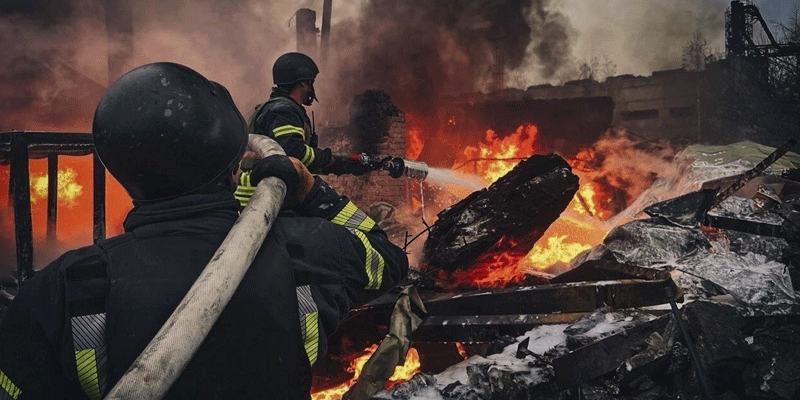
The latest confrontation comes against the backdrop of months of escalating violence between Israel and Hezbollah. Since early 2026, Lebanon has become one of the principal theatres of the wider regional conflict linked to tensions between Israel and Iran. Hezbollah’s rocket and drone attacks on northern Israel have triggered repeated Israeli retaliatory strikes, causing significant destruction and displacement across Lebanon. More than a million Lebanese have reportedly been displaced as fighting intensified over recent months.
At the same time, Washington has been attempting to preserve fragile diplomatic channels with Tehran, including discussions linked to regional stability and maritime security in the Strait of Hormuz. The continuation of hostilities in Lebanon has threatened to undermine those efforts.
The Phone Call That Changed Course
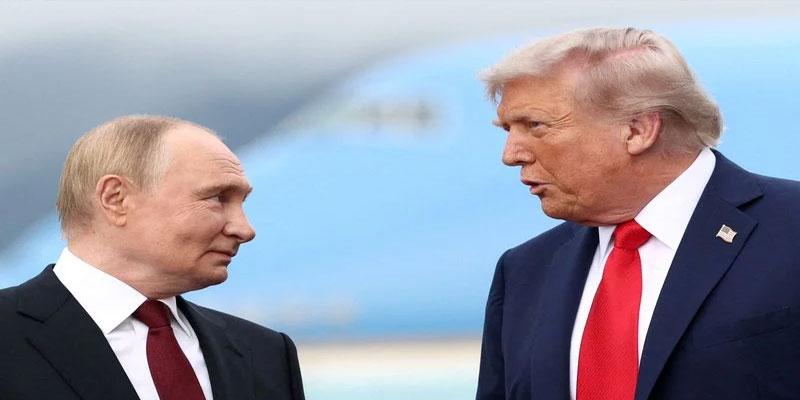
According to reports, Trump directly confronted Netanyahu over Israel’s planned military escalation in Beirut. Sources cited by Axios claimed that the US President sharply criticised the Israeli leader, arguing that expanding military operations would further isolate Israel internationally and jeopardise delicate diplomatic negotiations.
Following the conversation, Trump announced on Truth Social that Israeli troops heading towards Beirut had been turned back and that no major operation would proceed. He further claimed that, through intermediaries, Hezbollah had agreed to halt attacks on Israel, creating an opportunity for de-escalation.
However, the Israeli government presented a different interpretation. Israeli officials indicated that military operations had not been abandoned entirely and that only specific actions had been postponed, while operations against Hezbollah in southern Lebanon would continue if attacks persisted.
Domestic Backlash in Israel
Netanyahu’s apparent decision to delay the Beirut operation triggered criticism from across Israel’s political spectrum. Several leaders argued that Israeli security policy should remain independent of foreign pressure. Critics contended that yielding to Washington’s demands projected weakness at a time when Israel faces continued threats from Hezbollah and other Iran-backed groups.
The controversy has intensified debate within Israel over the extent to which military decisions should be influenced by diplomatic considerations and international alliances.
Iran’s Warning Raises the Stakes
The situation became even more sensitive after Iran warned that continued Israeli attacks on Lebanon could jeopardise its negotiations with the United States. Tehran subsequently suspended indirect talks with Washington, citing Israeli military actions as a key concern. Iranian officials also reiterated that further escalation could provoke broader regional consequences, including threats to strategic maritime routes such as the Strait of Hormuz.
These developments have heightened fears that localised clashes in Lebanon could evolve into a wider regional confrontation involving multiple actors.
Diplomacy Versus Military Calculations
The Trump-Netanyahu confrontation underscores the fragile nature of Middle East diplomacy. While military actions are often driven by immediate security concerns, they increasingly intersect with larger geopolitical negotiations involving Iran, Hezbollah, Lebanon, and the United States. The Beirut episode demonstrates how a single military decision can reverberate across multiple diplomatic fronts. Whether the temporary restraint leads to lasting de-escalation or merely postpones another round of conflict will depend on the willingness of all parties to balance strategic objectives with regional stability.
(With agency inputs)