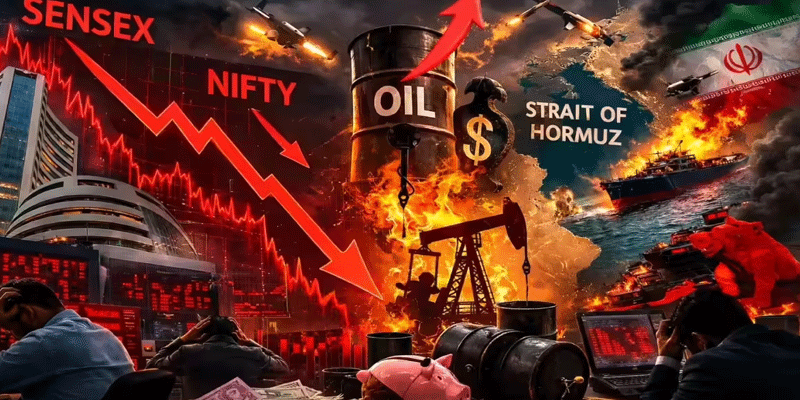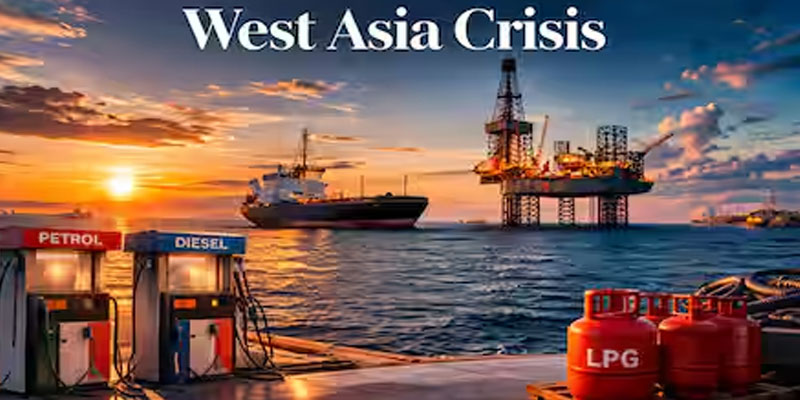
Amid escalating tensions in West Asia and fears of disruptions in global energy supplies, India has stepped up efforts to reassure citizens that fuel and LPG stocks remain adequate across the country. The Centre on Friday confirmed that more than 97 lakh LPG cylinders were delivered in just two days, even as panic buying concerns surfaced due to the volatile geopolitical situation around the Strait of Hormuz. At an inter-ministerial briefing in New Delhi, officials from the Ministries of Petroleum and Natural Gas, External Affairs, and Ports and Shipping detailed the government’s strategy to maintain uninterrupted fuel supply, secure maritime operations and ensure the safety of Indian nationals in the Gulf region.
India’s Rapid Response to a Growing Energy Crisis
The ongoing Iran-US-Israel conflict, which intensified earlier this year, has disrupted shipping routes across the Gulf and raised concerns over the movement of crude oil and LPG cargo through the Strait of Hormuz — a critical global energy corridor. Since India imports a major portion of its LPG and crude requirements from the region, fears of shortages triggered increased consumer demand across several states.
To contain panic and stabilise supplies, oil marketing companies accelerated deliveries and ensured that LPG distribution exceeded bookings. According to officials, against 87.66 lakh bookings, over 97 lakh cylinders were delivered within two days, while online booking rates touched nearly 99 percent.
The government also intensified monitoring mechanisms to prevent artificial shortages. More than 2,000 raids were conducted nationwide against hoarding and black marketing, while states were empowered under the Essential Commodities Act to take strict action against violators.
Fuel Supply, Refinery Output and Distribution Measures
Officials stated that India currently has sufficient reserves of petrol, diesel and LPG, with no reports of distributorship “dry-outs” anywhere in the country. Refineries reportedly increased fuel output by nearly 30 percent to cushion domestic demand pressures.
Priority distribution was given to households, hospitals and essential industries. Commercial LPG availability was raised significantly, while Free Trade LPG supplies for migrant and urban consumers were doubled in some regions to ease pressure on domestic cylinders.
Authorities also highlighted the use of DAC-based verification systems to ensure cylinders reached genuine consumers and were not diverted into illegal markets. Delivery cycles have largely remained stable despite the crisis, with urban refill waiting periods averaging around 25 days and rural areas around 45 days.
Maritime Operations and Evacuation Efforts
The Ministry of Ports, Shipping and Waterways confirmed that more than 3,000 Indian seafarers had been repatriated from conflict-sensitive zones, including 20 rescued within the last 48 hours through special arrangements. The Directorate General of Shipping’s emergency control room has handled thousands of distress calls and emails since activation.
India has also pushed for secure passage through the Strait of Hormuz at international forums, while the Bharat Maritime Insurance Pool has been activated to protect Indian shipping interests amid rising regional uncertainty.
A Push Toward Cleaner and More Resilient Energy
Alongside crisis management, the government is accelerating the transition toward piped natural gas (PNG). Over 50,000 consumers reportedly surrendered LPG connections in favour of PNG by early May, while lakhs of new PNG registrations have been recorded. Officials believe this shift could gradually reduce dependence on LPG imports and strengthen long-term energy resilience.
Managing Crisis While Building Future Resilience
India’s response to the West Asia crisis reflects a coordinated multi-agency effort aimed at preventing supply disruptions, calming public fears and safeguarding economic stability. While geopolitical uncertainties and crude price volatility remain serious concerns, the government’s aggressive distribution measures, anti-hoarding enforcement and diversification push have so far prevented major domestic disruption. Beyond immediate crisis management, the episode may also accelerate India’s broader transition toward cleaner, more secure and resilient energy systems capable of withstanding future global shocks.
(With agency inputs)