Piyush Goyal Calls for Doubling Bilateral Trade in Three Years
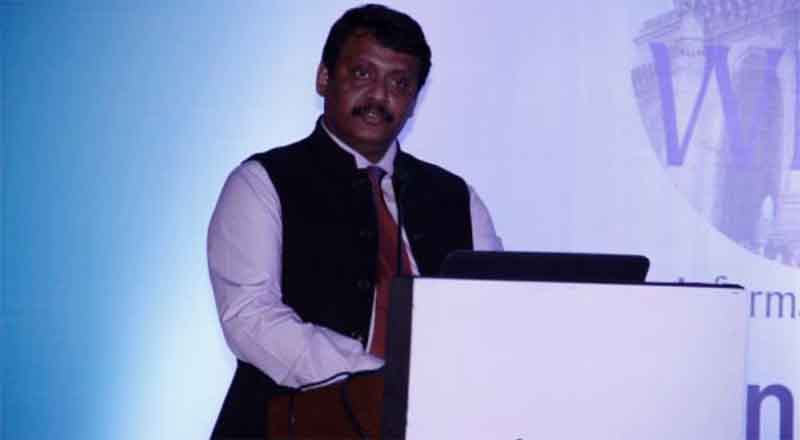
Piyush Goyal has invited Indian and Uzbek businesses to co-invest, co-manufacture and co-innovate, while calling for a doubling of bilateral trade over the next three years. Addressing the India-Uzbekistan Business Forum in New Delhi, the Union Commerce and Industry Minister urged industry leaders to move beyond traditional trade and build long-term partnerships in manufacturing, technology and innovation. With bilateral trade currently estimated at around $1.5 billion, both countries have set an ambitious target of raising it to nearly $3 billion, reflecting their shared commitment to transforming a strong diplomatic relationship into a robust economic partnership.
A Strong Strategic Partnership Seeking Economic Momentum
India and Uzbekistan have enjoyed close diplomatic ties for decades, elevating their relationship to a Strategic Partnership in 2011. However, despite cordial political relations, economic engagement has not kept pace with the potential offered by the two complementary economies.
According to official figures, bilateral trade stood at $980.4 million in 2024, based on Uzbek statistics, while Indian investments in Uzbekistan have reached nearly $451 million. These investments are primarily concentrated in pharmaceuticals, healthcare, education and housing.
Both governments acknowledge that existing trade volumes remain far below potential, particularly considering India's vast consumer market, technological capabilities and services expertise alongside Uzbekistan's abundant mineral resources, agricultural strengths and strategic location as a gateway to Central Asia.
Goyal's Vision: Beyond Trade Towards Joint Value Creation
At the business forum, Piyush Goyal emphasised that the next phase of India-Uzbekistan relations should be driven by co-investment, co-manufacturing and co-innovation, rather than conventional buyer-seller relationships.
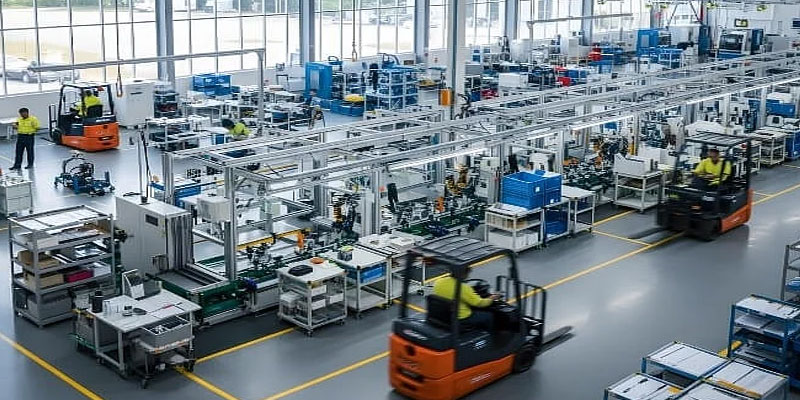
He identified several high-potential sectors, including textiles, pharmaceuticals, agri-processing, information technology, digital public infrastructure, engineering goods, automotive components and food logistics, where companies from both countries could establish joint ventures and integrated supply chains.
The minister stressed that collaborative manufacturing would create greater value, improve competitiveness and strengthen long-term commercial ties. He also indicated that both nations could eventually explore a Free Trade Agreement (FTA), laying the foundation for deeper economic integration.
Uzbekistan Offers Strategic Opportunities for Indian Industry
Uzbekistan responded with an equally ambitious investment pitch. Its Minister of Investment, Industry and Trade invited Indian companies to participate in sectors such as mining, metallurgy, fertilisers, pharmaceuticals, renewable energy and automotive manufacturing. The country highlighted its substantial reserves of gold, copper, uranium, critical minerals and rare earth elements, all of which have become increasingly important for global clean energy technologies and advanced manufacturing.
These resources align closely with India's strategic priorities, particularly as the country seeks secure supplies of critical minerals essential for electric vehicles, renewable energy systems, electronics and semiconductor manufacturing.
Uzbekistan also projected that bilateral trade could cross $2 billion as early as next year if the present momentum continues.
Aim to Ease Business and Investment
Recent discussions between the two governments have moved beyond policy announcements to practical implementation. Officials are working on measures including customs data exchange, interconnected payment systems, removal of non-tariff barriers and greater regulatory coordination to facilitate smoother cross-border business operations.
These initiatives are expected to reduce transaction costs, improve transparency and encourage greater private-sector participation in bilateral investment.
A New Chapter in India-Central Asia Economic Relations
India's renewed engagement with Uzbekistan signals a shift from diplomatic goodwill to commercially driven partnership. By focusing on joint manufacturing, technology collaboration and integrated supply chains, both countries are seeking to unlock economic opportunities that have remained underutilised for years. If the ambitious trade targets are supported by timely policy reforms and successful business collaborations, the partnership could emerge as a cornerstone of India's broader Central Asia strategy. Beyond expanding trade volumes, it has the potential to strengthen energy security, diversify supply chains and create a sustainable framework for long-term economic growth that benefits both nations.
(With agency inputs)