Petrol And Grocery Prices Ignite Street Anger
Pakistan is witnessing a sharp escalation in public anger over soaring fuel and food costs, with thousands taking to the streets on August 7–8 against rising petroleum prices, the petroleum levy and inflation. Led by Jamaat-e-Islami (JI), protests, sit-ins and road blockades were reported across Karachi, Lahore, Peshawar, Quetta, Islamabad, Rawalpindi and Abbottabad.
Why Prices Surged and Protests Intensified
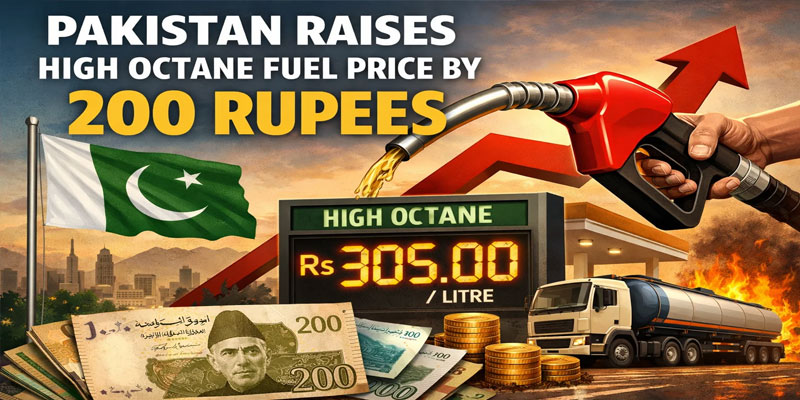
The immediate trigger is the higher petroleum burden. JI chief Hafiz Naeemur Rehman has demanded petrol at Rs 225 per litre, abolition of the petroleum levy and lower electricity tariffs, arguing that excessive taxation is worsening the pressure on households.
Fuel-price shocks have repeatedly triggered public resentment in Pakistan because petrol affects almost every part of the economy—from transport and agriculture to logistics and retail prices. Recent increases have therefore revived memories of earlier price shocks and intensified concerns over household purchasing power.
Food prices add another layer. Even when headline inflation moderates, consumers continue to feel the impact of expensive essentials. Pakistan’s official economic data show that food and energy remain significant components of household expenditure, making price increases particularly painful for lower- and middle-income families.
Nationwide Sit-Ins Turn Economic Anger Political
JI had announced demonstrations across 510 major roads and highways in 170 districts, and the party said protests were held at more than 500 locations. Major arteries were disrupted as demonstrators demanded relief from fuel prices, taxation and expensive electricity.
The campaign is now moving into another phase. JI has announced sit-ins outside the Punjab Chief Minister’s House in Lahore and Governor Houses in Karachi, Peshawar and Quetta on August 9. The party is also planning door-to-door mobilisation to widen participation.
Economic Pressure Meets Political Ambition
The protests expose a difficult dilemma for the Shehbaz Sharif government. Pakistan needs revenue and fiscal discipline, but fuel levies are highly visible taxes that immediately affect household budgets and transportation costs.
At the same time, Islamabad is attempting to project itself as a diplomatic player and peacemaker amid the US-Iran conflict. That international positioning could bring strategic and economic dividends, but domestic economic instability risks undermining the government's credibility at home.
The Bigger Risk: From Price Protest to Political Crisis
The immediate challenge is not simply controlling petrol prices; it is preventing cost-of-living anger from becoming a sustained political movement. JI’s mobilisation gives an organised opposition force an opportunity to convert economic frustration into broader anti-government sentiment.
For Islamabad, targeted relief, carefully calibrated taxation and measures to contain food inflation could be crucial.
When Economic Pain Becomes Political Power
Pakistan’s latest protests underline a basic political reality: statistical improvements in inflation mean little when ordinary families still struggle to afford fuel, electricity and groceries. If prices remain politically explosive, today’s sit-ins could evolve into a wider test of the government’s economic credibility—and its ability to maintain public confidence while pursuing fiscal stability.
(With agency inputs)