PM Modi Flags Safety Concerns, Condoles Civilian Deaths
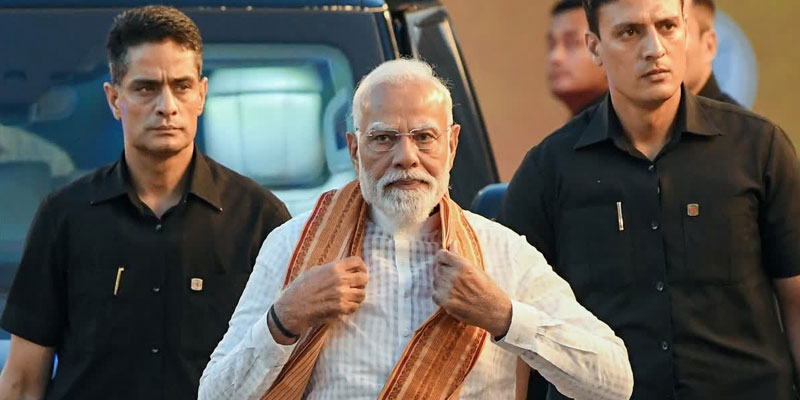
Amid intensifying conflict in West Asia, Prime Minister Narendra Modi held a crucial conversation with Iranian President Masoud Pezeshkian, expressing deep concern over the escalating war and the growing toll on civilians. During the call, Modi conveyed India’s pain over the loss of innocent lives and emphasized the urgent need to protect civilians and critical infrastructure. A key priority for India was the safety of more than 10,000 Indian nationals currently living and working in Iran and nearby Gulf countries. The Prime Minister urged cooperation to ensure their protection and smooth evacuation if the situation worsens. He also stressed the importance of maintaining the free flow of essential goods and energy supplies, particularly through the strategic Strait of Hormuz, a lifeline for global energy markets.
A Region on the Brink: Origins of the Crisis
The latest Middle East crisis erupted on February 28, 2026, when coordinated strikes by the United States and Israel targeted Iranian nuclear facilities and senior leadership. The attack reportedly killed Iran’s Supreme Leader Ali Khamenei, triggering an immediate and forceful retaliation from Tehran. Iran responded with waves of missiles and drone strikes on American and Israeli targets across the region. Simultaneously, Iranian forces and allied militias launched attacks on key Gulf infrastructure and shipping lanes.
One of the most significant consequences has been the disruption of maritime traffic through the Strait of Hormuz, through which nearly 20 percent of the world’s crude oil passes. The resulting supply shock pushed global oil prices up by more than 25 percent, raising alarm for energy-import dependent economies such as India.
India’s Strategic Balancing Act
For New Delhi, the crisis presents a complex diplomatic and economic challenge. India imports nearly 85 percent of its crude oil, with a substantial portion historically sourced from West Asia, including Iran. At the same time, around 8.5 million Indians live and work across Gulf countries, sending home remittances exceeding $100 billion annually.
In this delicate context, Modi’s outreach to Tehran reflects India’s careful diplomatic balancing. By expressing concern without taking sides, India seeks to preserve relationships with all major stakeholders while safeguarding its strategic interests. This approach echoes New Delhi’s broader policy of strategic autonomy, which has guided its responses to other global conflicts.
Iranian President Pezeshkian reportedly briefed Modi on Tehran’s perspective and agreed to maintain communication, suggesting potential avenues for diplomatic engagement even amid rising hostilities.
Hardline Signals from Tehran
Adding to the volatility, Mojtaba Khamenei—who succeeded his father following the strike—issued a defiant statement pledging retaliation against the United States and Israel. He demanded the closure of American military bases in the Gulf and warned that continued pressure could keep the Strait of Hormuz closed.
Such threats raise fears of a prolonged blockade and possible regional escalation involving major Gulf powers such as Saudi Arabia and the United Arab Emirates. A wider conflict could deepen disruptions to global trade routes and energy flows.
Implications for India and the Global Economy
The crisis places India under dual pressure: ensuring the safe evacuation of its citizens while simultaneously securing alternative energy supplies. Rising oil prices could intensify inflation at home, forcing India to accelerate diversification toward suppliers such as Russia or liquefied natural gas imports from the United States.
Diplomatically, India’s measured tone signals its willingness to support dialogue rather than confrontation. By keeping channels open with Tehran while maintaining strong ties with Gulf partners, New Delhi aims to protect its diaspora and economic interests without becoming entangled in regional rivalries.
Diplomacy in a Polycrisis World
As tensions mount across West Asia, India’s response reflects a pragmatic strategy rooted in stability and dialogue. Modi’s outreach to Iran underscores the importance of communication even during wartime. In an era of overlapping geopolitical crises, India’s ability to maintain balanced relationships may prove crucial—not only for safeguarding its citizens and energy security, but also for encouraging diplomatic pathways that could prevent a wider regional war.
(With agency inputs)