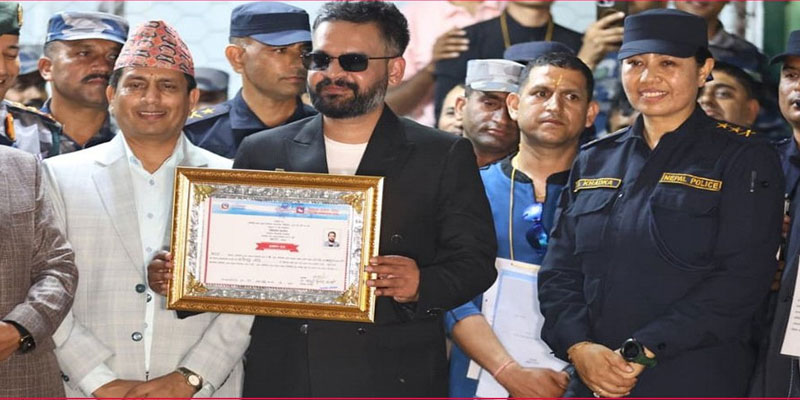
A Historic Oath Signals a New Era
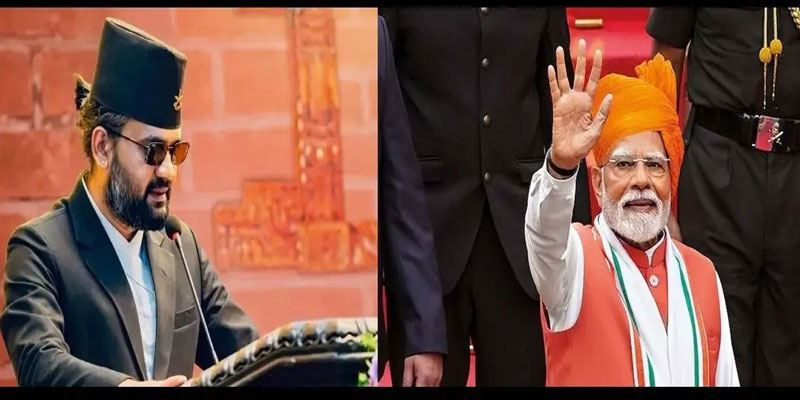
In a dramatic political shift, former rapper-turned-politician Balen Shah was sworn in as Nepal’s youngest Prime Minister on March 27, 2026, following a sweeping electoral victory. President Ram Chandra Paudel administered the oath at Sheetal Niwas, marking a generational shift in the country’s leadership. Backed by a decisive mandate, the Rastriya Swatantra Party (RSP) has authorized Shah to form a lean cabinet, expected to include 15–18 ministers, signaling an intent to govern with efficiency and focus.
Landslide Mandate Breaks Old Order
The scale of RSP’s victory has upended Nepal’s traditional political landscape. Securing 182 out of 275 seats in Parliament, the party achieved a clear majority under constitutional provisions, effectively ending the long-standing dominance of the Nepali Congress and the UML.
Shah’s own electoral triumph in Jhapa-5—where he defeated veteran leader KP Sharma Oli by a wide margin—symbolized a rejection of entrenched political elites. A remarkable 75% youth voter turnout powered this shift, reflecting deep frustration with instability and governance failures that have seen Nepal cycle through 14 prime ministers in just 18 years.
The Rise of an Unconventional Leader
Shah’s journey to the top is anything but traditional. Emerging first as a voice of dissent through music, his rap tracks critiquing corruption and dynastic politics resonated strongly with younger citizens. His independent victory as Kathmandu’s mayor in 2022 established his credibility as a reform-oriented leader.
Joining the RSP in 2025, Shah capitalized on growing anti-establishment sentiment. His campaign blended social media outreach with grassroots mobilization, creating a powerful narrative of change. His post-election message—echoing his artistic roots—captured the public mood: a demand for accountability and a break from the past.
A Political System in Transition
Shah’s rise reflects a broader transformation in Nepal’s politics. The RSP’s ascent has disrupted the traditional UML–Congress duopoly, fueled by public anger over corruption scandals, economic stagnation, and infrastructure failures such as recurring load-shedding.
As Nepal’s first Prime Minister with Madhesi roots, Shah also represents a shift toward greater regional inclusion. His agenda includes federal reforms, anti-corruption investigations, and administrative efficiency. However, challenges loom large—ranging from coalition management to balancing relations between India and China amid competing strategic interests like infrastructure funding and regional connectivity projects.
Cabinet Strategy and Governance Challenges
The proposed cabinet structure indicates a focus on key pressure points: internal security, economic recovery, and foreign policy. By opting for a compact team and reportedly avoiding defectors from rival parties, Shah aims to maintain ideological clarity and public trust.
Yet, governance will test his leadership. Nepal faces slowing economic growth, rising inflation, and vulnerability to natural disasters. Shah’s lack of experience in national coalition politics could pose risks, especially as opposition voices question whether his rise represents sustainable reform or populist momentum.
Promise Meets Pressure
Balen Shah’s ascent marks one of the boldest political experiments in Nepal’s history—a transition from cultural icon to national leader, from youth-driven movement to institutional power. His victory embodies a generational shift, powered by citizens demanding accountability and change.
However, the true test lies ahead. Delivering on promises in a complex political and economic environment will determine whether this moment becomes a lasting transformation or a fleeting disruption. For now, Nepal stands at a critical crossroads, with Shah’s leadership symbolizing both hope and uncertainty in equal measure.
(With agency inputs)