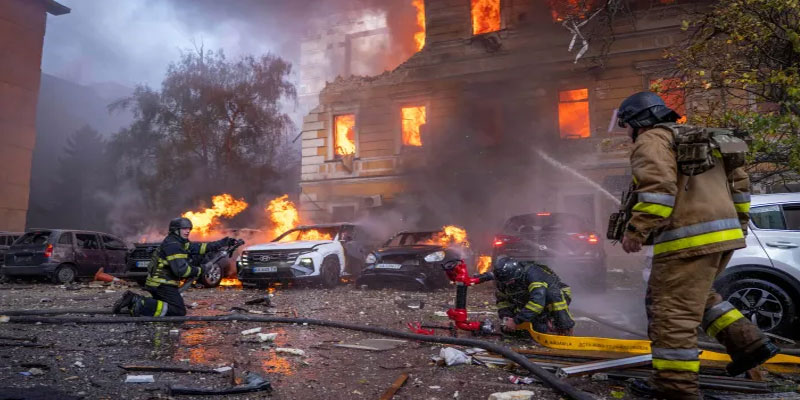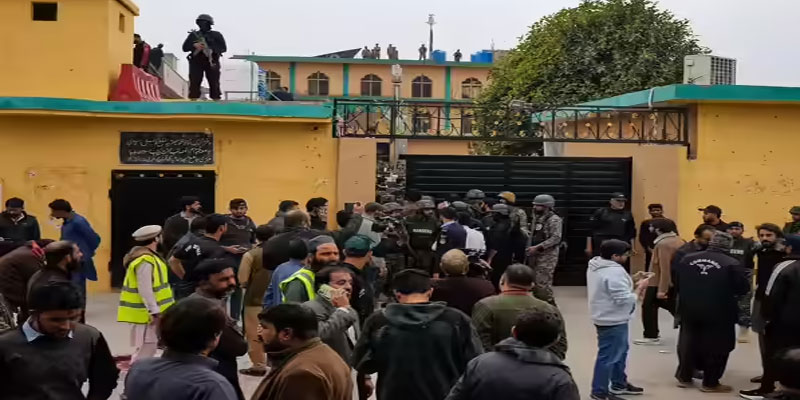
A powerful suicide blast tore through a Shia Mosque on the outskirts of Islamabad during Friday prayers, killing at least 70 worshippers and injuring more than 170, making it one of the deadliest attacks in the capital in years. The explosion struck when the mosque was filled with devotees, triggering chaos, mass evacuations and an emergency response across the city. Rescue teams transported the injured to nearby hospitals as authorities cordoned off the site and launched a counter-terror investigation.
Officials said the attacker detonated explosives near the entrance after being confronted by security personnel, indicating a suicide bombing. Preliminary intelligence points toward possible involvement of Tehreek-e-Taliban Pakistan (TTP), though no group has formally claimed responsibility so far. The attack comes amid a broader spike in militant incidents across Pakistan, with heightened security measures now in place nationwide.
Shia communities in Pakistan have long been targets of sectarian violence, particularly from militant groups such as the TTP and its affiliates. Since the late 2000s, several high-casualty attacks have struck mosques and imambargahs during prayers and religious gatherings.
The mid-2010s saw some of the most lethal incidents. Suicide bombings at Shia mosques in Sindh and Khyber Pakhtunkhwa in 2015 killed dozens, while earlier assaults in tribal regions and urban centres between 2010 and 2013 caused mass casualties. These attacks were often timed to coincide with Friday prayers or major religious events to maximise impact and spread fear.
Although military operations weakened militant networks for a time, violence resurged after 2021. Security analysts note that TTP factions have stepped up operations, with religious sites again becoming symbolic targets. The Islamabad blast fits a pattern of high-profile attacks aimed at fuelling sectarian divisions and challenging state authority.
The latest tragedy highlights the enduring threat posed by sectarian militancy in Pakistan’s major cities. Beyond the immediate loss of life, such attacks deepen communal anxieties and strain national security resources. As investigations continue and authorities hunt for those responsible, the incident is expected to intensify demands for stronger intelligence coordination, improved protection for religious sites and sustained counter-terror efforts to prevent further bloodshed.
(With agency inputs)