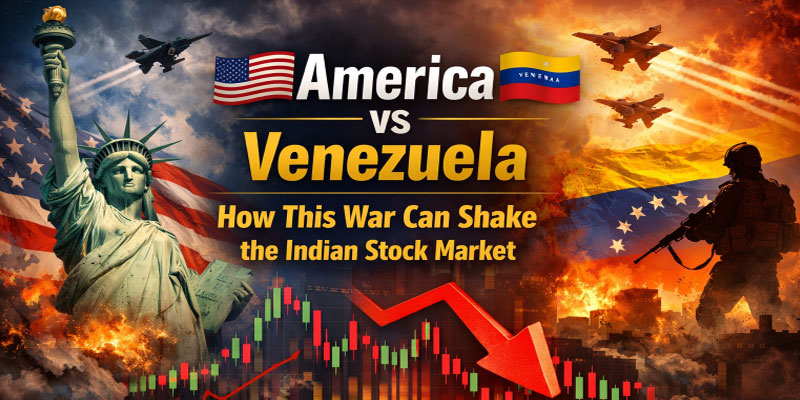
Recent US military action and oil sector intervention in Venezuela has reignited geopolitical tensions that extend beyond Latin America, with implications for global energy markets and international economic trends. While some may assume such developments have little bearing on India, the situation is more nuanced.
Geopolitically, the United States has stepped up pressure on Venezuela’s oil industry, imposing blockades, sanctions, and tanker seizures that have sharply reduced Venezuelan crude exports. This has historical roots in broader US strategic aims to counter rival influence and secure energy interests in the Western Hemisphere.
From an Indian perspective, direct impact on energy supply is currently limited. Venezuela’s crude accounted for only a tiny fraction of India’s oil imports in recent years due to earlier sanctions and declining trade links; imports have fallen sharply since 2019, making India’s energy security largely insulated from immediate disruption. Still, volatility in global crude prices triggered by geopolitical risk premiums can influence India’s import bill, inflation, and economic sentiment
The US–Venezuela conflict also intersects with broader shifts in the global financial order. The long-standing petrodollar system, which ties oil trade to the US dollar, has faced scrutiny amid de-dollarization efforts by emerging economies and BRICS partners seeking alternative trade arrangements. While far from overturning dollar dominance, these trends could influence future strategic calculations for energy importing nations including India.
Finally, the evolving scenario underscores the importance of diversified energy sourcing and diplomatic agility. India’s diversified crude basket—sourced chiefly from the Middle East, Russia, and other producers—helps mitigate country-specific shocks. However, sustained geopolitical tensions and price fluctuations remain key variables for India’s economic stability and energy planning in 2026 and beyond.