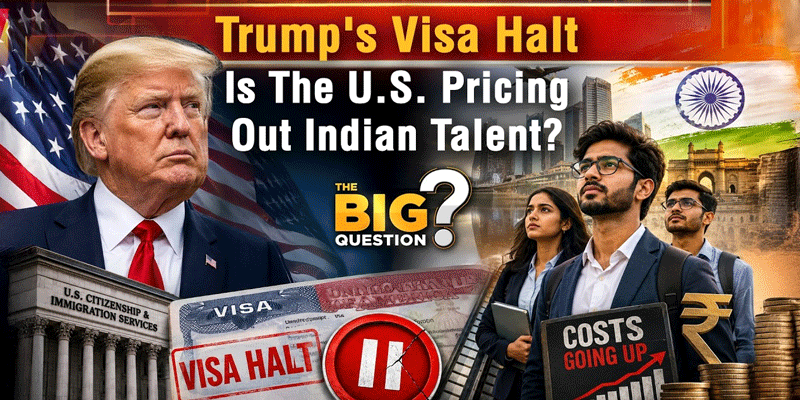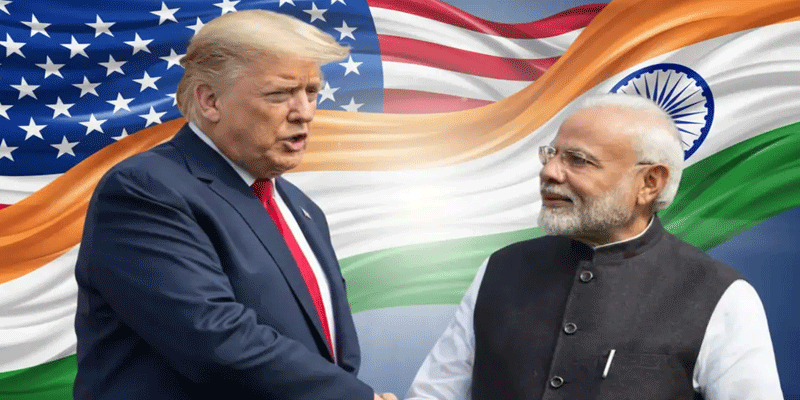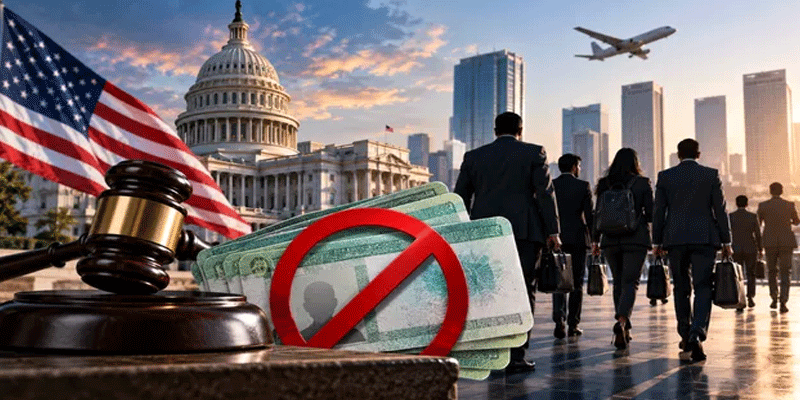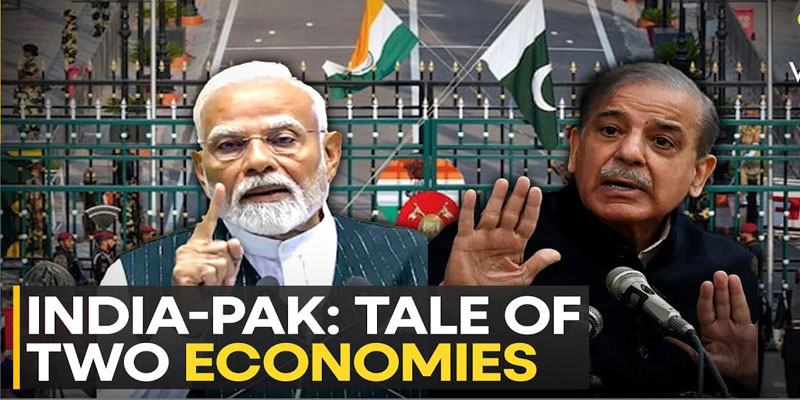
A new US–India trade arrangement announced by President Donald Trump has reduced tariffs on a large share of Indian exports to 18% from earlier punitive levels near 50%, while also removing a proposed 25% penalty tied to India’s purchases of Russian oil. The revised tariff rate places India marginally ahead of Pakistan, whose exports to the US face a 19% duty. Though the difference is small in numerical terms, the optics have triggered sharp reactions across Pakistan’s political and media landscape.
A Deal with Symbolic Weight
The agreement marks a significant recalibration in Washington’s trade posture toward India, aimed at boosting bilateral commerce and supply-chain cooperation. While some elements — including large-scale purchase commitments by India — remain only partially confirmed, the tariff reduction itself signals improved economic alignment. For Pakistan, which had sought comparable or better access through lobbying and diplomatic outreach, the outcome has sparked debate over strategy, leverage, and regional competitiveness.
Key Features of the Agreement
The revised tariff structure covers a substantial portion of Indian exports to the United States, improving competitiveness for sectors such as manufacturing, textiles, and technology-linked goods. By scrapping the additional penalty linked to Russian oil imports, Washington has also softened earlier pressure on India’s energy trade decisions. Indian leaders welcomed the move as beneficial for exporters and for broader economic ties, while framing it as part of a pragmatic partnership rather than a concession-driven arrangement.
Reaction in Pakistan’s Public Sphere and Media
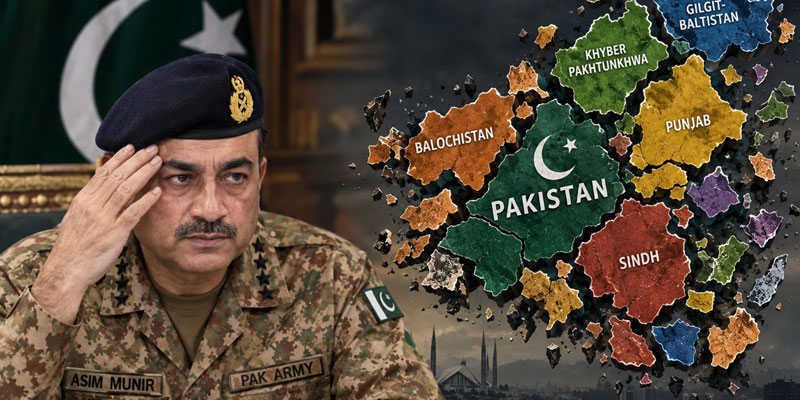
In Pakistan, the response has been swift and emotionally charged. Social media platforms filled with commentary comparing Islamabad’s diplomatic outreach to New Delhi’s results, often framing the one-percentage-point tariff gap as a symbolic setback. Hashtags and memes circulated widely, portraying the outcome as evidence that high-profile lobbying had not translated into tangible trade gains.
Television debates and newspaper editorials echoed similar concerns. Commentators questioned whether Pakistan’s approach — which included diplomatic visits, economic overtures, and attempts to strengthen political ties — had yielded sufficient leverage. Opposition voices seized on the tariff comparison to criticise the government’s economic diplomacy, arguing that structural reforms and export competitiveness matter more than personal rapport with foreign leaders. Some analysts, however, cautioned against overstating the significance of the difference, noting that both countries still enjoy relatively low tariffs compared with earlier proposals.
Market Reaction: Pakistan’s Stock Exchange
Financial markets in Pakistan reacted modestly rather than dramatically. The benchmark KSE-100 index slipped slightly in the immediate aftermath of the announcement, with export-oriented sectors such as textiles and manufacturing seeing mild declines amid concerns about competitiveness. The drop, however, remained contained — roughly around a one-percent dip — and trading stabilised within a day as investors weighed broader economic fundamentals.
Analysts observed that while the symbolic comparison with India affected sentiment, the practical economic impact of a one-percentage-point tariff difference is limited. Continued IMF engagement, currency stability measures, and domestic reforms played a larger role in shaping market confidence than the tariff announcement itself. By the next trading sessions, the index had recovered part of its losses, reflecting resilience in the face of political noise.
Optics, Strategy, and Regional Competition
The tariff adjustments highlight how trade policy can carry both economic and symbolic significance in South Asia. For India, the deal reinforces its position as a key US economic partner. For Pakistan, the reaction reveals sensitivities around regional competition and the importance of long-term economic reform over short-term diplomatic gains. While the immediate market impact has been limited, the episode underscores the need for sustained competitiveness, export diversification, and strategic engagement to navigate an increasingly complex global trade environment.
(With agency inputs)