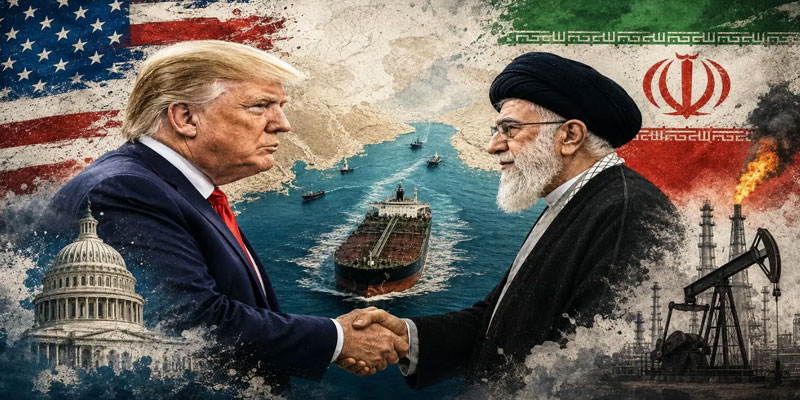
The reported draft US-Iran peace proposal seeks to address two of the conflict’s most sensitive flashpoints: Tehran’s enriched uranium stockpile and the disruption of shipping through the strategically vital Strait of Hormuz. The preliminary framework reportedly calls for Iran to transfer its highly enriched uranium abroad or reduce its enrichment level, while reopening the strait to international shipping within seven days of an initial understanding. In return, Washington would begin easing economic restrictions through a phased arrangement.
Nuclear Tensions and Hormuz Disruption
Months of hostilities and unsuccessful diplomatic efforts have deepened the confrontation between Washington and Tehran. The Strait of Hormuz has become a major bargaining point because it carries a substantial share of global oil and gas shipments. Any prolonged disruption threatens energy supplies, raises transportation costs and increases regional security risks.
Iran had previously indicated its willingness to reopen the waterway within seven days if the United States accepted its conditions. Separate mediation efforts, including a Qatari proposal, also explored confidence-building measures and a phased reopening.
What the Draft US-Iran Framework Proposes
Its principal provisions include:
· Uranium transfer or dilution: Iran would move its highly enriched uranium stockpile to a mutually agreed third country or reduce its enrichment level to a lower threshold.
· Hormuz reopening: International shipping through the Strait of Hormuz would resume within seven days of an initial understanding.
· Sanctions relief: The United States would take clearly defined steps to ease sanctions, blockades and other economic restrictions.
· Direct negotiations: Talks could take place in Doha rather than Istanbul.
· Chinese involvement: China may serve as a guarantor, helping oversee implementation and sustain the eventual arrangement.
· Independent verification: Each phase would require confirmation of compliance before the next stage begins.
· Dispute resolution: Mediators and guarantors would address disagreements, delays or alleged violations.
Why the Uranium Stockpile Is Central
Washington’s primary concern is that Iran could further enrich its existing uranium stockpile towards weapons-grade levels. Transferring the material abroad or diluting it would provide a measurable form of nuclear restraint.
For Tehran, however, the stockpile represents scientific capability, strategic leverage and negotiating power. Transferring it without reliable guarantees of sanctions relief could invite strong domestic criticism. Verification and reciprocal commitments are therefore essential to making the proposal acceptable.
What We Must Know About the Current Situation
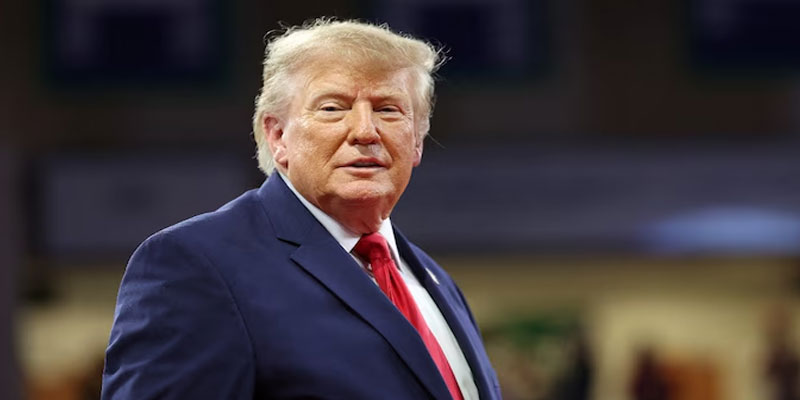
The framework remains a reported preliminary draft, not an agreement accepted by either government. Iran has previously rejected a separate Qatari proposal, while US President Donald Trump has indicated that Washington is not rushing to end the conflict.
The biggest challenges are mutual distrust, the sequencing of concessions and guarantees against future violations. Neither side wants to surrender its principal bargaining advantage without receiving credible assurances in return.
A Narrow Diplomatic Opening, Not Yet Peace
The proposal offers a possible route towards de-escalation by linking nuclear restraint with the restoration of global shipping and economic relief. However, its success depends on whether both governments are prepared to convert tentative proposals into verifiable commitments. Until that happens, the uranium stockpile and Strait of Hormuz will remain powerful instruments of pressure in one of the world's most consequential geopolitical confrontations.
(With agency inputs)