A Sudden Escalation in Isfahan
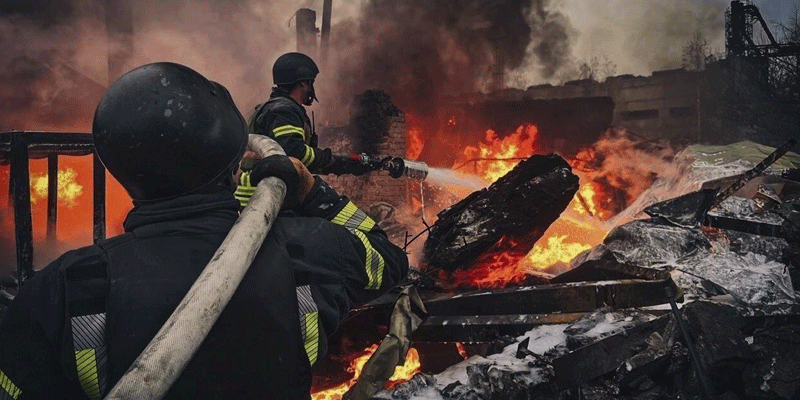
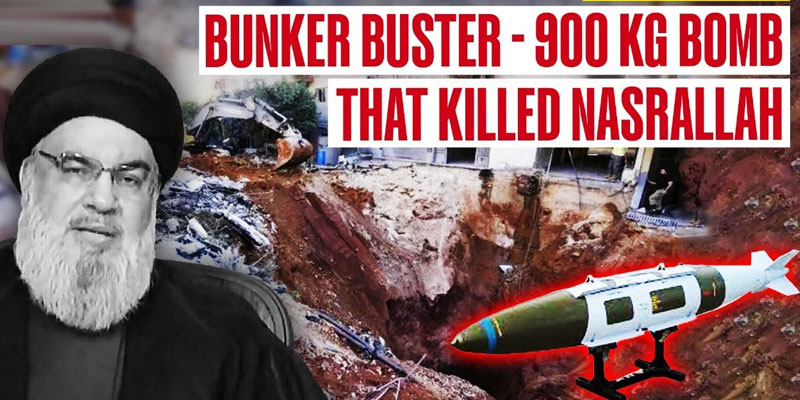
The United States escalated its military campaign against Iran by deploying powerful “bunker-buster” bombs on a major ammunition depot in Isfahan. The strike, amplified by dramatic footage shared by President Donald Trump, lit up the night sky with cascading explosions—likely triggered by secondary detonations within the facility. While Washington claims significant damage to a strategic site, Tehran downplayed the impact and denied any risk to nearby nuclear infrastructure. Yet, the symbolism of the attack is unmistakable: this is no longer a peripheral confrontation but a direct strike at the heart of Iran’s military capability.
What the Strike Reveals
At its core, the Isfahan operation reflects a calculated shift in US strategy—from containment to degradation. By targeting hardened and possibly dual-use facilities, Washington aims to disrupt Iran’s ability to store, transport, and potentially conceal advanced munitions or nuclear-related material. The use of 2,000-pound penetrator bombs underscores the intent to reach deeply buried assets, signaling that even fortified infrastructure is no longer beyond reach.
This move follows weeks of mounting tension, with US and Israeli officials warning that Iran is approaching nuclear weapons capability. Although international monitors have not confirmed a definitive weapons program, the perception alone has driven pre-emptive military action. The strike, therefore, is as much about shaping strategic reality as responding to it.
War, Messaging, and the Battle for Leverage
The Isfahan raid is not an isolated event but part of a broader campaign targeting Iran-linked military assets across the region. Hundreds of strikes have already been reported, with Iran retaliating through missile and drone attacks on US bases and allied territories. However, beyond the battlefield, a parallel war of messaging is unfolding.
Trump’s decision to publicize the strike footage is a deliberate act of signaling—aimed at domestic audiences, regional allies, and Iranian leadership alike. It reinforces a narrative of strength and inevitability, while also attempting to pressure Tehran into concessions. Yet, Iran’s public stance remains defiant, rejecting US demands and maintaining ambiguity around its nuclear ambitions.
The Narrow Path to Peace
Despite the intensifying conflict, the possibility of de-escalation has not entirely vanished. Back-channel communications reportedly continue, suggesting that both sides are aware of the risks of unchecked escalation. However, the gap between military action and diplomatic compromise remains wide. For Washington, any ceasefire is contingent on Iran rolling back its nuclear activities; for Tehran, such conditions are seen as infringements on sovereignty.
This stalemate creates a dangerous paradox: the more force is used to compel negotiation, the harder it becomes for either side to appear willing to concede.
A War Without Clear Edges
The Isfahan strike marks a decisive moment in the US-Iran conflict—one that blurs the line between tactical action and strategic escalation. While bunker-buster bombs may succeed in crippling underground facilities, they cannot alone resolve the deeper political and security dilemmas at play.
Peace, if it is to emerge, will require more than military pressure; it will demand a recalibration of trust, intent, and mutual red lines. Until then, each explosion risks echoing far beyond its target—reshaping not just the battlefield, but the fragile prospects for stability in an already volatile region.
(With agency input)