Mojtaba’s New Message After Trump’s Claim
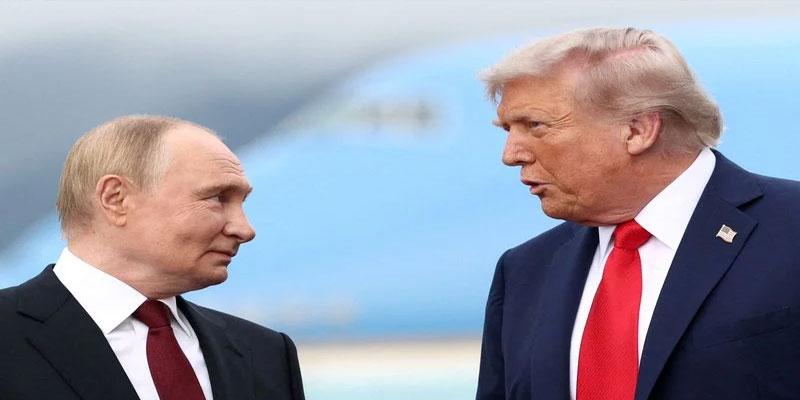
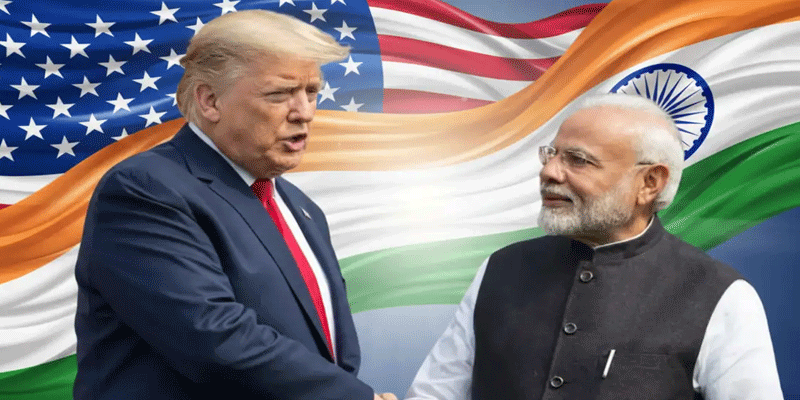
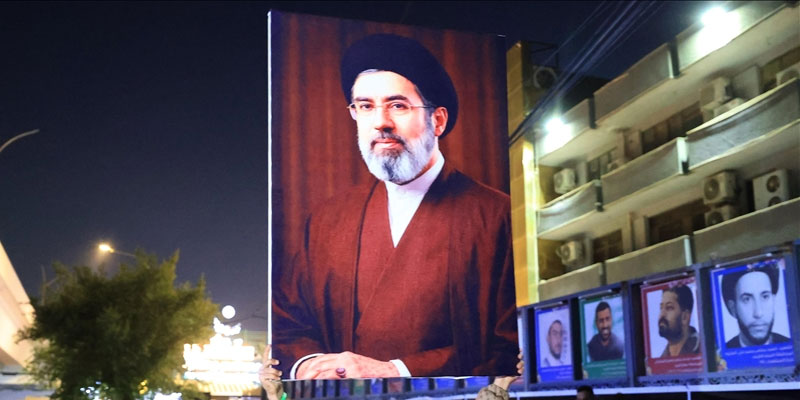
Days after U.S. President Donald Trump publicly questioned whether Iran’s new Supreme Leader Mojtaba Khamenei was even alive, Tehran moved to counter the narrative. On March 29, 2026, Iranian media reported a written message attributed to Mojtaba, thanking Iraq and its leadership for supporting Iran in its ongoing conflict with the United States and Israel. The timing and tone of the message appear calibrated to project authority and continuity, directly pushing back against Trump’s assertion: “We don’t know if he is living.”
Context of a Controversial Succession
The backdrop to this exchange is dramatic and unprecedented. Ali Khamenei, Iran’s Supreme Leader since 1989, was killed in a joint Israeli-American airstrike on February 28, 2026. Within days, the Assembly of Experts named his son Mojtaba as successor, marking a historic and controversial shift. Unlike previous leaders, Mojtaba lacked traditional clerical standing, and his elevation was widely seen as driven by the Islamic Revolutionary Guard Corps (IRGC). His absence from public view since the appointment—reportedly due to possible war-related injuries—has fueled speculation about his condition and authority.
The Message and Its Strategic Signaling
Mojtaba’s latest communication praised Iraq’s “clear stance against aggression,” highlighting support from influential figures such as Grand Ayatollah Ali Sistani and Iran-aligned militias targeting U.S. positions. Delivered indirectly following diplomatic engagements, the statement marks his third known written address since assuming power. Yet notably, no video, photograph, or audio accompanied the message. This continued reliance on text-only communication reinforces the opacity surrounding his health and whereabouts, even as Iran attempts to demonstrate leadership stability.
Trump’s Skepticism and Intelligence Undercurrents
Trump’s remarks on March 23 reflect more than rhetorical provocation. He revealed ongoing U.S. outreach to high-level Iranian intermediaries but emphasized the absence of any direct signal from Mojtaba himself. This aligns with intelligence assessments suggesting he may have been injured early in the conflict, with the IRGC potentially exercising de facto control. Such ambiguity feeds into a broader strategy of psychological pressure, questioning not just Mojtaba’s survival but the coherence of Iran’s command structure.
Is Iran Providing Sufficient Proof?
At the heart of the issue lies a credibility gap. While Tehran’s messaging seeks to affirm continuity, the lack of verifiable, independent evidence of Mojtaba’s condition weakens its claims. In modern geopolitical communication, written statements alone—especially in high-stakes wartime contexts—carry limited persuasive power. The absence of visual confirmation raises the possibility that the message serves more as a symbolic tool than proof of active leadership. Whether due to security concerns, internal power dynamics, or genuine incapacity, Iran’s communication strategy leaves room for doubt, which adversaries are quick to exploit.
Projection vs. Perception
Mojtaba Khamenei’s message underscores Iran’s determination to project resilience and unity amid crisis. However, projection alone cannot fully substitute for transparency. As long as tangible proof of his leadership remains absent, skepticism—both domestic and international—will persist. The unfolding narrative is not just about whether Mojtaba is alive, but whether he is truly in control. Until that question is convincingly answered, Iran’s strategic messaging will continue to face a credibility test in an increasingly volatile region.
(With agency inputs)