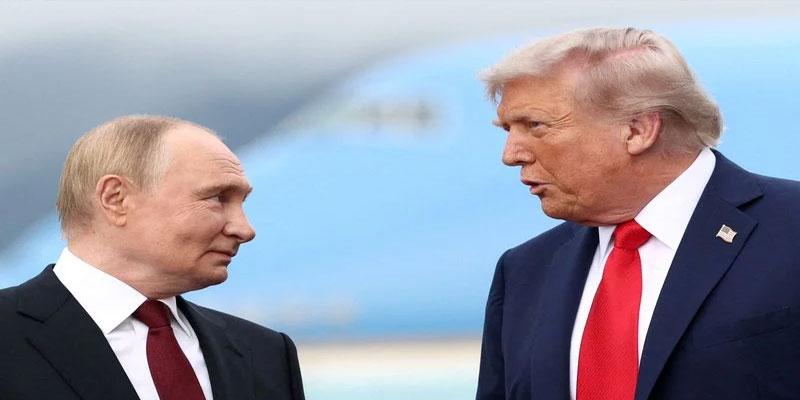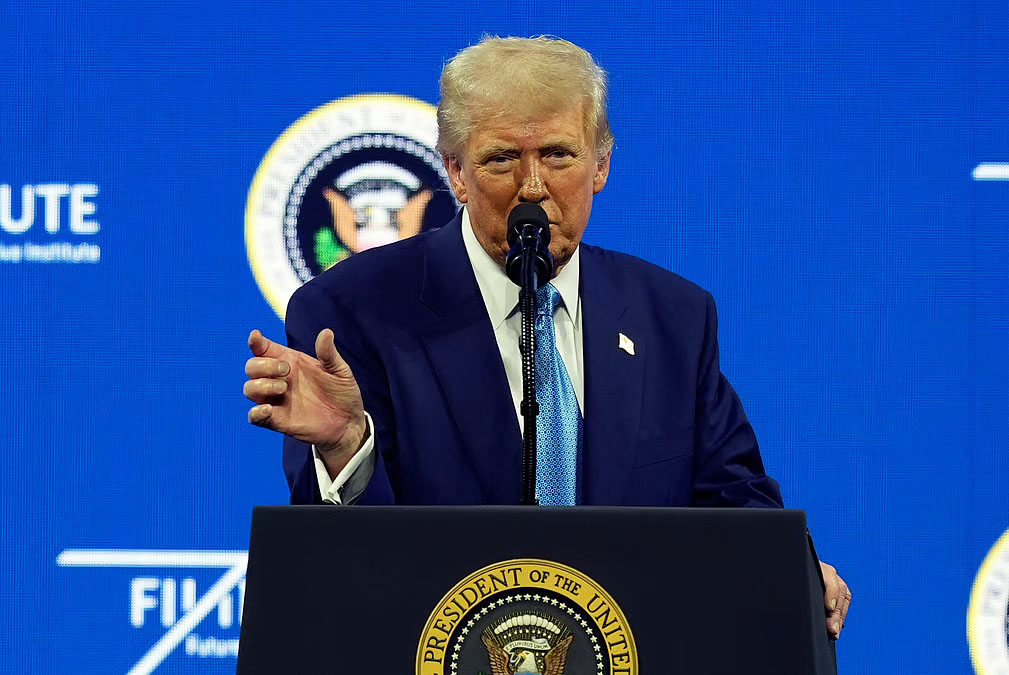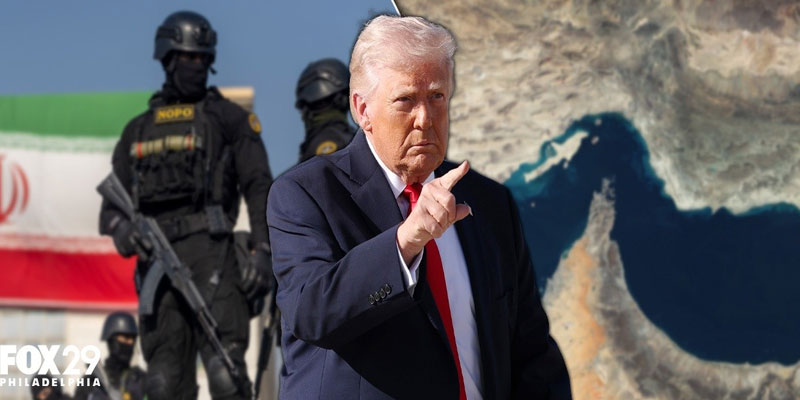
U.S. President Donald Trump has predicted a swift end to the war with Iran as Tehran reviews a new U.S.-backed peace proposal aimed at halting hostilities and reopening diplomatic channels. The proposal, currently under consideration by Iranian authorities, is being viewed as the most serious attempt yet to de-escalate the conflict, even though several core disagreements — including Iran’s nuclear programme and the future of the Strait of Hormuz — remain unresolved.
The mere prospect of a breakthrough has already had a dramatic impact on global markets. Oil prices fell sharply while stock markets rallied, reflecting investor optimism that a broader regional confrontation may be avoided.
What the U.S. Proposal Contains
According to reports from American and international media outlets, the proposed framework is a concise one-page, 14-point memorandum designed primarily to stop the fighting and create space for broader negotiations later.
The proposal reportedly includes:
· An immediate ceasefire and cessation of offensive military operations by all sides.
· A commitment to future negotiations on Iran’s nuclear enrichment programme and international monitoring mechanisms.
· A phased discussion on sanctions relief and the reopening of the Strait of Hormuz.
· A framework for follow-up talks covering Iran’s regional military posture and maritime security.
Importantly, the memo does not fully settle the most contentious issues. Instead, it postpones detailed negotiations on nuclear restrictions and regional security arrangements to a second stage.
This appears to be a deliberate strategy by Washington. Rather than forcing an all-encompassing settlement immediately, the U.S. is seeking a politically achievable first step — ending active conflict before attempting to resolve more technically and diplomatically difficult disputes.
Iran’s foreign ministry has confirmed that the proposal is under review. However, Iranian state-linked media have made it clear that Tehran is unlikely to accept any framework perceived as compromising its sovereign rights to peaceful nuclear development or limiting its strategic influence in Gulf waters.
Trump’s Calculated Optimism
Trump’s recent public statements reveal a careful balancing act between diplomacy and pressure. Just days ago, he had criticised earlier Iranian positions, saying Tehran had “not paid a big enough price” for its actions. Now, his rhetoric has shifted toward confidence and optimism, with repeated claims that Iran “wants to make a deal very much.”
This dual messaging serves multiple purposes. Internationally, it reassures allies and financial markets that Washington is actively pursuing de-escalation. Domestically, it allows Trump to project both strength and statesmanship — maintaining pressure on Iran while presenting himself as a leader capable of ending conflict without prolonged military engagement.
At the same time, the optimism remains conditional. The U.S. position still appears rooted in the expectation that Iran must eventually accept tighter scrutiny of its nuclear activities and restore confidence in maritime security around the Strait of Hormuz, one of the world’s most critical energy chokepoints.
Markets React to the Prospect of Peace
Financial markets responded immediately to reports of the proposal. Global crude prices, including Brent and WTI benchmarks, fell significantly as traders anticipated a possible reduction in geopolitical risk and the restoration of stable Gulf oil flows.
Equity markets also rallied, particularly in oil-importing economies that would benefit from lower energy prices and easing inflationary pressures.
However, analysts caution that markets are reacting to expectations rather than a final agreement. The current optimism rests on the assumption that the ceasefire framework will hold and lead to substantive negotiations. Any collapse in talks, renewed attacks or disruptions near Hormuz could quickly reverse the market gains.
A Fragile Opening for Diplomacy
The emerging U.S.-Iran peace proposal represents a potentially significant turning point, but not yet a definitive resolution. The framework offers a political off-ramp from escalating conflict while postponing the hardest strategic disagreements to future negotiations.
Whether this diplomatic opening succeeds will depend on both sides’ willingness to compromise beyond symbolic gestures. For now, the world is witnessing a rare moment where diplomacy, markets and geopolitical calculations are moving in the same direction. Yet the path to lasting peace remains fragile, uncertain and heavily dependent on what happens after the ceasefire headlines fade.
(With agency inputs)