Maharashtra Bids an Emotional Farewell to Its “Dada”
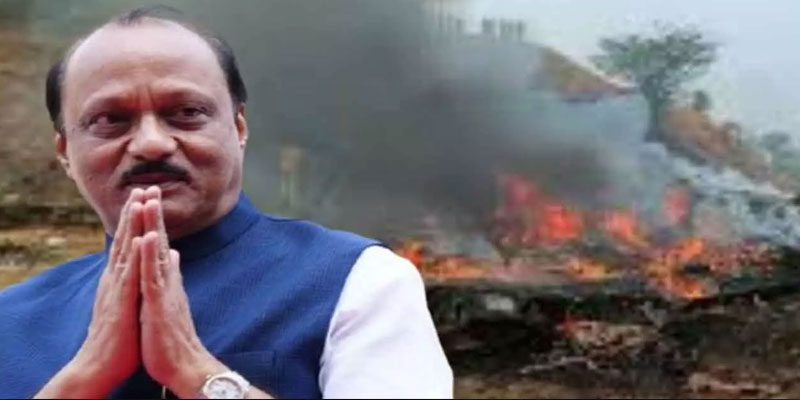
Maharashtra witnessed scenes of deep mourning as Deputy Chief Minister Ajit Pawar, affectionately known as “Dada,” was cremated with full state honours in his hometown of Baramati on January 29, 2026, following his tragic death in a plane crash a day earlier. Draped in the national flag and escorted with ceremonial honours, Pawar’s mortal remains were received by tens of thousands who gathered to pay their last respects. Emotional chants filled the air as family members performed the final rites in the presence of political leaders cutting across party lines, underscoring Pawar’s towering presence in state politics.
Ajit Pawar’s Political Journey and Legacy
Ajit Pawar’s political career spanned more than three decades, during which he emerged as one of Maharashtra’s most influential regional leaders. Representing Baramati and the cooperative-rich sugar belt, Pawar built a formidable grassroots network that translated into repeated electoral victories and administrative influence.
He held key portfolios, particularly in irrigation and finance, and played a decisive role in shaping rural infrastructure, cooperative institutions, and regional development strategies. Known for his blunt style and administrative efficiency, Pawar also developed a reputation as a political strategist capable of negotiating shifting alliances. His controversial 2023 split from the Sharad Pawar-led Nationalist Congress Party (NCP) reshaped the state’s political alignments and strengthened the ruling Mahayuti coalition.
Despite political controversies, his local connect and organizational control over cooperative institutions made him indispensable in western Maharashtra’s political ecosystem.
Impact of Ajit Pawar’s Death on Maharashtra Assembly Politics
Pawar’s sudden death introduces uncertainty into Maharashtra’s assembly politics, even though the ruling coalition retains a comfortable numerical majority.
Coalition Stability in the Short Term
The Mahayuti alliance, comprising the BJP, Shiv Sena faction led by Eknath Shinde, and Ajit Pawar’s NCP group, holds a strong majority in the 288-member assembly. Pawar’s faction, with 41 MLAs, had served as a balancing pillar within the alliance. In the immediate future, these legislators are unlikely to destabilize the government, as remaining within the ruling coalition ensures political and electoral security.
However, Pawar’s absence removes a critical mediator between factions and a powerful rural mobilizer who helped keep alliance tensions in check.
Leadership Vacuum Within NCP (Ajit Faction)
The biggest uncertainty lies within Pawar’s own political camp. No clear successor has emerged to command loyalty across the party’s legislators and cooperative networks.
Possible contenders include his son Parth Pawar and wife Sunetra Pawar, both seen as inheritors of the family’s political turf but lacking Ajit Pawar’s organizational command. Senior leaders like Chhagan Bhujbal may seek greater influence, though factional rivalries could complicate consolidation.
The leadership vacuum risks internal fragmentation, with some MLAs potentially exploring reconciliation with Sharad Pawar’s faction or negotiating independent arrangements.
Regional and Policy Implications
Pawar’s political strength lay in western Maharashtra’s cooperative sector and rural governance institutions. His absence could weaken the ruling coalition’s hold in these areas, especially with upcoming local body elections. Opposition parties may attempt to exploit the transition period to regain ground.
Legacy Endures, Politics Enters Transition
Ajit Pawar’s death marks the end of a defining chapter in Maharashtra politics. While his political legacy and family influence may continue, the absence of his leadership creates a phase of recalibration within both his party faction and the ruling coalition. Maharashtra’s political order will likely remain stable in the immediate future, but succession struggles and shifting loyalties could reshape alliances over time. How effectively leaders manage this transition will determine whether Pawar’s political empire endures or gradually disperses in the changing currents of state politics.
(With agency inputs)