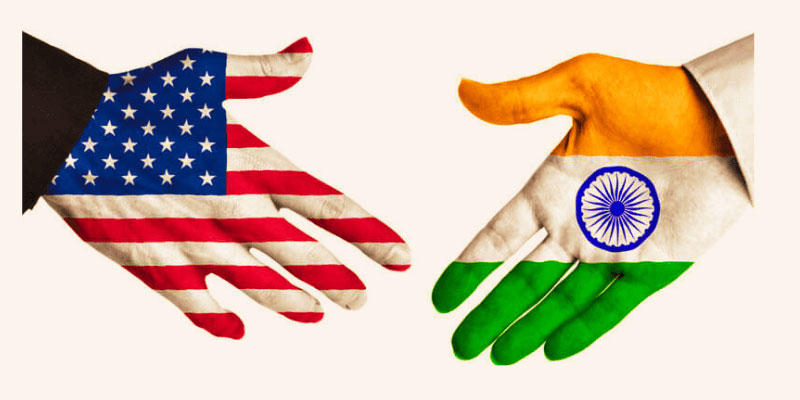
The evolving India–US partnership is entering a decisive phase, where commercial diplomacy, private-sector investment and institutional collaboration could become as important as traditional strategic engagement. US Secretary of State Marco Rubio's reported visit to India highlights this emerging shift.
During a Washington DC podcast conversation, Danica R. Starks, CEO of Morning Star Global Enterprises, emphasised the significance of Mumbai as a centre of commercial diplomacy. Her experience across international economic policy offers valuable insights into strengthening bilateral cooperation.
Starks highlighted a fundamental reality: governments negotiate agreements, but businesses determine their commercial success. Without private-sector participation, investment commitments and effective implementation, even ambitious diplomatic partnerships risk remaining largely symbolic.
Multilateral development banks can play a catalytic role by mobilising capital, reducing investment risks and supporting infrastructure development. India's expanding technology capabilities, manufacturing ambitions and digital economy offer substantial opportunities for American businesses.
Primus Partners sees this convergence of policy, commerce and international cooperation as an opportunity to connect both markets, facilitate strategic partnerships and translate diplomatic commitments into measurable business outcomes.
The larger message is clear: India and America must move beyond their shared democratic identity to leverage their combined strengths as major open markets and innovation hubs. Stronger commercial narratives, institutional trust and private-sector leadership will determine the partnership's future.