A Troubling Night in Santa Clara
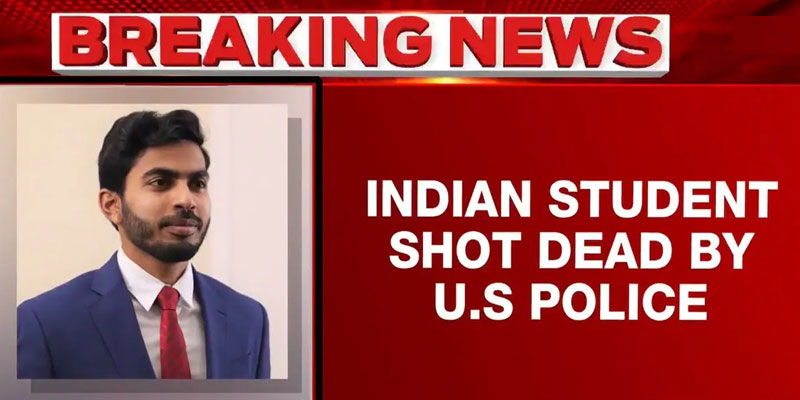
In early September, a tragic incident in Santa Clara, California, claimed the life of 30-year-old Indian software engineer Mohammed Nizamuddin from Telangana. Police officers opened fire inside his residence after responding to an emergency call about a violent altercation. According to official reports, Nizamuddin allegedly stabbed his roommate and was holding a knife when officers confronted him. The roommate survived with multiple injuries and is currently under treatment at a local hospital.
Nizamuddin’s family, however, contests the police version. They insist he was the one who dialed 911 seeking help, only to end up shot by those meant to protect him. Their allegations of racial bias have now added a layer of controversy to the case, drawing the attention of Indian authorities.
Police Account of Events
Santa Clara Police Chief Cory Morgan defended his officers’ actions, explaining that the situation was volatile and life-threatening. Responding officers reportedly saw Nizamuddin restraining his injured roommate while wielding a knife, which they believed posed an imminent danger. Two knives were recovered from the scene.
The police statement asserted the intervention was necessary to prevent further harm. “The actions of the officers saved at least one life,” Morgan noted. A joint probe is underway by the Santa Clara Police Department and the Santa Clara County District Attorney’s Office.
Family’s Counter-Narrative
Back home in Mahbubnagar, Nizamuddin’s family paints a different picture. They describe him as an academically driven, soft-spoken individual who pursued a Master’s degree in Computer Science in Florida before securing a job in California’s tech sector.
His relatives highlight that he had previously spoken out against workplace exploitation and racial discrimination. In a LinkedIn post, Nizamuddin accused his employers and others of harassment, wrongful termination, and what he termed “white supremacist attitudes.” He wrote of enduring intimidation, surveillance, and even alleged poisoning attempts. These claims, his family argues, suggest he was vulnerable and possibly targeted before his fatal encounter with law enforcement.
Echoes of Past Incidents
This is not the first time Indian nationals in the US have faced violent confrontations with police or racially charged attacks. In 2017, the killing of engineer Srinivas Kuchibhotla in Kansas by a gunman who mistook him for Middle Eastern sparked global outrage. Similarly, cases of police shootings involving minorities—including immigrants—have fueled debates over systemic bias and excessive use of force in America.
For Indian communities abroad, such episodes heighten concerns about safety, racial profiling, and the fairness of legal processes when tragedies occur.
Calls for Diplomatic Intervention
The family has appealed to India’s Ministry of External Affairs (MEA) to ensure a transparent investigation and assist in repatriating Nizamuddin’s remains. Political representatives such as Amjed Ullah Khan of the Majlis Bachao Tehreek have already urged External Affairs Minister S. Jaishankar to take up the matter with the Indian Embassy in Washington and the Consulate in San Francisco. At the time of reporting, the MEA had not issued a statement.
A Need for Accountability and Sensitivity
The death of Mohammed Nizamuddin underscores the delicate balance between swift policing and safeguarding human rights. While officers argue they acted to protect lives, unanswered questions about whether Nizamuddin was seeking help, and his claims of prior harassment, demand a thorough, impartial inquiry.
Ultimately, such tragedies highlight the urgent need for stronger cultural sensitivity in policing, transparent investigations, and diplomatic vigilance to protect the interests of Indian nationals abroad. For Nizamuddin’s family, justice lies not only in repatriating his remains but also in ensuring that his story is neither dismissed nor forgotten.
(With agency inputs