Iran Sends New ‘End-War’ Proposal Through Pakistan
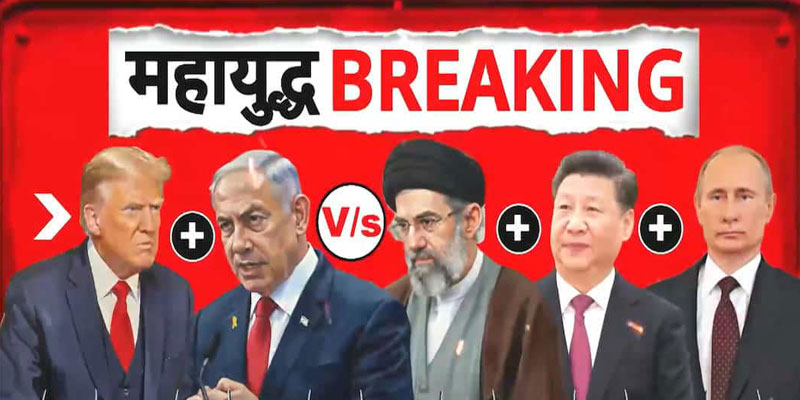
Iran has reportedly submitted a detailed 14-point proposal aimed at ending the ongoing Middle-East conflict through diplomatic channels facilitated by Pakistan. The initiative marks one of the most structured attempts so far to transform months of military escalation into a negotiated political settlement involving Iran, the United States and Israel.
The proposal comes after repeated cycles of US-Israeli strikes on Iranian-linked targets, retaliatory attacks by Tehran and proxy groups, and several fragile ceasefires that failed to produce lasting stability. Pakistan, which has increasingly positioned itself as a neutral intermediary between Washington and Tehran, reportedly transmitted the framework as part of renewed backchannel diplomacy.
From Escalation to Diplomatic Reopening
The present conflict intensified earlier in 2026 after coordinated US and Israeli strikes targeted Iranian missile, drone and military infrastructure. Iran responded through regional proxy networks and direct missile and drone attacks, pushing the Gulf region toward one of its most dangerous military confrontations in years.
Subsequent ceasefire efforts temporarily reduced hostilities, but deep mistrust persisted. The United States reportedly supported a nine-point framework focused mainly on a short-term truce lasting around two months. Iranian officials viewed that proposal as inadequate because it did not address sanctions, military deployments or long-term regional security guarantees.
Against this backdrop, Tehran drafted its own 14-point counterproposal intended to address what it considers the root causes of the conflict.
What Iran’s Fourteen-Point Plan Seeks
According to reports from Iranian state-linked media, the proposal calls for resolving core disputes within a 30-day framework. One of its primary demands is a binding guarantee that the US and Israel refrain from launching future military attacks on Iran and allied regional groups.
The proposal also seeks withdrawal or reduction of US-led military presence near Iranian borders and an end to naval restrictions affecting Iranian ports and trade routes. Tehran is further demanding broad sanctions relief, the release of frozen Iranian assets held overseas and compensation for war-related infrastructure and economic damage.
A major component concerns the Strait of Hormuz, one of the world’s most strategically important oil corridors. Iran reportedly wants a revised security mechanism restoring fuller Iranian supervision of the waterway while promising not to obstruct global shipping once a settlement is implemented.
The framework also reportedly includes reciprocal commitments to halt attacks involving proxy groups across Lebanon, Gaza and other regional theatres.
Pakistan’s Mediating Role and Global Implications
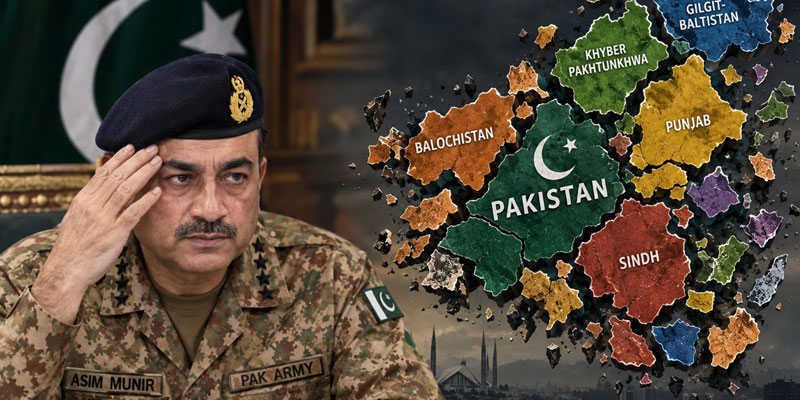
Pakistan’s involvement has emerged as diplomatically important because Islamabad maintains working relationships with both Tehran and Washington. Pakistani officials have indicated that the proposal is now under review and that critical responses may emerge within days.
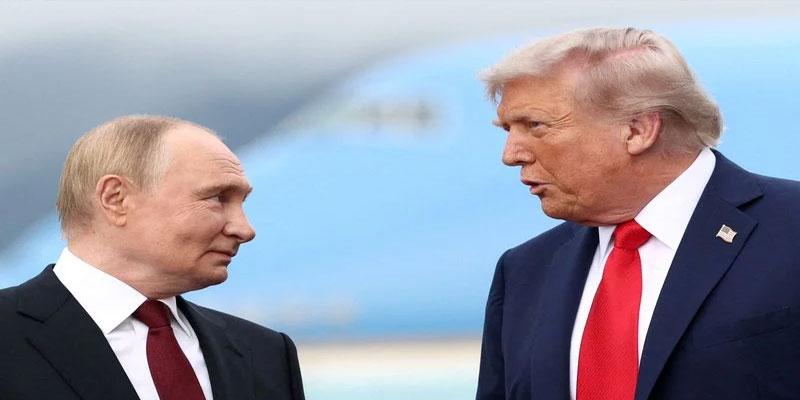
The proposal’s success, however, depends largely on whether the US and Israel are willing to consider major sanctions relief and security guarantees. With Donald Trump maintaining a hardline stance toward Iran, negotiations remain politically delicate.
Global markets are also closely watching the diplomatic process because any agreement affecting the Strait of Hormuz could stabilise oil prices and reduce fears of prolonged supply disruptions.
Diplomacy Faces Its Defining Test
Iran’s 14-point proposal represents more than another ceasefire offer; it is an attempt to redefine the political architecture of Gulf security after months of warfare and instability. By combining military de-escalation, sanctions relief and regional security arrangements into a single framework, Tehran is signalling readiness for a broader diplomatic reset.
Whether the initiative succeeds will depend on mutual compromise and phased implementation. If negotiations progress, the proposal could become the foundation for a more stable Gulf order. If rejected, the region may once again slide toward prolonged confrontation with global economic consequences.
(With agency inputs)