Iran’s Dangerous Bounty Politics Deepens Global Tensions
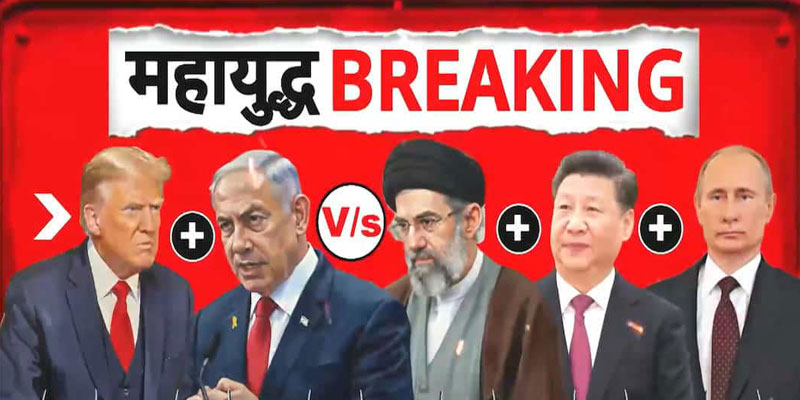
Reports that Iran may formally approve a €50 million (roughly $58 million) bounty for the assassination of U.S. President Donald Trump, Israeli Prime Minister Benjamin Netanyahu, and CENTCOM commander Admiral Brad Cooper mark a disturbing new phase in Middle East escalation. The proposed legislation, reportedly moving through Iran’s parliamentary National Security and Foreign Policy Committee, emerges after the February 28, 2026 strike on Tehran that allegedly killed Supreme Leader Ali Khamenei. If enacted, the bill would transform retaliatory rhetoric into an unprecedented state-backed assassination incentive targeting sitting world leaders and senior military officials.
What the Proposed Bill Seeks to Do
The draft legislation, described as “Counter-Action by the Military and Security Forces of the Islamic Republic,” reportedly promises a financial reward to any individual or organization responsible for killing Trump, Netanyahu, or the top U.S. Central Command official. Iranian lawmakers advancing the proposal argue it is a direct “counter-measure” for Khamenei’s death and the killing of other senior Iranian figures.
The proposal represents more than symbolic outrage. By institutionalizing a bounty through parliament, Iran would blur the distinction between sovereign retaliation and incentivized extrajudicial violence. Rather than relying solely on military deterrence or covert retaliation, the state would effectively endorse targeted political assassination as an acceptable instrument of national policy.
The Background Behind the Escalation
The proposal is rooted in Tehran’s assertion that the strike killing Khamenei was orchestrated or approved by both the United States and Israel, with CENTCOM playing an operational role. Iranian officials have repeatedly labeled Trump and Netanyahu as “war criminals” and framed retaliation as both a strategic necessity and a moral obligation.
This rhetoric also reflects broader geopolitical tensions that have intensified over years of proxy conflict, cyber warfare, sanctions, and covert operations across the region. Since the killing of Iranian General Qasem Soleimani in 2020, Iranian political discourse has increasingly embraced personalized retaliation against American and Israeli leaders. The current proposal appears to be the most direct and institutionalized version of that approach yet.
At the same time, the measure serves domestic political purposes. It reinforces the image of Iran’s Revolutionary Guards as defenders of national sovereignty while channeling public anger following Khamenei’s reported assassination. For hardline factions, the bill projects strength at a moment of internal uncertainty and external confrontation.
Global Risks and Strategic Consequences
The implications of such legislation extend far beyond rhetoric. A state-endorsed assassination bounty against serving leaders risks triggering severe diplomatic and military consequences. Washington and its allies could interpret the move as direct incitement to terrorism, potentially justifying expanded sanctions, cyber operations, or military retaliation.
The proposal also threatens to erode long-standing international norms against political assassination. Even during periods of intense rivalry, states have generally avoided openly placing financial rewards on foreign heads of government. If normalized, such actions could encourage copycat tactics by other states or non-state actors, deepening instability in an already volatile international system.
A Dangerous New Phase in Global Confrontation
Whether the bill ultimately passes or remains political theater, its symbolism is deeply consequential. Iran’s reported bounty proposal reflects a dangerous evolution in modern geopolitical confrontation — one where vengeance, deterrence, and propaganda increasingly overlap. In elevating assassination incentives into the realm of formal policy discussion, Tehran risks intensifying regional instability, hardening global divisions, and undermining fragile norms that have historically restrained direct political violence between states.
(With agency inputs)