A Long-Awaited Trip
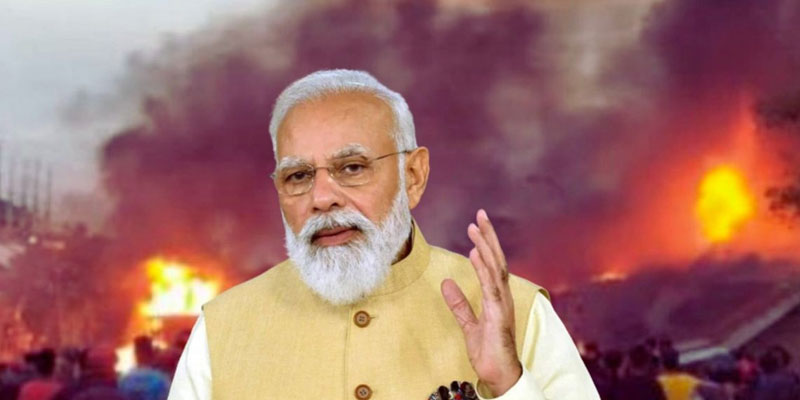
Prime Minister Narendra Modi is set to visit Manipur on September 13, marking his first appearance in the state since the outbreak of ethnic violence in May 2023. The clashes between the Kuki and Meitei communities left more than 260 people dead and displaced thousands, plunging the state into one of its deepest crises in recent history. The Prime Minister’s absence from Manipur had become a recurring point of criticism from the Opposition, which accused him of neglecting the state during its most turbulent times. His upcoming trip, therefore, is seen not only as a development initiative but also as a political response to those criticisms.
Projects Worth ₹8,500 Crore
The Manipur government announced that Modi will unveil development projects totalling ₹8,500 crore. Of this, ₹7,300 crore worth of foundation stone-laying ceremonies will take place at Peace Ground in Churachandpur, a predominantly Kuki area. Later in the day, Modi will inaugurate projects worth ₹1,200 crore in Imphal, the Meitei-majority capital. The initiatives include infrastructure upgrades, connectivity projects, and social welfare schemes aimed at boosting both economic growth and social stability. Officials described the visit as a reaffirmation of Modi’s commitment to “inclusive, sustainable, and holistic development.”
Symbolism in the Itinerary
The choice of venues for the Prime Minister’s engagements is symbolic. By beginning his programme in Churachandpur before heading to Imphal, Modi is signaling an outreach to both communities locked in conflict. His schedule also includes meetings with internally displaced families, a gesture designed to convey empathy and acknowledgment of the hardships suffered by ordinary people caught in the violence.
Political Reactions and Criticism
Despite the scale of investments, political opponents remain skeptical. Congress leaders have dismissed the visit as “too little, too late,” with Manipur Congress president Keisham Meghachandra calling it “merely symbolic.” The Opposition had earlier moved a no-confidence motion in Parliament in August 2023, criticizing the Prime Minister for failing to physically visit Manipur during the height of the crisis. While the motion failed, the debate highlighted the persistent political divide over the government’s handling of the situation.
At the same time, Leader of Opposition Rahul Gandhi welcomed Modi’s decision to finally travel to Manipur, noting that the unrest had gone on for too long. His comments suggested a recognition that while the timing may be debated, the visit could still serve as a starting point for reconciliation and recovery.
Security and Public Preparations
Given the sensitivity of the situation, security measures have been tightened in both Churachandpur and Imphal. Authorities have issued advisories barring attendees from carrying everyday items such as pens, keys, and even handkerchiefs into the event venues. Children under 12 and individuals with health conditions have been discouraged from attending. In Churachandpur, the government has also banned air guns ahead of the Prime Minister’s arrival. These steps underscore the fragile peace that still prevails in the region.
Development as a Path to Peace
The visit is framed by the government as a twin effort: to restore normalcy and to set Manipur on a developmental trajectory. By placing a strong emphasis on infrastructure and welfare projects, the Centre hopes to demonstrate that peace dividends can be tangible. The projects also align with broader national strategies to strengthen connectivity and economic activity in the Northeast, a region often marginalized in national discourse.
A Critical Moment for Healing
Prime Minister Modi’s Manipur trip carries weight far beyond the ₹8,500 crore worth of projects. For many, it is an overdue acknowledgment of the suffering endured by the people of Manipur since 2023. For others, it is a test of whether development can act as a bridge between fractured communities.
Restoring peace in Manipur will require more than ceremonies and financial packages—it will demand trust-building, dialogue, and consistent attention from the highest levels of leadership. Modi’s visit could mark the beginning of that process, provided it is followed by sustained engagement rather than symbolic gestures alone. In a state still bearing scars of conflict, the challenge now is to transform promises of development into a durable foundation for reconciliation and stability.
(With agency inputs)