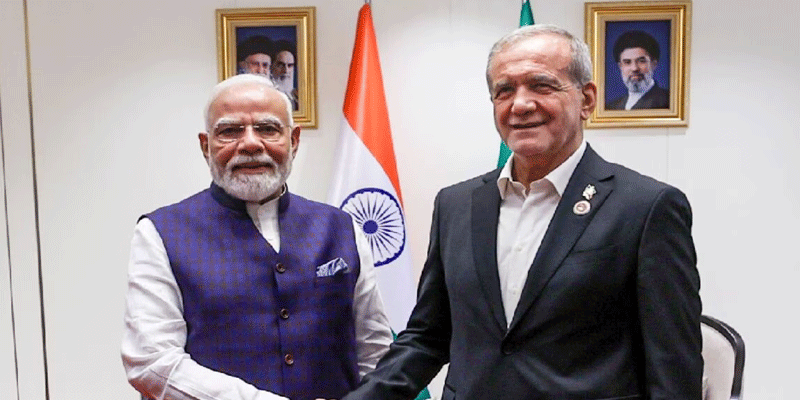
A Meeting Under the Shadow of Washington
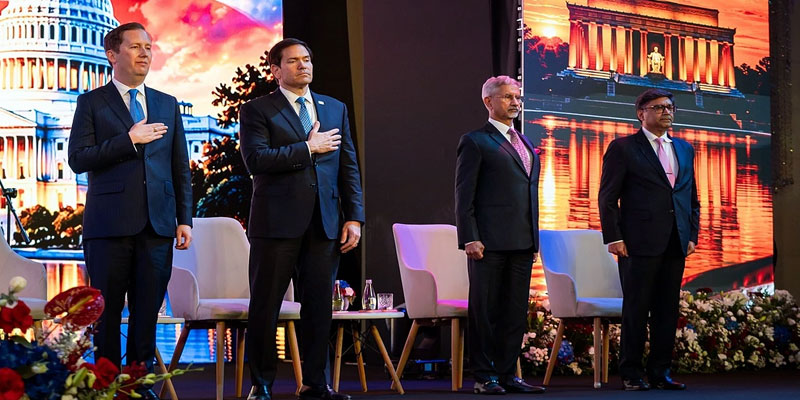
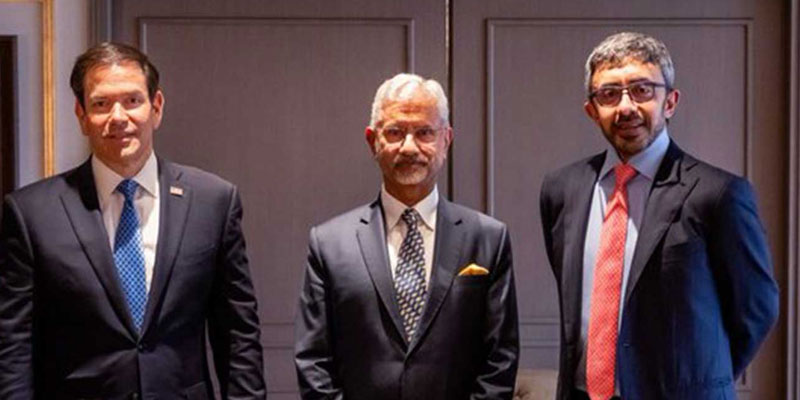
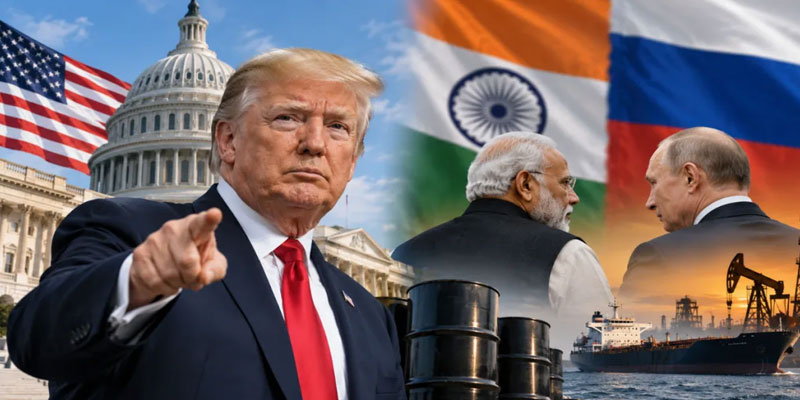
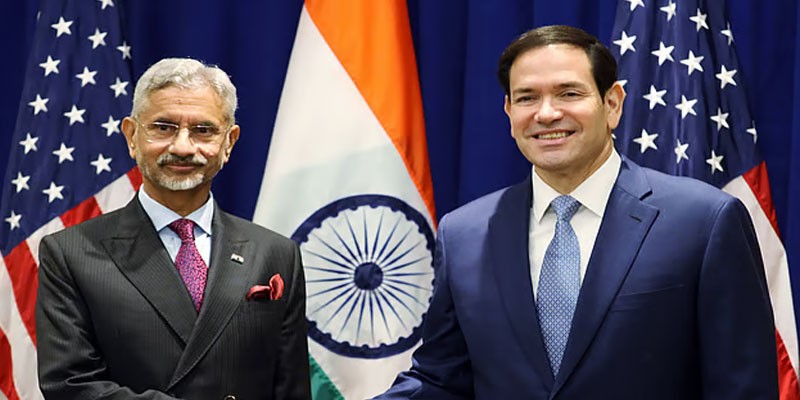
“Don’t think India, Iran are making a deal,” US Secretary of State Marco Rubio has said, seeking to downplay speculation following Prime Minister Narendra Modi’s meeting with Iranian President Masoud Pezeshkian on the sidelines of the 26th Shanghai Cooperation Organisation (SCO) Summit in Bishkek. The August 31 encounter comes at a particularly sensitive moment, with Washington tightening economic pressure on Tehran while India seeks to preserve its strategic and economic engagement with Iran.
What Modi and Pezeshkian Discussed
The meeting focused on strengthening long-standing India-Iran ties and expanding cooperation across multiple areas. Modi said India wanted to “expand and diversify” its trade basket with Iran, signalling an interest in widening economic engagement rather than limiting bilateral commerce to a narrow range of commodities.
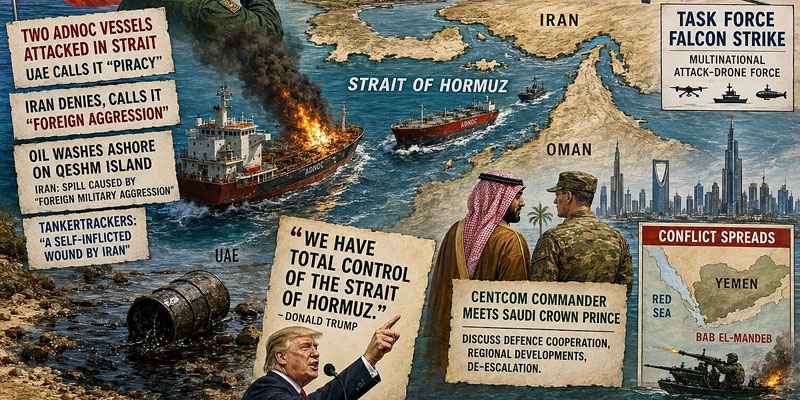
The two leaders also discussed the rapidly changing situation in West Asia. Modi reiterated India’s position that conflicts must be resolved through dialogue and diplomacy, while stressing the importance of protecting civilians, commercial shipping and freedom of navigation. India also reaffirmed its willingness to cooperate with Iran through multilateral platforms including the SCO and BRICS.
Why Iran Matters to India
India’s relationship with Iran extends beyond conventional trade. Tehran provides India with an important geographical gateway towards Central Asia and Afghanistan, particularly through the Chabahar port. The corridor is strategically valuable because it offers India an alternative route for regional connectivity that does not depend entirely on Pakistan.
Energy security is another consideration. Iran remains an important regional energy player, even though US sanctions have complicated India’s ability to conduct unrestricted commercial transactions with Tehran. Consequently, New Delhi has sought to maintain engagement without directly challenging Washington’s sanctions regime.
Rubio’s Warning Changes the Equation
Rubio’s remarks therefore carry significance beyond his denial of an India-Iran trade deal. He warned that countries helping Tehran evade US sanctions or creating mechanisms enabling Iran to generate revenue could themselves face American penalties.
The warning comes after Washington intensified economic pressure on Iran and recently sanctioned India-based entities linked to Iranian oil and petrochemical trade. This creates a difficult environment for Indian businesses and financial institutions that may want to expand commerce with Tehran.
At the same time, Rubio’s acknowledgement that countries develop their own foreign policies suggests Washington recognises that India will continue maintaining independent diplomatic relationships—even with countries the US considers adversaries.
India’s Strategic Autonomy Under Pressure
New Delhi’s challenge is therefore to preserve strategic autonomy without triggering avoidable sanctions exposure. India has strong reasons to keep channels open with Tehran, particularly as the West Asian conflict threatens energy supplies, maritime commerce and regional connectivity.
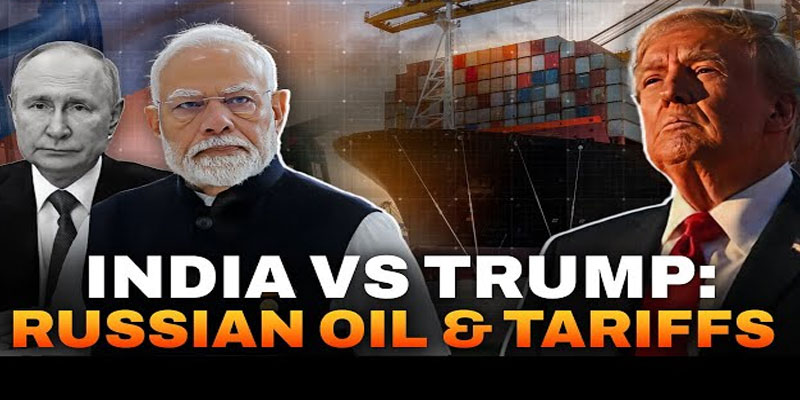
The timing of Modi’s meeting is especially important because India is simultaneously deepening ties with the United States while maintaining relationships with Russia, Iran and other non-Western partners. The Bishkek engagement demonstrates that India does not intend to abandon longstanding relationships simply because geopolitical alignments are becoming more polarised.
The Balancing Act Will Define India’s Choices
There is currently no official confirmation of a comprehensive India-Iran trade agreement emerging from the Bishkek meeting. What exists is a clear political signal that New Delhi wants broader economic engagement, while Washington has made equally clear that sanctions compliance will remain a red line.
The real test for India will be managing this space carefully: protecting its strategic interests, expanding connectivity and trade, and maintaining diplomatic independence without allowing economic engagement with Iran to become a trigger for confrontation with Washington. In an increasingly fragmented world order, that delicate balance may prove as important as the agreements India ultimately signs.
(With agency inputs)