From Chandpur’s Launch Pads to a Student Rocket
Growing up near Chandipur in Balasore, Sanghapriya was surrounded by the technological ecosystem of the DRDO’s Integrated Test Range, where missiles and sounding rockets are regularly tested. The sight of launches sparked an early interest in electronics and space technology. By the age of six, he had built a radio, while his teenage years were increasingly shaped by the dream of building and launching a rocket.
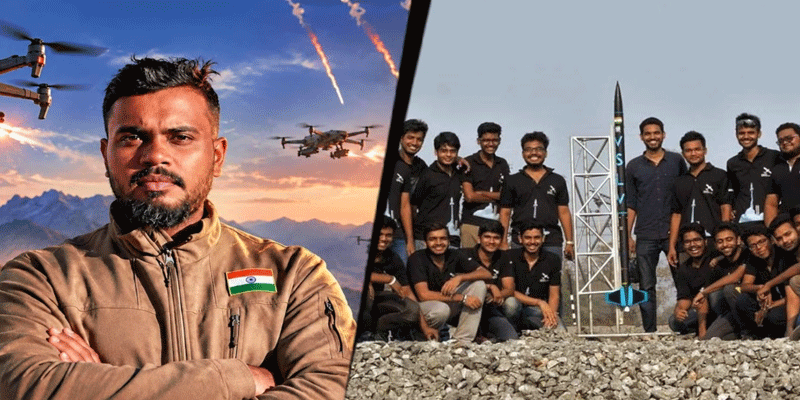
As a B.Tech student at Veer Surendra Sai University of Technology (VSSUT), Burla, he and fellow students transformed that ambition into a practical project. Working without a dedicated rocket laboratory or conventional launch infrastructure, the team used improvised facilities and discarded components to develop what they described as “Asia’s first multipurpose student rocket.”
The project attracted national attention when Prime Minister Narendra Modi mentioned it on Mann Ki Baat in 2014. ISRO subsequently sent a team to study the student initiative, eventually contributing to the establishment of an ISRO–VSSUT Space Innovation Centre on the campus.
From Student Experiment to Defence Enterprise
After graduating in 2018, Sanghapriya co-founded IG Drones with fellow students. The company initially concentrated on civilian and industrial applications, including:
· Mapping and surveying
· Pipeline monitoring
· Infrastructure inspection
· Data collection and analysis
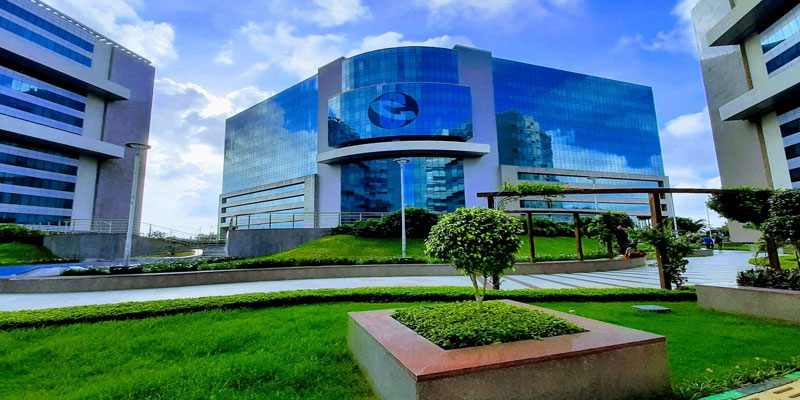
The founders gradually recognised that the same capabilities could address military requirements. The company subsequently expanded into defence technologies and was rebranded as IG Defence, developing unmanned aerial systems and autonomous platforms.
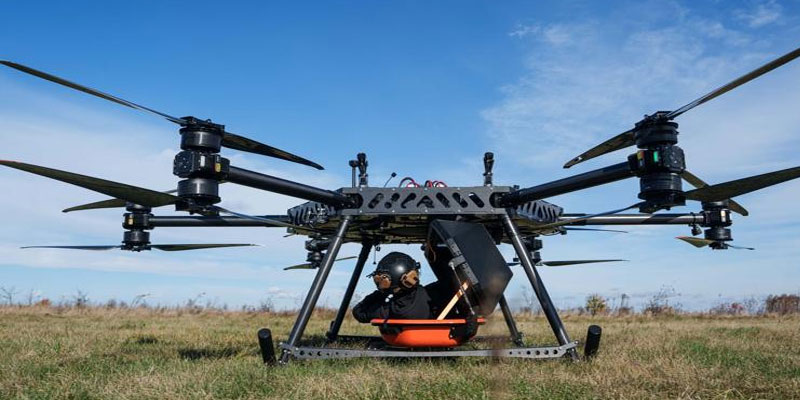
Its portfolio now includes AI-enabled drones, counter-UAS systems, autonomous strike platforms and tactical and strategic unmanned systems. Its JAGA vertical-take-off-and-landing UAV has been procured by the Ministry of Defence for surveillance applications, offering runway-independent operations and multiple sensor payload options.
Drones and the Operational Test
Sanghapriya has said that IG Defence systems were deployed during Operation Sindoor, including kamikaze or loitering-munition drones. He has also said the company was among four Indian drone firms acknowledged by the government for their contribution.
According to the company, its systems supported terrain mapping, real-time data gathering and target identification in difficult and inaccessible areas. These applications highlight the growing role of indigenous unmanned systems in modern military operations.
Building a ₹10,000-Crore Defence Pipeline
In June 2026, IG Defence announced an ambition to build a ₹10,000-crore defence order pipeline by FY30, targeting the Indian Armed Forces, homeland-security agencies and international markets.
With more than 200 employees and over 500 completed projects reported by 2024, the company is seeking to move from drone services into sophisticated defence manufacturing and technology.
From Curiosity to Strategic Capability
Sanghapriya’s story illustrates how exposure to India’s space programme, student innovation and entrepreneurship can converge into defence technology. His journey from building a radio as a child to developing military drones also reflects the expanding space for Indian startups in indigenous defence innovation. The ₹10,000-crore target remains an ambition, but the trajectory demonstrates how a student experiment born near Chandipur has evolved into a company pursuing a much larger role in India’s defence ecosystem.
(With agency inputs)